
What is the Best Time to Visit Mabamba Swamp?
What is the Best Time to Visit Mabamba Swamp? A Complete Guide for Birdwatchers and Nature Lovers
What is the Best Time to Visit Mabamba Swamp? Mabamba swamp is Nestled along the northern shores of Lake Victoria, Mabamba Swamp is one of Uganda’s most remarkable birding destinations. Located approximately 50 kilometers west of Entebbe, this vast wetland ecosystem has gained international recognition as one of the best places in Africa to spot the elusive Shoebill Stork. The swamp’s extensive papyrus channels, tranquil waterways, and incredible biodiversity make it a must-visit destination for birdwatchers, photographers, and nature enthusiasts.
While Mabamba Swamp can be visited throughout the year, choosing the right season and time of day can significantly enhance your experience. Understanding the weather patterns, bird movements, and seasonal conditions will help you plan a rewarding excursion to this unique wetland sanctuary.
Understanding Mabamba’s Climate
Uganda’s equatorial climate means that Mabamba Swamp experiences relatively stable temperatures throughout the year. Daytime temperatures typically range between 24°C and 30°C, creating pleasant conditions for outdoor exploration regardless of the season.
The region experiences two main dry seasons and two rainy seasons annually. The dry seasons occur from June to August and from December to February, while the rainy seasons generally fall between March and May and between September and November.
Although the wetland remains accessible throughout the year, weather conditions can influence visibility, navigation, and wildlife viewing opportunities.
The Dry Season: The Ideal Time to Visit
The dry seasons are widely regarded as the best times to explore Mabamba Swamp. During these months, rainfall is minimal, skies are often clearer, and canoe excursions are more comfortable.
From June to August, visitors enjoy some of the most favorable birding conditions of the year. The vegetation around the swamp is less dense, making it easier to spot birds and other wildlife hidden among the papyrus reeds. The reduced rainfall also means fewer disruptions during excursions, allowing visitors to spend more time searching for the famous Shoebill.
The second dry season, from December to February, offers equally rewarding experiences. During this period, many migratory bird species from Europe and Asia are present, adding even greater diversity to the already impressive bird list. Birdwatchers often record over 300 species in and around the swamp during these months.
For photographers, the dry seasons provide clearer skies, better lighting conditions, and calmer waters that create beautiful reflections, making it easier to capture memorable images.
Visiting During the Wet Season
Although many travelers prefer the dry months, the rainy seasons also have their advantages. The wetland becomes lush and vibrant, with flourishing vegetation and abundant wildlife activity.
Rain showers are often brief rather than continuous, meaning that many excursions can still proceed as planned. The wet season also attracts breeding birds displaying colorful plumage and engaging in fascinating courtship behaviors.
Visitors during the rainy months may encounter fewer tourists, allowing for a more intimate and peaceful experience on the water. The swamp’s dramatic scenery, enhanced by fresh greenery and dramatic cloud formations, can create exceptional photography opportunities.
Those planning a wet-season visit should simply be prepared with waterproof clothing and flexible schedules.
Why Early Morning Is Best
Regardless of the season, the most productive time to visit Mabamba Swamp is early in the morning.
Most canoe tours begin shortly after sunrise, typically between 7:00 AM and 8:00 AM. During these hours, bird activity is at its peak. Many species emerge from their roosting sites to feed, creating excellent viewing opportunities.
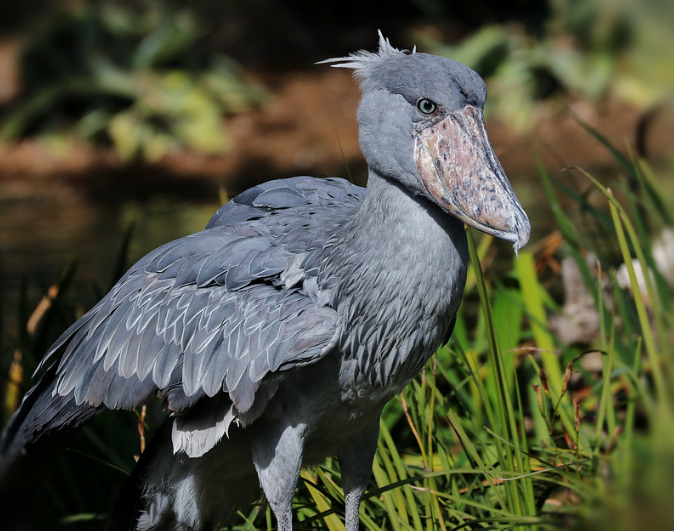
The Shoebill, Mabamba’s most sought-after resident, is often most active during the early morning. Visitors have the best chance of observing this prehistoric-looking bird standing motionless in shallow water or stalking fish through the papyrus channels.
Morning conditions also offer cooler temperatures and softer lighting, enhancing both comfort and photography.
By midday, temperatures rise significantly, and many birds become less active, making wildlife sightings less frequent.
The Shoebill Experience
For many travelers, a visit to Mabamba revolves around one goal: seeing the Shoebill.
This extraordinary bird is among the rarest and most iconic species in Africa. Standing over four feet tall with a massive shoe-shaped bill, the Shoebill appears almost prehistoric. Its unique appearance and mysterious behavior have made it one of the continent’s most coveted birding sightings.
Mabamba Swamp is considered one of the most reliable places in Uganda to encounter a Shoebill. Local guides possess extensive knowledge of the bird’s preferred feeding areas and movements within the wetland.
Although sightings can never be guaranteed, success rates are exceptionally high, especially during morning excursions in the dry season.
Many visitors report unforgettable moments watching a Shoebill patiently hunting lungfish or taking flight across the swamp’s vast expanse.
Other Wildlife to Expect
While the Shoebill often steals the spotlight, Mabamba offers far more than a single species.
The swamp supports an impressive variety of birds, including African Jacanas, Malachite Kingfishers, Purple Herons, Goliath Herons, Long-toed Lapwings, Blue-breasted Bee-eaters, African Fish Eagles, and numerous species of weavers and warblers.
Migratory species from Europe and Asia also arrive seasonally, enriching the diversity of the wetland.
Beyond birds, visitors may encounter monitor lizards, otters, butterflies, and various fish species. The surrounding communities also provide opportunities to learn about traditional fishing practices and local conservation efforts.
Photography Opportunities Throughout the Year
Mabamba Swamp is a paradise for wildlife photographers.
The early morning hours offer the best natural light, with golden sunlight illuminating the papyrus channels and creating stunning reflections on the calm water. Bird photographers especially appreciate the opportunity to capture close-up images of Shoebills and kingfishers in their natural habitat.
The wet season offers dramatic landscapes and vivid green vegetation, while the dry season provides clearer backgrounds and easier visibility of wildlife.
A camera with a zoom lens is highly recommended, although many visitors are surprised by how close the canoe can approach certain bird species.
Combining Mabamba with Other Uganda Experiences
One of Mabamba’s greatest advantages is its convenient location near Entebbe International Airport.
Many travelers choose to visit the swamp immediately after arriving in Uganda or on their final day before departure. A half-day excursion can easily fit into most safari itineraries.
Mabamba also serves as an excellent introduction to Uganda’s incredible biodiversity before continuing to destinations such as Bwindi Impenetrable National Park, Murchison Falls National Park, Queen Elizabeth National Park, or Kibale Forest National Park.
Because the excursion requires only a few hours, it can be combined with city tours, botanical garden visits, or other attractions around Entebbe.
Conclusion
The best time to visit Mabamba Swamp is during the dry seasons from June to August and December to February, when weather conditions are favorable and birdwatching opportunities are at their peak. However, the wetland remains a rewarding destination throughout the year, offering exceptional wildlife encounters and stunning natural scenery regardless of the season.
For the highest chances of seeing the magnificent Shoebill, visitors should plan an early morning canoe excursion with an experienced local guide. Whether you are a dedicated birdwatcher, a wildlife photographer, or simply a traveler seeking a unique nature experience, Mabamba Swamp promises unforgettable memories in one of Uganda’s most extraordinary ecosystems.
Why Book Your Mabamba Excursion with Frena Adventures?
At Frena Adventures, we specialize in authentic wildlife experiences that showcase Uganda’s incredible natural heritage. Our knowledgeable guides understand the best birding locations, seasonal wildlife movements, and hidden channels of Mabamba Swamp, maximizing your chances of memorable sightings.
We provide personalized excursions, reliable transportation from Entebbe or Kampala, flexible departure schedules, and professional guidance throughout your visit. Whether you are pursuing a once-in-a-lifetime Shoebill sighting or simply wish to experience Uganda’s beautiful wetlands, our team is committed to delivering an enjoyable, informative, and rewarding adventure.
Frequently Asked Questions
How long does a Mabamba Swamp excursion take?
Most excursions last between three and four hours, including transportation and the canoe experience.
Can I see a Shoebill all year round?
Yes. Shoebills reside in Mabamba throughout the year, although early morning visits during the dry seasons generally provide the best viewing opportunities.
Is Mabamba suitable for beginners?
Absolutely. No prior birdwatching experience is required, and the canoe rides are generally calm and suitable for visitors of all ages.
What should I bring?
Bring binoculars, a camera, sunscreen, insect repellent, a hat, drinking water, and lightweight clothing suitable for outdoor activities.
How far is Mabamba from Entebbe?
Mabamba is approximately one hour from Entebbe by road, making it one of the most accessible wildlife experiences in Uganda.
Can Mabamba be visited as a day trip from Kampala?
Yes. Many visitors depart Kampala early in the morning and return later the same day after completing the excursion.
Are bird sightings guaranteed?
While wildlife sightings can never be guaranteed, Mabamba has one of the highest success rates for Shoebill sightings in Uganda, especially when accompanied by experienced local guides.