Kibale National Park
December 20, 2023
Mgahinga Gorilla Park
December 20, 2023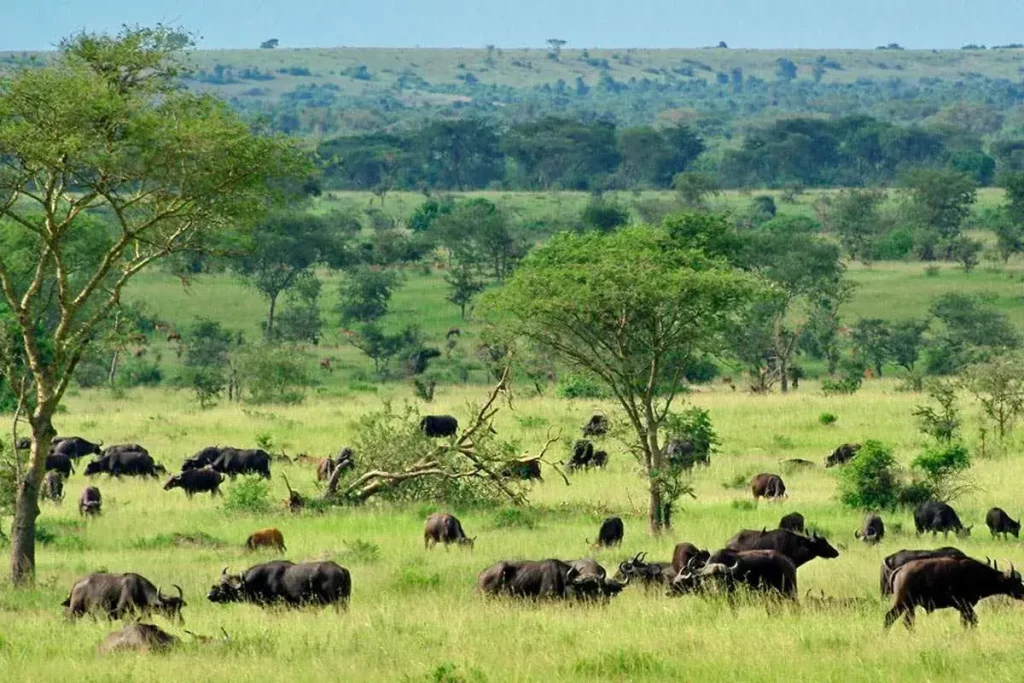
Kidepo Valley National Park
Kidepo Valley National Park is situated near Karenga in Kaabong District, in the northeastern part of Uganda. This National Park is about about 220 kilometers (140 miles) by road northwest of Moroto, which is the largest town in the Karamoja sub-region. It is also located roughly 520 kilometers (320 miles) by road northeast of Kampala, Uganda’s capital and largest city, making it one of the country’s most remote National Parks. Along its northwestern edge, the park shares an international border with Bira in South Sudan, where it directly borders the Kidepo Game Reserve.
Covering an area of approximately 1,442 square kilometers (557 square miles), Kidepo Valley National Park is one of Uganda’s largest protected areas. The park’s landscape is dominated by rugged savannah plains that stretch across the lower slopes of Mount Morungole, creating a dramatic and scenic environment. Two major rivers, the Kidepo and the Narus, flow through the park and play a vital role in sustaining wildlife, especially during the dry season.
History and facts about Kidepo Valley National Park
The Ketebo, also known as the Mening people, are the original inhabitants of the area and had lived there since around 1800. In 1958, during the period of British colonial rule, the region was officially gazetted as a game reserve, and the local communities were forcibly removed. This decision was made to protect wildlife from excessive hunting and to stop the continued clearing of bushland, which was being carried out as part of efforts to control the spread of tsetse flies. However, the eviction of the resident population led to severe hardship and famine, particularly among the Ketebo people.
Many were displaced and relocated to other areas within Bira, including Napotpot, Kalo Kudo, Namosingo, Loriwo, and Naurkori in what is now South Sudan. These events have since been cited by park authorities as a clear example of the negative consequences that can arise when the needs and livelihoods of local communities are not considered during the creation of protected areas.
Following Uganda’s independence, the new government led by Milton Obote upgraded the game reserve to National Park status in 1962, officially naming it Kidepo Valley National Park. This marked a new phase in the management and conservation of the area. The park’s first chief warden was Ian Ross, a British national who oversaw its early administration. In 1972, he was succeeded by Paul Ssali, a Ugandan, signaling a transition toward local leadership in park management. The process of handing over responsibilities and training between the two wardens was later documented in a 1974 American documentary film.
What is Unique about Kidepo Valley National Park?
The landscape of Kidepo Valley National Park encompasses vast open savannah plains, seasonal riverbeds, and the imposing Morungole and Labwor Hills that rise prominently in a distance. These rugged hills provide a stunning natural backdrop to every game drive, creating a sense of scale and wilderness that is rarely matched elsewhere in Uganda. Unlike many of the Uganda’s National Parks, which are characterized by dense vegetation and forested areas, Kidepo differs as it is has wide open spaces. This openness gives visitors uninterrupted views across the plains, closely resembling the classic African savannah scenery found in world-renowned safari destinations such as Tanzania’s Serengeti National Park and Kenya’s Masai Mara National Reserve.
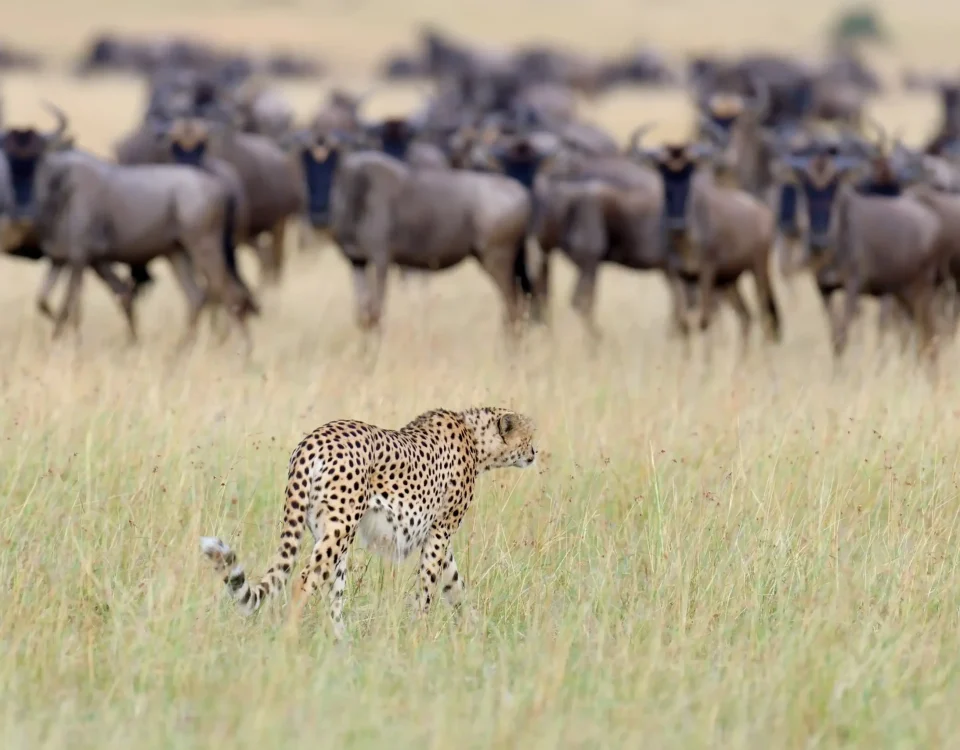
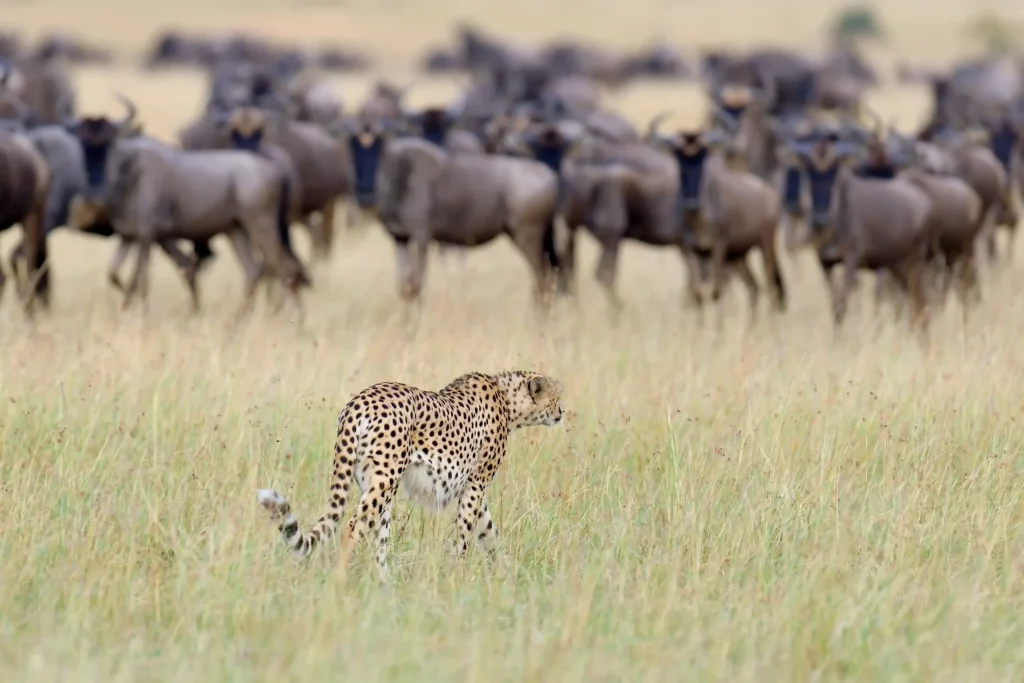
Beyond its impressive scenery, Kidepo Valley National Park also stands out for its remarkable wildlife diversity and abundance. In many ways, the park rivals these famous East African reserves in terms of animal numbers and the quality of wildlife viewing. Kidepo is home to different species, including lions, leopards, cheetahs, elephants, buffaloes, giraffes, and zebras. Large herds of antelope roam the plains.
Kidepo is further set apart by the presence of several species that are rarely encountered in other parts of Uganda. Animals such as cheetahs and ostriches are uncommon elsewhere in the country, yet they find suitable habitat within Kidepo’s open savannahs.
The Narus Valley
The name “Narus” originates from the Ketebo, also known as the Mening or Amening Clan, who were the original inhabitants of the valley. The Narus Valley is characterized by a mix of grass, with shorter red oat grass dominating much of the plains, alongside taller, clump-forming Guinea grass and fine thatching grasses. This combination of grasses supports a wide range of grazing wildlife throughout the area.
In the drier parts of the valley, the most common trees include red thorn acacias and desert date trees. Along the riverbanks and seasonal watercourses, vegetation becomes denser, featuring sausage trees and fan palms that thrive in the presence of water. Other notable plant species found in the valley include the candelabra euphorbia, as well as shorter varieties of monkey bread trees and buffalo thorn trees, all of which contribute to the valley’s distinctive landscape.
The presence of year-round water transforms the River Kidepo into a vital oasis within this semi-desert environment. This reliable water source supports an impressive diversity of wildlife. The area is home to more than 86 mammal species, including predators such as spotted hyenas, lions, cheetahs, African leopards, and African wild dogs.
Large herbivores also inhabit the area, expect to encounter African bush elephants, giraffes, zebras, African buffaloes, Rothschild’s giraffes, and bat-eared foxes among the species. In addition to its rich mammal life, the Narus Valley is also an important habitat for birds, with close to 500 bird species recorded here.