Rwenzori Mountains National Park
December 20, 2023
Kibale National Park
December 20, 2023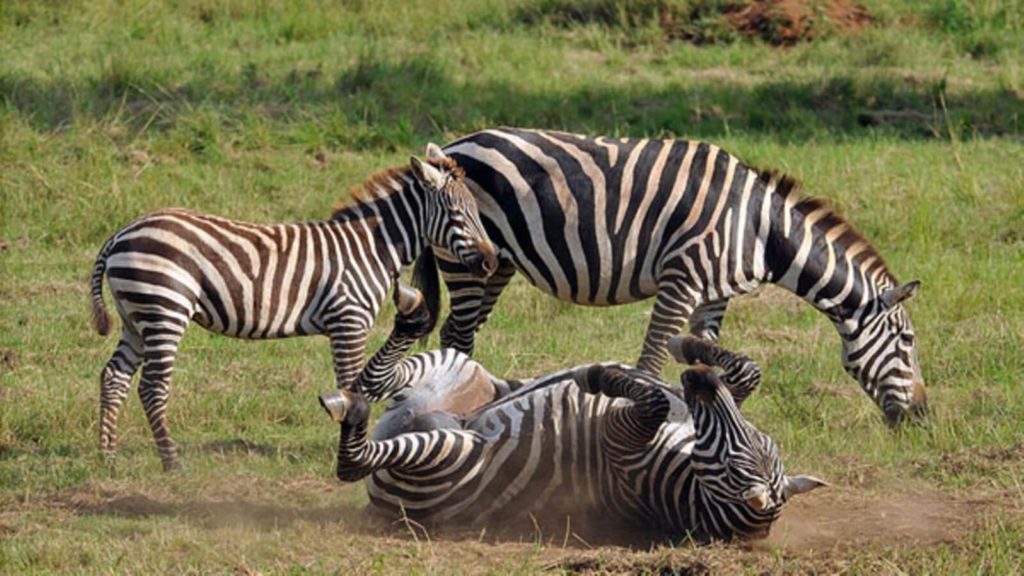
Lake Mburo National Park
Lake Mburo National Park is situated in Kiruhura District in Uganda’s Western Region, approximately 30 kilometers east of the city of Mbarara and roughly 240 kilometers west of Kampala, the country’s capital. Its convenient location makes it easily accessible for travelers exploring the western safari circuit of Uganda.
The area that is now Lake Mburo National Park was first officially designated in 1933 as a controlled hunting zone. It was later elevated to the status of a game reserve in 1963. The region had long been inhabited by the Banyankole Bahima pastoralist community, who are traditionally known for herding Ankole cattle—a practice that continues to this day. Even after the establishment of the reserve, local residents continued grazing their livestock within its boundaries. When the area was upgraded to national park status in 1983, the residents were forcibly removed from their ancestral lands, a move that was supported by some international conservation interests.
The decision by the Obote government to elevate Lake Mburo to a national park was partly politically motivated, as it aimed to weaken the Banyankole community, who were believed to support anti-Obote rebel groups. This period coincided with the Operation Bonanza massacre, during which approximately 300,000 people lost their lives during the Ugandan Bush War. The evicted pastoralists were neither compensated for the loss of grazing land nor assisted with resettlement, leading to deep resentment toward the park’s establishment. Meanwhile, the surrounding rangelands were divided into smaller grazing areas and subsistence farming plots.
In 1985, following the collapse of the second Obote regime, the former residents returned and reoccupied the park’s land. During this time, park infrastructure was destroyed, staff were expelled, and wildlife was killed. When the National Resistance Movement government took power in 1986, less than half of the park’s original size was officially re-gazetted.
Despite these challenges, the park still contains culturally important sites, including Rubanga, where sacrifices were once offered to the gods; Ruroko, believed to be the former home of the semi-mythical Bachwezi; and Kigarama, where the king’s servants were traditionally based.
Wildlife in Lake Mburo National Park
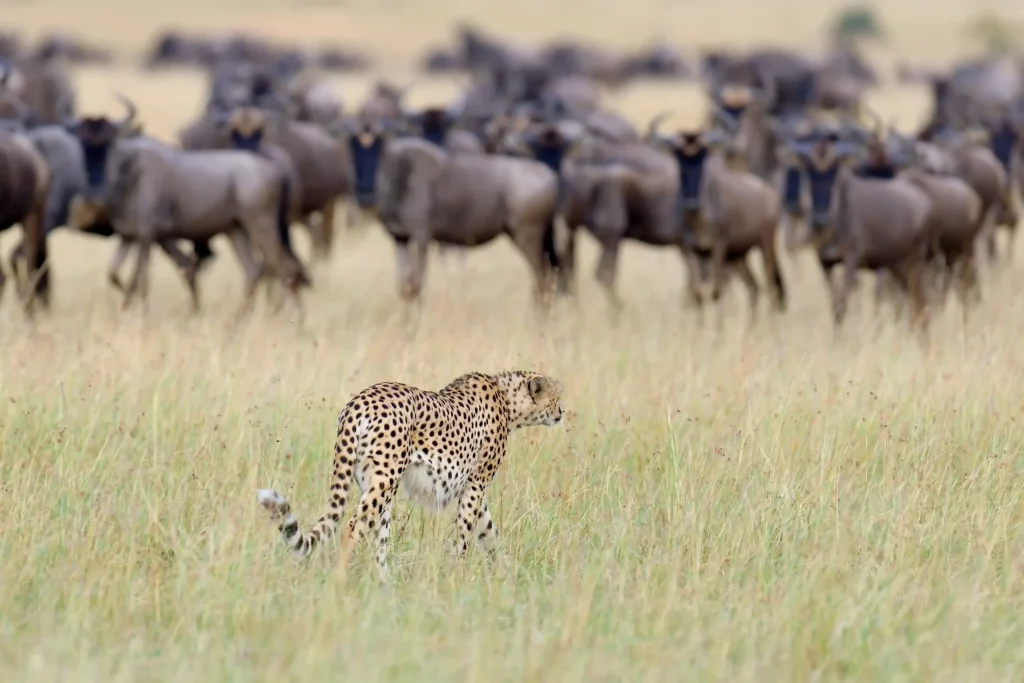
The park is home to a wide range of wildlife species, including zebra, hippopotamus, impala, warthog, common eland, African buffalo, and more than 300 species of birds. Carnivores found in the area may include lions, leopards, hyenas, genets, African civets, jackals, and servals. In addition, a population of Rothschild’s giraffes has been present in the park since 2015, further enhancing its wildlife diversity.
In 2005, the International Union for Conservation of Nature (IUCN) classified the protected area as a “lion conservation unit,” even though lions were no longer permanently present at the time. The local indigenous communities had eliminated lions from the area during the 1980s. However, in early 2015, reports emerged of a single lion roaming through the areas of Miriti, Kashara, Warukiri, and Rwonyo. The presence of this lion raised serious concerns among local residents, who viewed it as a threat to their safety and livestock. One proposed solution was to capture and relocate the animal to a zoo, while park authorities also discussed the possibility of reintroducing lions into the park in the future.
Unfortunately, the situation escalated when the roaming lion attacked and injured three people. This incident led to widespread anger within the surrounding community, and a large group of residents pursued the animal using stones and sticks. As tensions increased and the situation became increasingly dangerous, the Uganda Wildlife Authority made the decision to kill the lion in order to protect human life. It is believed that the animal had migrated into the area from Tanzania’s Kagera Game Reserve.
Best Time to Visit Lake Mburo & Accommodation Options
Lake Mburo National Park is an all year safari destination, although movement and activities within the park tend to be more challenging during the rainy seasons. A variety of tourist accommodation facilities are available both inside and around the park. These include well-known lodges such as Mihingo Lodge, Mantana Tented Camp, Arcadia Cottages, Rwakobo Rock, Mburo Safari Lodge, Mpogo Lodge, Eagle’s Nest Lodge, and the Rwonyo Campsite. In addition to these options, there are several other places to stay in the nearby towns of Mbarara and Lyantonde. The park is conveniently located along the Kampala–Mbarara highway, making it an ideal stopover for travelers heading to or from other destinations in the western region of Uganda.
Activities or things to do at Lake Mburo National Park
Lake Mburo National Park offers a wide range of activities for visitors to enjoy. These include game drives through the park’s rolling hills and open savannah grasslands, as well as boat cruises on Lake Mburo that allow visitors to view wildlife and birdlife from the water. Other popular activities include guided nature walks, sport fishing, and forest walks in Rubanga Forest, which provide excellent opportunities to spot various bird species. Adventure-based activities such as horseback riding and quad biking are also available for those seeking a more active experience.