
Tanzania Cultural Safaris
Although Tanzania is popular for its immersive wildlife experiences/Tanzania Wildlife safaris, the country is also a rich cultural destination in Africa. Tanzania Cultural Safaris offer a unique opportunity to explore the living traditions, history, and daily lives of some of Africa’s most fascinating ethnic communities. Tanzania is home to more than 120 tribes, each with its own language, customs, beliefs, and way of life. A cultural safari allows travelers to step into this rich human tapestry, experiencing authentic interactions that reveal how ancient traditions continue to thrive alongside modern influences.
From visiting the proud Maasai pastoralists of the northern plains, to sharing stories with the Hadzabe hunter-gatherers near Lake Eyasi, Tanzania Cultural Safaris provide meaningful insight into diverse lifestyles shaped by nature, history, and resilience. You’ll witness traditional dances, ceremonies, crafts, and architecture, while also learning about community values, social structures, and survival skills passed down through generations on your Tanzania Cultural Safaris.
Exceptional Tanzania Safari Holiday Adventure 2026/2027

9-Day Ultimate Tanzania Wildlife Safari
This is the 9-Day Ultimate Tanzania Wildlife Safari Experience. You will get to see the most important highlights: Arusha National Park, Tar

10-Day Best Tanzania Honeymoon Luxury Safari and
Begin your dream honeymoon with the 10-Day Best Tanzania Honeymoon Luxury Safari and Zanzibar Beach Getaway, an expertly crafted journey

8-Day Tanzania Mid-Range Safari
A life-changing adventure with the 8-Day Tanzania Mid-Range Safari, an expertly crafted journey offered by Frena Adventures Limited, show

9 Days Experience Tanzania
Embark on this 9 Days Experience Tanzania Safari and explore Tanzania’s uniqe safari location. You’ll also visit the iconic Serengeti National
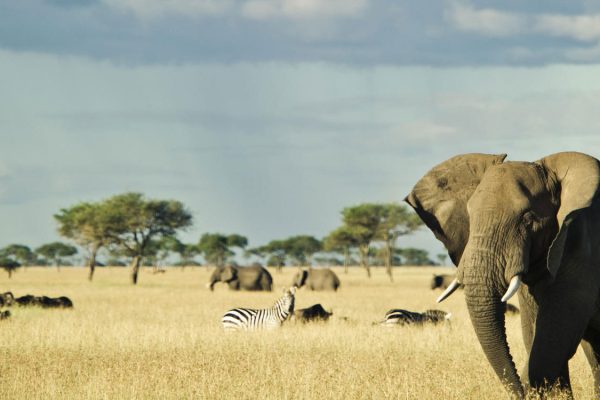
8 Days Northern Tanzania
Our 8 Days Northern Tanzania Safari specifically includes four national parks of the Northern Circuit: Ngorongoro Crater, Serengeti National Park, Lake

7 Days Tanzania Safaris
Embark on this 7 Days Tanzania Safaris and enjoy wildlife viewing in some of Tanzania top wildlife viewing destinations. You’ll visit Lake

4 Days Northern Circuit Wildlife Safari
The 4 Days Northern Circuit Wildlife Safari is a classic safari package that takes you to one of the most diverse regions in Tanzania. This

12-Day Tanzania Wildlife Safari
Arusha City is the starting point for your 12-Day Tanzania Wildlife Safari Road trip which will cover many kilometres and vastly varying terrains.
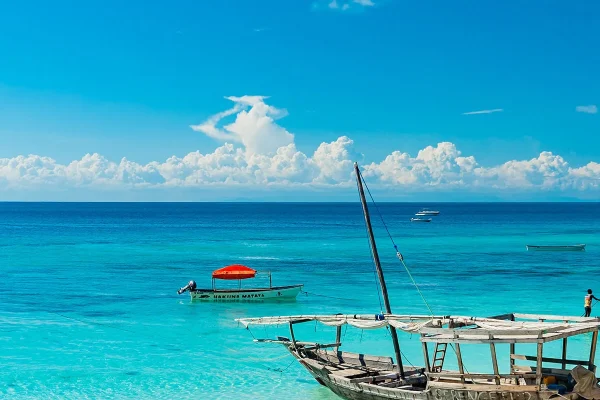
10-Day Tanzania Wildlife Safari & Zanzibar
10-Day Tanzania Wildlife Safari and Zanzibar Sandy Beach Getaway Experience. You’ll embark on an unforgettable adventure with a safari
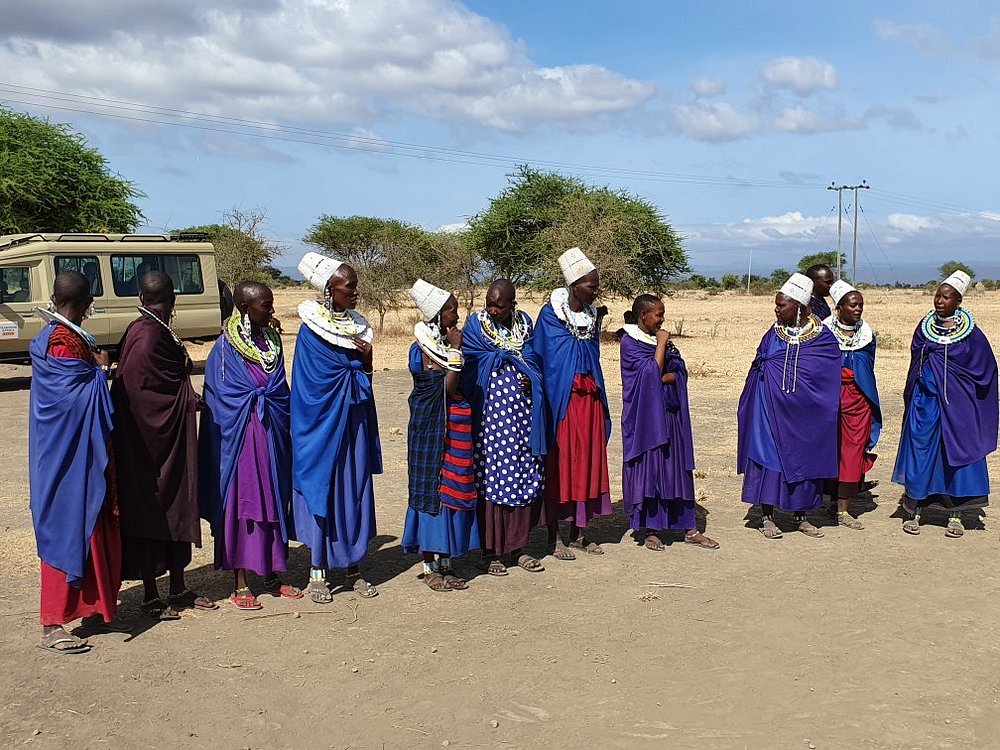
Tanzania Cultural Safaris
Tribes of Tanzania – who to visit during Tanzania Cultural Tours
Maasai Tribe
According to old stories, the Maasai people are believed to have originated from a blend of North African and Nilotic ancestry, migrating from the northern shores of Lake Turkana in present-day Kenya. They began moving southward in the 15th century and settled in what is now Tanzania over 200 years ago, displacing other communities to secure fertile grazing land for their cattle. In Maasai society, warriors held the highest status, and their belief system viewed all cattle as a divine gift from God, which justified their acquisition of livestock they encountered.
Today, the Maasai are known as a proud, welcoming, intelligent, and resilient community, with an estimated population of about one million people living across Tanzania and Kenya. Much of their ancestral land has since been incorporated into National Parks, often in exchange for assurances of cultural preservation and community welfare.
Adapting to changing circumstances, many Maasai have become actively involved in Tanzania’s tourism sector, working as guides, guards, staff, and managers in eco-tourism initiatives while supporting wildlife conservation. Some own land, camps, and lodges, while others run community-based projects producing food, furniture, crafts, and souvenirs in exchange for support in education, healthcare, and development. Their cultural heritage has become an important asset, sometimes presented as simple tourist entertainment, and in other cases shared through meaningful, authentic cultural exchanges that reflect their past, present, and future.
Hadzabe Tribe
The Hadzabe are regarded as Tanzania’s original hunter-gatherers and speak a Khoisan click language. They have lived around Lake Eyasi for more than 10,000 years, surviving in harmony with nature as nomadic foragers. Today, fewer than 1,000 Hadzabe remain. Encroachment by neighboring groups, government development, climate change, tourism, and commercial hunting have gradually disrupted their environment and traditional lifestyle, though their isolation has helped shield them from many modern illnesses.
They primarily suffer from mosquito- and tsetse-fly-borne diseases such as malaria, yellow fever, and sleeping sickness. While their way of life is a source of pride, it also highlights the challenges faced by a modern nation struggling to protect an endangered culture. Out of respect for their traditions, the Hadzabe are the only people legally permitted to hunt with bows and arrows in the Lake Eyasi region.
The Hadzabe live day to day without food storage or formal social structures. They do not follow organized religion, have no belief in an afterlife, and measure time mainly by lunar cycles. Men hunt wild game while women gather fruits, tubers, and other edible plants. Their shelters range from simple dome-shaped huts made of branches to caves or sleeping outdoors around a fire. Spending time with the Hadzabe on a Lake Eyasi cultural safari offers a powerful lesson in living fully in the present moment.
Datoga Tribe
Like the Maasai, the Datoga were traditionally nomadic pastoralists, but many have transitioned into subsistence farming, cultivating crops such as maize, beans, and millet alongside raising livestock including cattle, sheep, goats, and chickens. This shift has made them increasingly dependent on reliable water sources, leaving them vulnerable to drought. A Nilotic group, the Datoga wear leather garments that blend naturally into their surroundings and adorn themselves with beadwork, brass jewelry, and distinctive facial tattoos.
Their society is polygamous and governed by a council of elders. Known for their fierce reputation, they have at times conflicted with neighboring communities such as the Hadzabe and Iraqw and may resist cooperation with government authorities. Despite this, Datoga communities are often welcoming to visitors and willing to share their cultural traditions. They live in mud huts within fortified cattle enclosures and use all parts of their animals, producing only what they need and trading very little.
Although they claim ancient roots dating back 10,000 years, historical evidence suggests they migrated from Ethiopia around 3,000 years ago and settled near Lakes Manyara and Eyasi. Resistant to modernization and formal education, they face challenges such as high infant mortality and limited use of Kiswahili, spoken by fewer than 7% of the population.
Sukuma Tribe
The Sukuma people of northern Tanzania are primarily farmers and cattle herders. As a Bantu-speaking group originally from present-day Uganda, they migrated through the Congo into Burundi, Rwanda, and northwestern Tanzania. With a population exceeding 8 million, the Sukuma are Tanzania’s largest ethnic group, representing roughly one-sixth of the national population.
Many Sukuma have integrated into urban life, adopting modern clothing and lifestyles, while rural communities still wear traditional garments such as kanga and kitenge. They speak various Bantu dialects and Kiswahili. Religious practices vary, with some embracing Christianity or Islam, while others maintain traditional beliefs centered on ancestor worship. Although much of their traditional culture has faded, village dance competitions held between May and September remain a vibrant expression of Sukuma identity.
Elders are respected for their spiritual roles and believed ability to communicate with ancestors. While men and women now work across professional sectors, women continue to play key roles in family life. Rural Sukuma communities face challenges such as youth migration to cities, cultural erosion, and the need for better education and healthcare. Traditional meals typically consist of ugali served with vegetable relishes, supplemented by meat or fish on special occasions, accompanied by fermented milk or traditional beer.
Iraqw Tribe
The Iraqw trace their origins to Mesopotamia, migrating through Palestine, Egypt, Ethiopia, and Kenya before settling in Tanzania. Over time, pressure from the Datoga and Maasai forced them to adopt defensive lifestyles, including living underground with their livestock. They are generally reserved, traditional, and physically distinctive, but much of their ceremonial music and dance has been lost.
Today, Iraqw cultural revival focuses on reclaiming artistic traditions and reinforcing their identity within Tanzania’s diverse society. Rapid social change has created tension between traditional practices and modern religious influences, often visible during ceremonies such as weddings. While older generations are sometimes criticized for strict adherence to tradition, younger Iraqw increasingly embrace modern values, united by a shared desire for maendeleo—progress and development.
Swahili Tribe
For more than 2,000 years, the East African coast has been a hub of trade, cultural exchange, and intermarriage between Africans, Arabs, Persians, Indians, and other traders. This interaction gave rise to Swahili culture, renowned for its rich architecture, art, music, and commerce. The Kiswahili language became the dominant language of trade and is now Tanzania’s national language, helping unify over 120 ethnic groups.
Swahili culture blends African traditions with Islamic values, introduced by Arab traders in the 7th century. Most Swahili people practice Islam, often alongside older customs and spiritual beliefs. Celebrations such as Eid al-Fitr and Eid al-Adha are widely observed, and traditional attire includes the men’s khanzu and women’s bui bui. Spiritual life may involve Qur’anic teachings, traditional healing practices, and beliefs in jinn and angels.
Today, Swahili communities are found along the coasts of Tanzania and Kenya and across islands such as Zanzibar, Pemba, Mafia, Lamu, and Mombasa. Their culture reflects centuries of global influence, combining Islamic faith, African heritage, and a long history of trade and cultural exchange.