How Gorilla Habituation Works in Uganda
January 26, 2026
What Kids Can Do in Bwindi While Parents Go Gorilla Trekking
February 15, 2026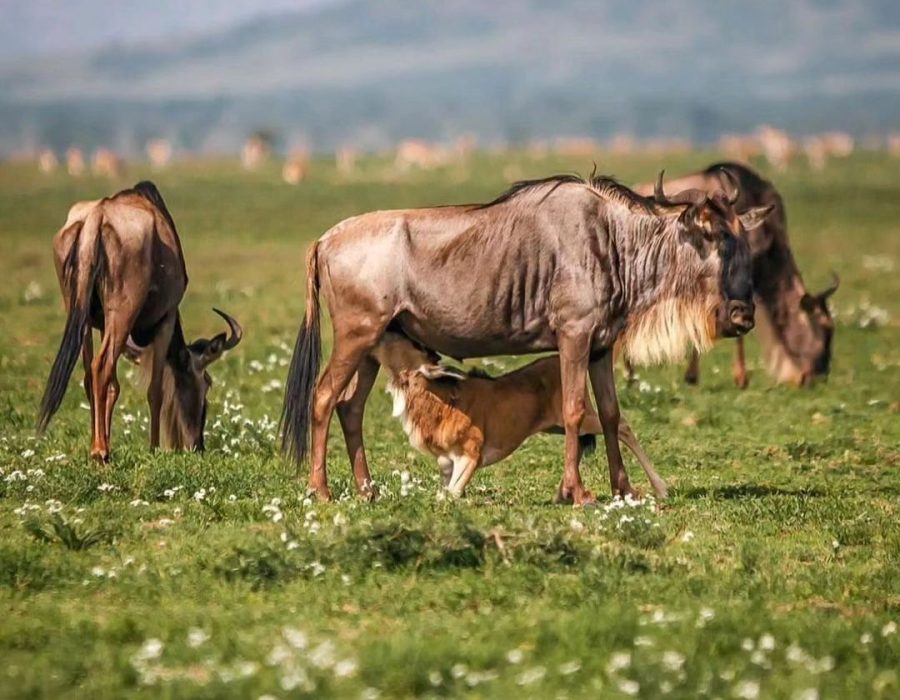
Calving Season in the Serengeti: Best Time to See Baby Wildebeest
Calving Season in the Serengeti: Best Time to See Baby Wildebeest stands as one of Africa’s most profound wildlife experiences. This period marks the beginning of life across endless plains, where timing, survival, and instinct shape every moment. Travelers who choose Calving season in the Serengeti National Park witness nature operating with precision and urgency. Vast herds arrive together, settle briefly, and give birth almost simultaneously. As a result, the landscape transforms into a living nursery filled with motion and sound. Unlike crowded peak seasons, Serengeti calving season safari journeys offer space, authenticity, and depth.
Green grasses stretch to the horizon, skies feel dramatic, and wildlife interactions happen naturally. More importantly, Best time to see baby wildebeest moments unfold daily, not as rare events. This safari phase rewards curious travelers seeking learning, emotion, and connection. Through expert planning and local knowledge, Frena Adventures delivers immersive journeys that balance comfort, ethics, and discovery. From first light game drives to cultural evenings near camp, this safari season defines meaningful African travel.
Understanding the Great Migration Calving Season
Calving Season in the Serengeti forms the emotional heart of the Great Migration calving season. Every year, wildebeest follow ancient rain patterns toward nutrient-rich plains. Once rains settle, instinct triggers birth cycles with astonishing coordination. During Wildebeest calving season Serengeti, more than four hundred thousand calves arrive within weeks. This survival strategy overwhelms predators through numbers and speed. Newborns stand quickly and run within minutes, creating intense and dramatic scenes.
Because of this rhythm, Serengeti calving season months remain predictable and reliable. The event usually begins late January and peaks in February. By March, herds prepare to move again. This short window delivers unmatched learning for wildlife lovers. Observers gain insight into animal behavior, ecosystem balance, and adaptation. Unlike river crossings, the focus stays on life rather than danger. For travelers seeking depth over spectacle, Great Migration calving season offers unmatched rewards.
Where Calving Happens: Southern Serengeti and Ndutu
Calving Season in the Serengeti unfolds mainly in the southern plains. This region provides short grasses rich in minerals, essential for lactating mothers. The Southern Serengeti calving season concentrates around Ndutu, a transitional zone between parks. Here, open landscapes allow clear visibility and off-road exploration. Visitors enjoy extended wildlife encounters without heavy vehicle congestion.
The area sits within Serengeti National Park and borders the Ngorongoro Conservation Area, creating ecological diversity. Lakes attract flamingos, while woodlands shelter elephants and giraffes. Because of these conditions, Ndutu calving season remains the prime location for photographers and researchers. Camps move seasonally, following herds closely. This mobility ensures front-row access to births and predator activity. Choosing the right base transforms a safari from ordinary to exceptional. Frena Adventures selects camps that align perfectly with migration movements, ensuring every game drive delivers value.
Wildlife Drama and Predator Action
Calving Season in the Serengeti brings unmatched predator-prey interaction. New life attracts lions, cheetahs, hyenas, and leopards in high numbers. Unlike other seasons, hunts occur in daylight across open plains. This visibility enhances understanding and photography opportunities. During Wildebeest calving season Tanzania, predators rely on strategy rather than surprise. Cheetahs test speed against young calves, while lions coordinate group hunts. Hyenas patrol constantly, taking advantage of opportunity.
Despite the danger, many calves survive due to numbers and alert mothers. These encounters feel raw and unscripted. For travelers, every drive delivers anticipation and learning. Guides explain behavior, track movements, and interpret signs with clarity. Through this lens, Serengeti calving season safari experiences feel educational and emotional. Visitors leave with deeper respect for nature’s balance. This realism strengthens Africa’s story and reinforces responsible tourism values.
Best Time to See Baby Wildebeest
Calving Season in the Serengeti truly earns its name during February. This month delivers peak birthing activity across Ndutu and surrounding plains. Travelers seeking certainty benefit from this timing. However, late January and early March still provide strong sightings. Understanding Serengeti calving season months helps with smart planning. Weather remains favorable, with short rains refreshing landscapes rather than disrupting travel.
Roads stay accessible, while crowds remain low. Because of this balance, many experts consider this the Best time to see baby wildebeest anywhere in Africa. Photographers enjoy green backdrops and dramatic clouds. Families appreciate gentler temperatures and shorter drives. Luxury travelers enjoy better lodge availability and personalized service. Frena Adventures aligns itineraries with wildlife movements rather than fixed calendars. This approach ensures meaningful encounters rather than rushed schedules.
Safari Experience and Lodge Life
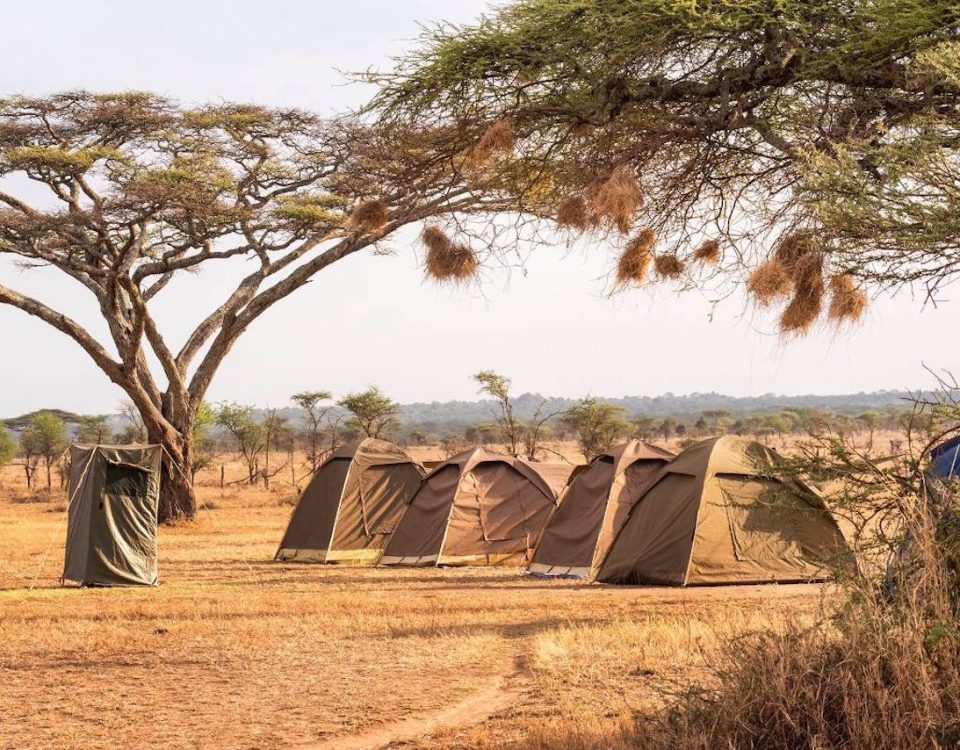
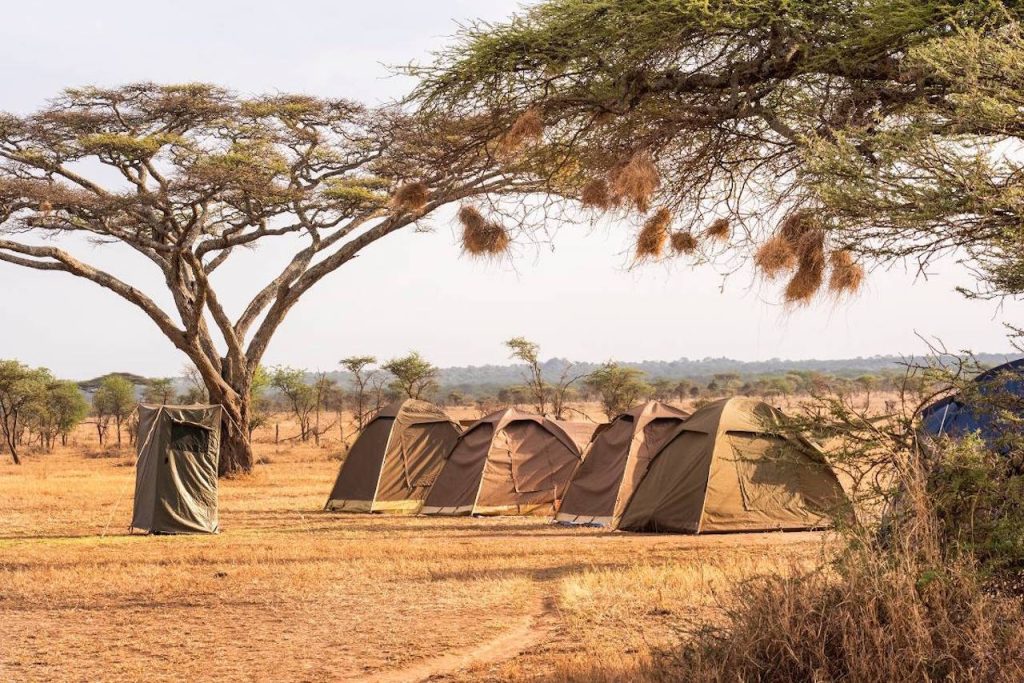
Calving Season in the Serengeti extends beyond game drives. Lodge life during this season feels calm, intimate, and immersive. Many camps operate seasonally, positioning guests close to migration paths. Tented lodges blend comfort with wilderness authenticity. Mornings begin with birdsong and distant hoofbeats. Afternoons offer rest, storytelling, and landscape photography.
Evenings bring fireside discussions under starlit skies. During Serengeti calving season safari stays, guides share deep ecological knowledge gained from years in the field. Meals feature fresh ingredients and regional flavors. Service feels personal rather than commercial. This atmosphere suits travelers seeking connection rather than luxury alone. Because lodges host fewer guests, experiences feel exclusive. Frena Adventures partners with camps that prioritize sustainability, local employment, and conservation. This alignment strengthens brand trust and long-term impact.
Cultural Experiences Around Safari Lodges
Calving Season in the Serengeti also opens doors to meaningful cultural encounters. Communities living near the Serengeti maintain strong traditions tied to land and wildlife. Visits to Maasai villages provide insight into pastoral life, resilience, and coexistence with nature. Guests learn about cattle culture, traditional dress, and warrior history. Storytelling sessions reveal generational knowledge passed through song and ritual. Craft markets showcase beadwork and hand-carved items, supporting local livelihoods. These moments enrich Calving season in the Serengeti journeys by adding human perspective. Cultural walks near lodges highlight medicinal plants and survival skills. Evenings sometimes include traditional dances performed respectfully and authentically. Frena Adventures curates these experiences carefully, ensuring dignity and mutual respect. Through culture, travelers gain context and appreciation beyond wildlife alone.
Why Choose Calving Season Over Other Safari Periods
Calving Season in the Serengeti offers advantages that many travelers overlook. Compared to river crossing months, this season feels less crowded and more fluid. Vehicles spread across vast plains, reducing congestion. Wildlife activity occurs throughout the day, not in short bursts. Costs often remain more flexible, creating value without compromise, the focus on births feels inspiring rather than intense. For photographers, lighting and scenery feel ideal. For researchers, behavior patterns remain consistent and observable. Because of these factors, Great Migration calving season appeals to travelers seeking substance over spectacle. Frena Adventures recommends this period for first-time safari guests and seasoned explorers alike. The experience delivers authenticity, education, and emotion in equal measure.
Planning a Serengeti Calving Season Safari
Calving Season in the Serengeti requires thoughtful planning. Early booking secures prime camps near Ndutu. Flexible itineraries allow adaptation to herd movements. Light aircraft transfers reduce travel time and maximize game viewing. Packing should include neutral clothing, rain protection, and camera equipment. Travelers benefit from expert guides who understand seasonal shifts. Frena Adventures designs itineraries that balance wildlife, comfort, and culture. Each journey reflects deep regional knowledge and ethical practice. Through personalized service, guests feel supported from arrival to departure. This professionalism reinforces trust and authority within African tourism.
Final Thoughts: Why This Safari Matters
Calving Season in the Serengeti represents more than a travel window. It reflects life, resilience, and natural intelligence on a grand scale. Witnessing birth, survival, and adaptation leaves lasting impact. Travelers return home changed, carrying deeper understanding of Africa’s ecosystems. Through responsible storytelling and expert guidance, Frena Adventures positions itself as a reliable source for African safari experiences. This season strengthens brand authority by delivering truth, depth, and value. For those seeking meaningful travel, this safari stands unmatched.