Which Areas of Kenya Allow for Both Safari Adventures and Beach Relaxation?
March 7, 2026
What Safety Measures Should I Consider When Hiking in Kenyan Wildlife Areas?
March 7, 2026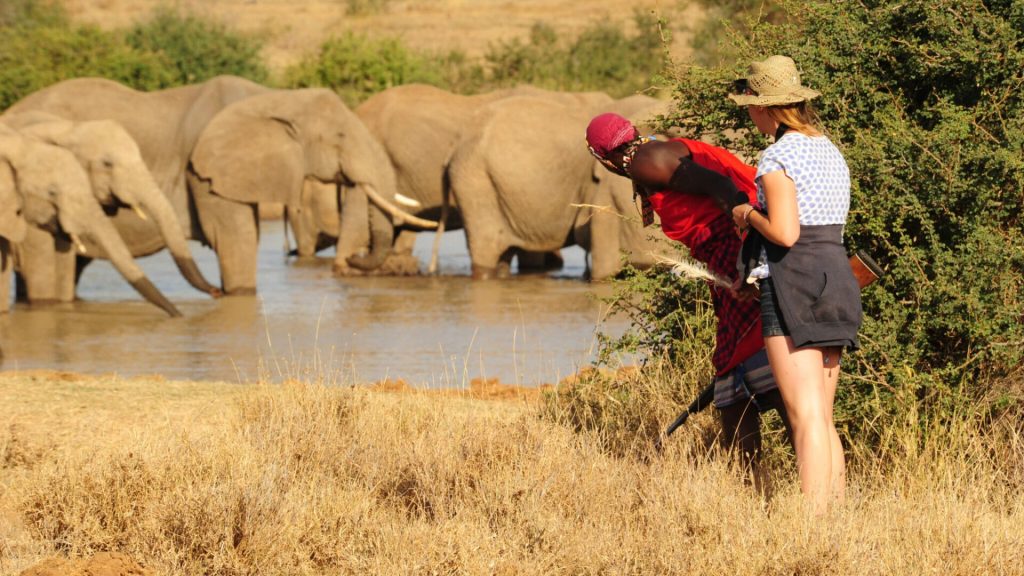
Can Hiking Safaris in Kenya Be Combined with Wildlife Viewing?
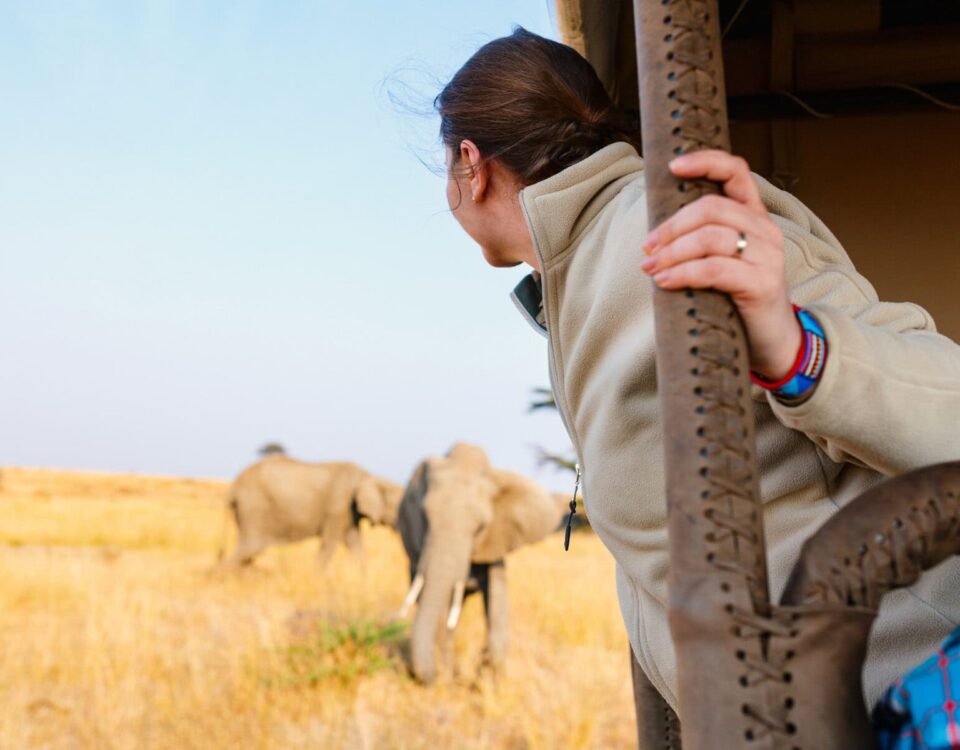
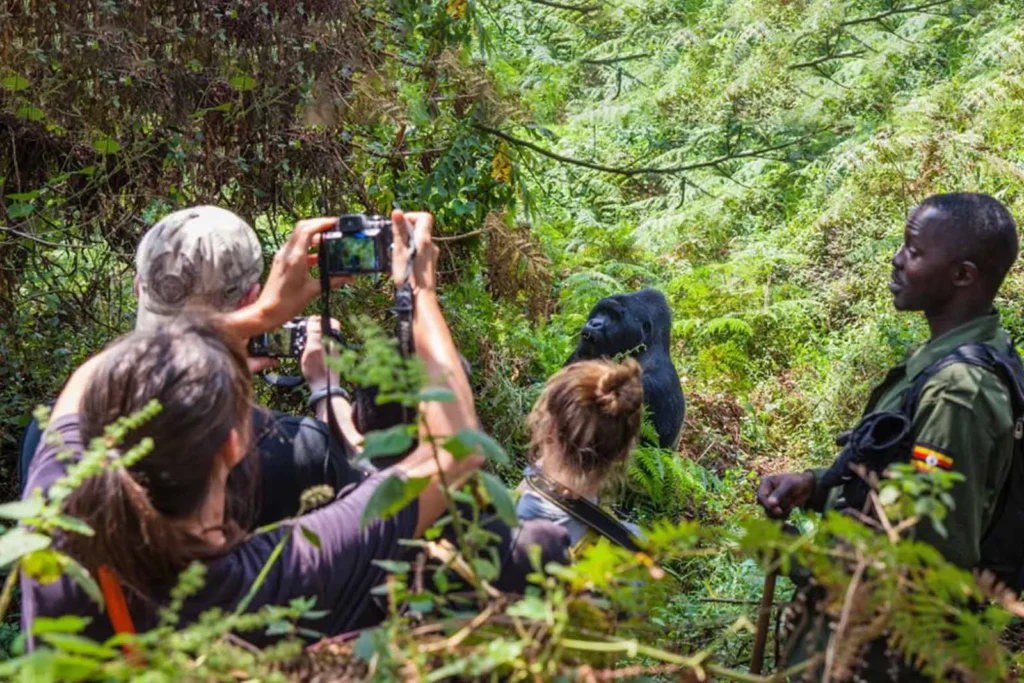
Can hiking safaris in Kenya be combined with wildlife viewing? Absolutely—and this unique travel style is becoming one of the most exciting ways to experience authentic Kenya Safaris. Adventurous travelers increasingly seek immersive journeys that move beyond traditional vehicle game drives, allowing them to explore Africa’s landscapes on foot while encountering wildlife in its natural environment. A walking or hiking safari offers a deeper connection to nature, local culture, and conservation efforts across Kenya’s most remarkable wilderness areas.
Unlike conventional drives, hiking expeditions reveal the subtle details of the African ecosystem. Carefully guided treks allow visitors to follow animal tracks, observe birdlife, learn about medicinal plants, and appreciate the rhythm of the savannah. Professional guides ensure safety while sharing expert insights that transform a simple walk into a rich educational experience. Consequently, combining trekking with wildlife observation has become a defining feature of the Kenya Best Safari experience for travelers seeking adventure and authenticity.
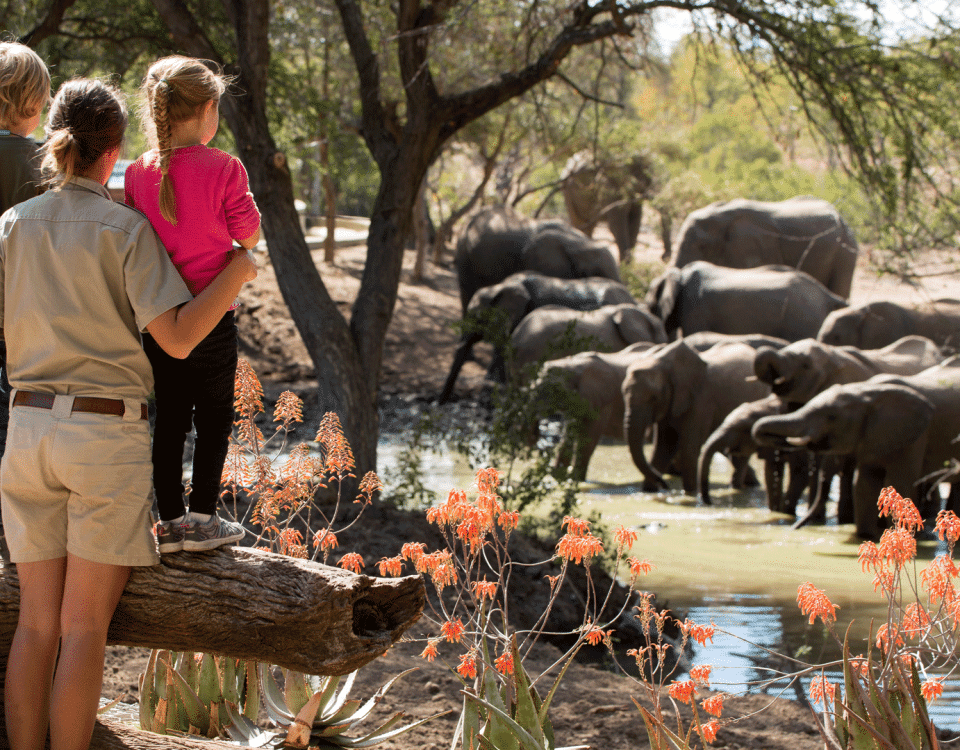
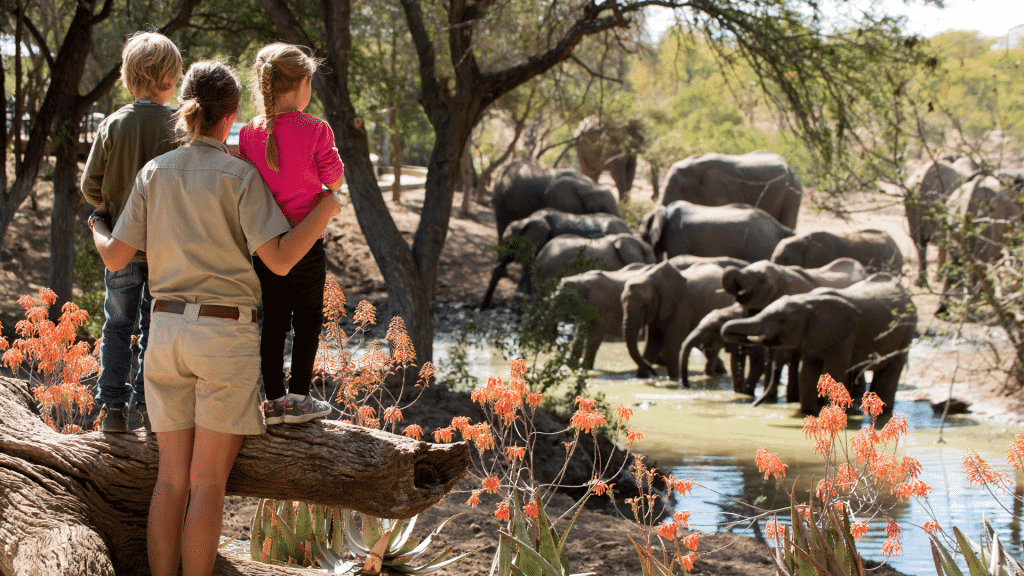
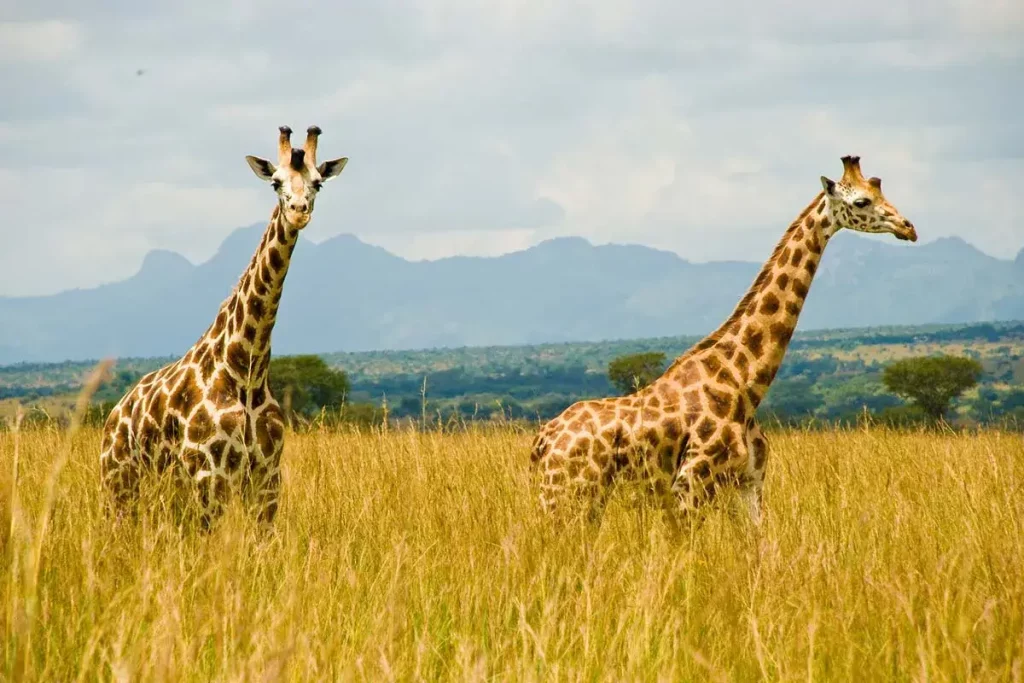
Furthermore, many of the regions suitable for hiking safaris are also prime habitats for diverse wildlife species and outstanding Kenya Birding Safaris opportunities. Scenic plains, rugged escarpments, and wildlife conservancies create environments where hiking and animal viewing complement one another perfectly. Visitors may encounter giraffes browsing acacia trees, elephants crossing distant valleys, or colorful birds perched along riverbanks.
Cultural engagement also enriches these journeys. Local communities such as the Maasai share traditional knowledge, adding a powerful human dimension to Kenya Cultural Safaris. Travelers learn about ancient herding traditions, wildlife coexistence practices, and indigenous survival skills that have shaped life in these landscapes for generations.
Ultimately, understanding Can hiking safaris in Kenya be combined with wildlife viewing? opens the door to a distinctive safari experience blending exploration, conservation awareness, and cultural discovery. Kenya’s protected ecosystems provide several destinations where such adventures flourish, particularly within areas connected to the famous great migration safaris routes.
Maasai Mara Ecosystem: Can Hiking Safaris in Kenya Be Combined with Wildlife Viewing in the Great Migration Region?
Can hiking safaris in Kenya be combined with wildlife viewing inside the legendary Maasai Mara ecosystem? Indeed, several private conservancies surrounding the Maasai Mara National Reserve allow guided walking safaris that complement traditional game drives and deliver extraordinary encounters during great migration safaris.
Vast savannah landscapes stretching along the Mara River create one of the world’s most celebrated wildlife theaters. Each year, millions of wildebeest, zebras, and gazelles cross from Tanzania into Kenya during the dramatic migration cycle. Many conservancies bordering the reserve permit carefully managed walking experiences, giving travelers the opportunity to explore the terrain where these massive herds travel.
Experienced rangers lead small groups across open plains and acacia woodlands while explaining ecological relationships within the ecosystem. Observing fresh tracks, dung markings, and grazing patterns reveals how predators and prey interact across the savannah. Additionally, the region’s exceptional bird diversity supports remarkable Kenya Birding Safaris, allowing hikers to spot species such as lilac-breasted rollers, secretary birds, and martial eagles.
What Cultural Experiences Can Visitors Enjoy Here?
Authentic interactions with Maasai communities highlight the human heritage of this region. Guided village visits allow travelers to witness traditional dances, beadwork craftsmanship, and cattle-herding practices that define Maasai culture. Cultural storytelling sessions around evening campfires deepen understanding of how local people coexist with wildlife in one of Africa’s most iconic landscapes.
How Can Travelers Reach the Maasai Mara for Hiking Safaris?
International visitors typically arrive through Nairobi’s Jomo Kenyatta International Airport before transferring by domestic flight or road to airstrips and conservancies near the Mara. Scenic charter flights provide quick access, while road journeys reveal Kenya’s rural countryside.
What Should Travelers Expect During This Safari?
Carefully guided hikes prioritize safety and environmental awareness. Small group sizes allow intimate exploration while trained guides monitor wildlife movement. Comfortable eco-lodges and luxury tented camps offer relaxing retreats after adventurous days in the field.
How Much Does the Safari Cost?
Premium hiking experiences within Mara conservancies usually range between USD 600 and USD 1,500 per person per day, depending on accommodation standards and travel season.
When Is the Best Time for This Safari?
July through October delivers the most dramatic scenes as herds arrive during great migration safaris, although wildlife viewing remains rewarding throughout the year.
Why Choose Frena Adventures for This Experience?
Frena Adventures designs expertly guided itineraries that combine wildlife tracking, cultural immersion, and sustainable tourism practices. Our safari specialists ensure guests experience the true answer to Can hiking safaris in Kenya be combined with wildlife viewing within Africa’s most celebrated ecosystem.
Laikipia Plateau: Can Hiking Safaris in Kenya Be Combined with Wildlife Viewing in Kenya’s Conservation Heartland?
Can hiking safaris in Kenya be combined with wildlife viewing in lesser-known wilderness areas beyond the Maasai Mara? The Laikipia Plateau stands out as one of Kenya’s most innovative conservation regions where walking safaris thrive alongside extraordinary wildlife encounters.
Rolling savannahs, dramatic escarpments, and private wildlife conservancies define this northern Kenyan landscape. Several conservancies allow guided hiking expeditions that offer intimate access to habitats supporting elephants, Grevy’s zebras, reticulated giraffes, and numerous antelope species. Trekking through these ecosystems enables travelers to appreciate the subtle details often overlooked during vehicle safaris.
Professional naturalist guides introduce visitors to tracking techniques used to follow wildlife footprints across dusty trails. Botanical insights reveal how native plants sustain herbivores and birds across the ecosystem. Consequently, Laikipia has become a rising destination for Kenya Birding Safaris, with hundreds of species thriving in its varied habitats.
What Cultural Experiences Are Available in Laikipia?
Cultural exchanges with Samburu and Maasai communities form an essential component of Kenya Cultural Safaris within the plateau. Local guides share stories about nomadic pastoral traditions, wildlife conservation partnerships, and the role indigenous knowledge plays in protecting fragile ecosystems.
How Do Travelers Reach the Laikipia Plateau?
Access typically begins in Nairobi followed by scenic flights to regional airstrips such as Nanyuki. Alternatively, road journeys from the capital provide an opportunity to observe changing landscapes as travelers ascend toward the plateau.
What Should Visitors Expect During Hiking Safaris Here?
Structured walking safaris emphasize exploration rather than intense trekking. Slow-paced hikes allow participants to safely observe animals from a respectful distance while enjoying panoramic views of Mount Kenya’s surrounding landscapes.
What Is the Typical Cost?
High-quality conservancy lodges offering walking safaris generally charge USD 500 to USD 1,200 per person per night, depending on luxury level and included activities.
When Is the Best Time to Visit?
Dry seasons between June and October as well as January through March provide ideal hiking conditions and excellent wildlife visibility.
Why Book with Frena Adventures?
Frena Adventures specializes in crafting customized Kenya Best Safari itineraries across Laikipia’s renowned conservancies. Our expert guides create seamless experiences answering the popular traveler question: Can hiking safaris in Kenya be combined with wildlife viewing?
Chyulu Hills: Can Hiking Safaris in Kenya Be Combined with Wildlife Viewing Near Kenya’s Volcanic Landscapes?
Can hiking safaris in Kenya be combined with wildlife viewing in dramatic volcanic terrain? The Chyulu Hills present one of Kenya’s most scenic hiking destinations, where rolling green hills and lava fields form an extraordinary backdrop for wildlife encounters and adventure safaris.
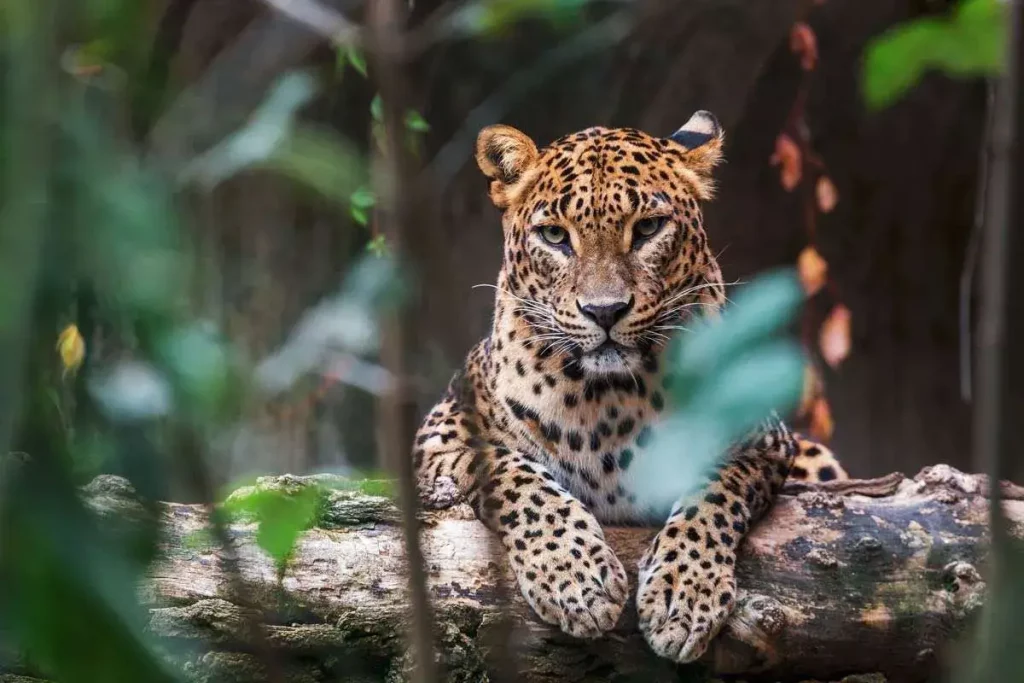
Stretching between Amboseli and Tsavo ecosystems, the Chyulu Hills host a protected wilderness supporting elephants, buffaloes, leopards, and numerous plains animals. Trekking trails weave through cloud forests, grasslands, and volcanic ridges, allowing hikers to explore ecosystems rarely reached by vehicles.
Guided expeditions often include tracking wildlife footprints along ancient lava flows while observing birds soaring above the hills. Consequently, this region has become a rising location for specialized Kenya Birding Safaris due to its rich avian diversity.
What Cultural Experiences Enhance This Safari?
Nearby Maasai communities welcome visitors interested in authentic Kenya Cultural Safaris experiences. Cultural walks reveal traditional livestock practices, medicinal plant uses, and conservation partnerships between local communities and wildlife organizations.
How Can Travelers Reach the Chyulu Hills?
International guests usually fly into Nairobi before connecting to Amboseli or nearby airstrips. Road journeys from Nairobi also provide scenic routes across Kenya’s southern landscapes.
What Should Travelers Expect on a Hiking Safari Here?
Moderate trekking routes offer breathtaking views of Mount Kilimanjaro and surrounding plains. Carefully planned excursions ensure hikers remain safe while enjoying wildlife sightings guided by trained experts.
How Much Does This Safari Cost?
Luxury eco-lodges and guided hiking experiences in the Chyulu Hills typically range between USD 450 and USD 1,000 per person per night, depending on accommodation style and travel season.
When Is the Best Time for Hiking Safaris?
June to October and January to February deliver the best hiking weather with clear skies and comfortable temperatures.
Why Choose Frena Adventures for This Safari?
Frena Adventures combines conservation expertise, local partnerships, and world-class guiding to deliver exceptional Kenya Safaris across the Chyulu Hills. Our commitment to authentic exploration ensures travelers fully experience the reality behind the question Can hiking safaris in Kenya be combined with wildlife viewing?
Final Thoughts
Exploring Can hiking safaris in Kenya be combined with wildlife viewing reveals an exciting dimension of African adventure travel. Destinations such as the Maasai Mara conservancies, Laikipia Plateau, and Chyulu Hills demonstrate that walking safaris can safely coexist with remarkable wildlife encounters.
Frena Adventures proudly designs tailored Kenya Best Safari experiences blending trekking, birdwatching, cultural exploration, and iconic great migration safaris. Travelers seeking authentic connection with nature will discover that hiking through Kenya’s wild landscapes creates unforgettable memories while supporting conservation and local communities.