What Are the Best Locations in the Maasai Mara to Witness River Crossings?
March 7, 2026
Are There Luxury Lodges or Camps Near Prime Great Migration Viewing Areas?
March 7, 2026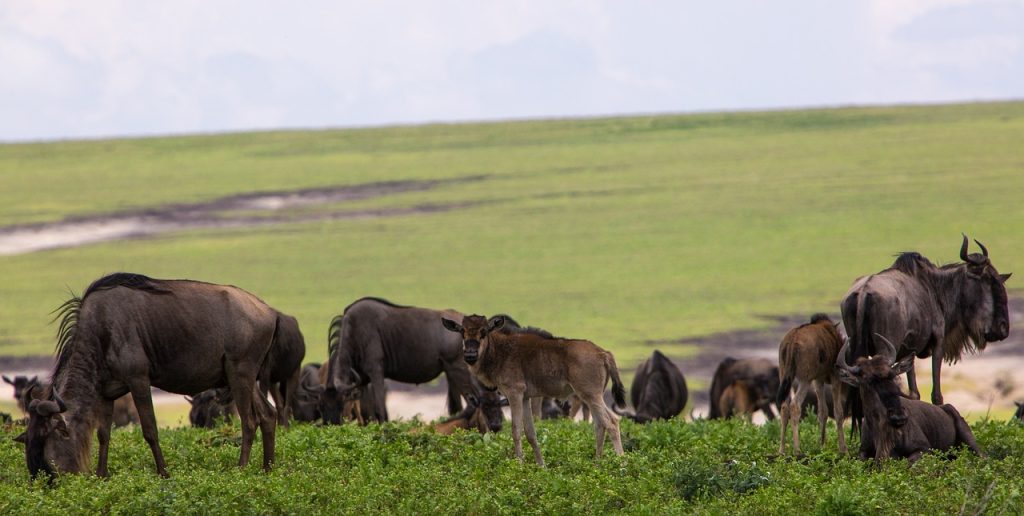
How Long Does It Take to See a Significant Portion of the Great Migration in Kenya?
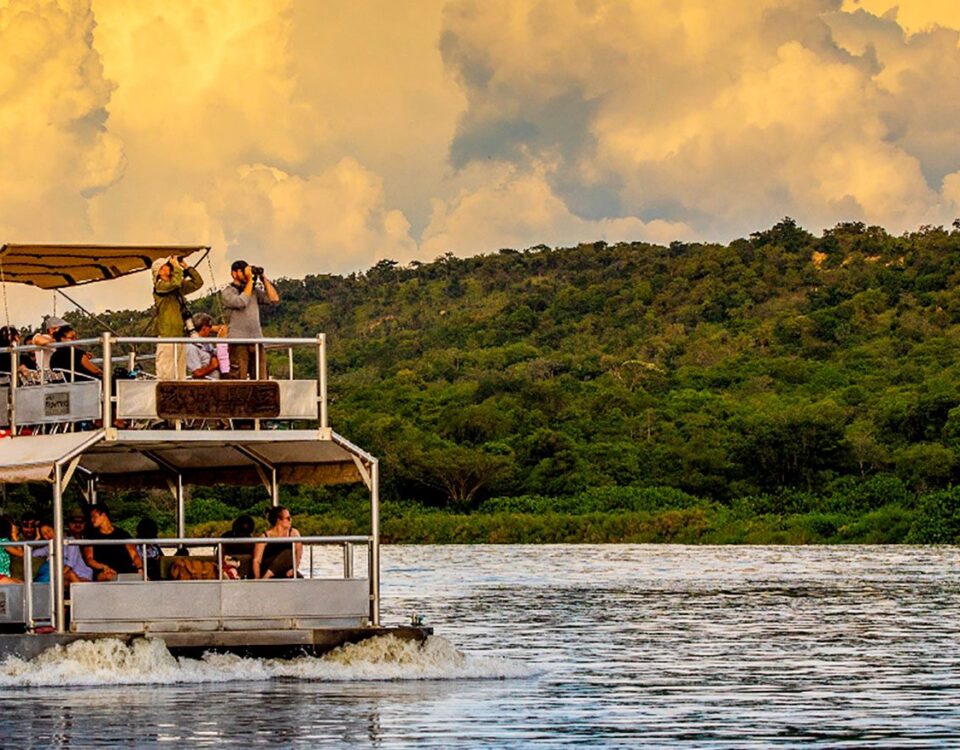
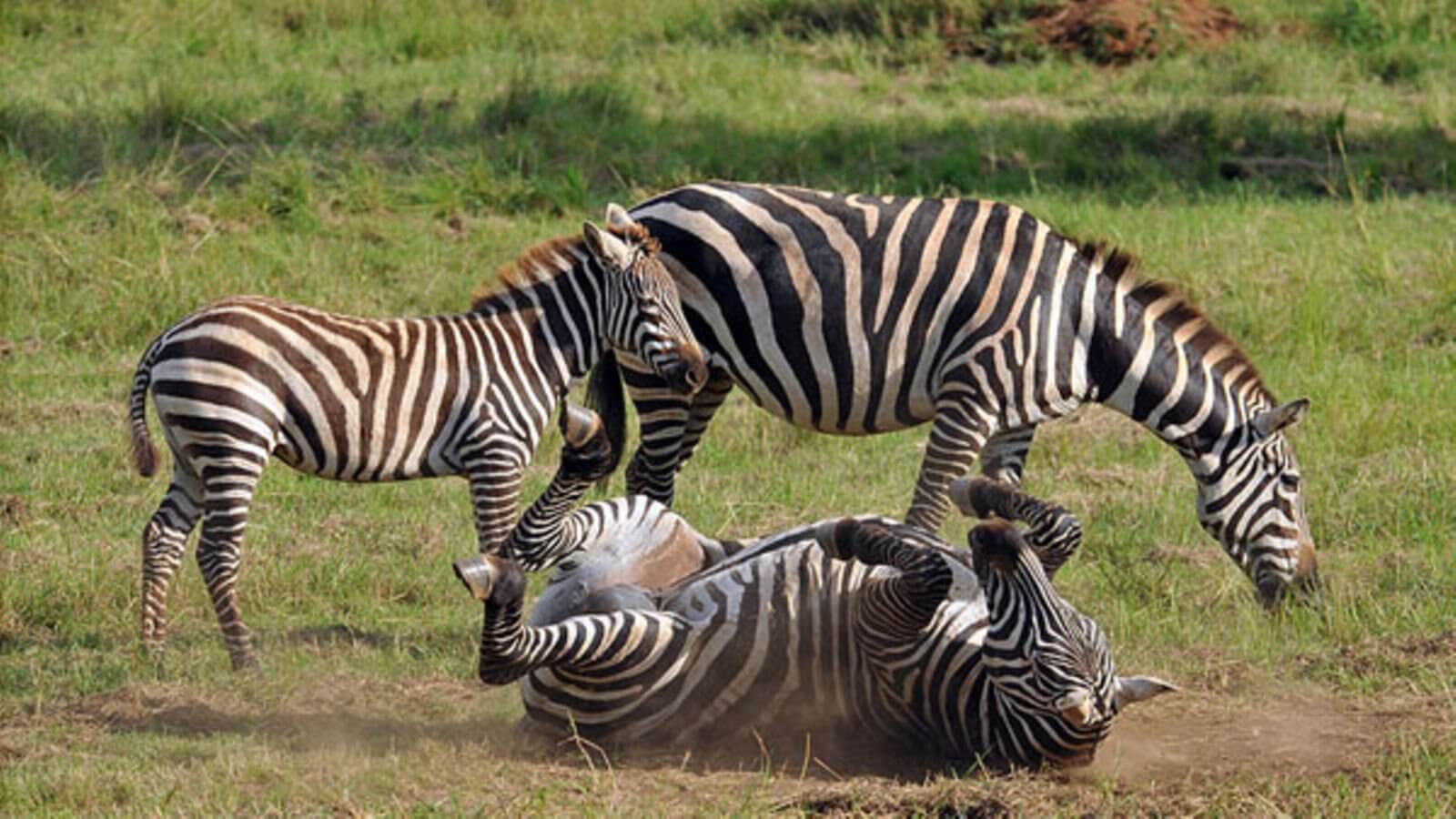
The question “How long does it take to see a significant portion of the Great Migration in Kenya?” is one of the most common inquiries travelers ask when planning Kenya Safaris. Every year, millions of wildebeest, zebras, and gazelles move across East Africa in search of greener pastures, creating one of the most dramatic wildlife spectacles on the planet. Within Kenya, the migration reaches its most thrilling stage in the world-famous Maasai Mara National Reserve, where massive herds gather and attempt the perilous crossing of the Mara River. Frena Adventures designs carefully timed great migration safaris to ensure visitors witness these remarkable moments while enjoying a comfortable and educational journey.
Understanding how long it takes to experience the migration is important because the phenomenon is constantly moving. Herds spread across the vast plains, meaning travelers need several days to explore different sections of the reserve and track wildlife movements. Many guests combine wildlife viewing with Kenya Cultural Safaris, interacting with Maasai communities who have coexisted with migrating animals for generations. Bird enthusiasts also discover that Kenya Birding Safaris during migration season are exceptionally rewarding, as riverbanks and grasslands host many migratory and resident species.
Planning the ideal safari duration allows visitors to appreciate both the scale of the migration and the unique ecosystems supporting it. Frena Adventures’s expert guides combine field knowledge, wildlife tracking skills, and deep local connections to help travelers maximize their time. By carefully selecting the right season, location, and itinerary length, visitors can experience the best of the Kenya Best Safari while witnessing one of nature’s greatest journeys.
What Is the Ideal Length of Stay to Witness the Great Migration in Kenya?
Determining how long it takes to see a significant portion of the Great Migration in Kenya depends largely on the traveler’s schedule and the seasonal movements of the herds. Wildlife specialists generally recommend spending at least four to seven days inside or around the Maasai Mara National Reserve to observe meaningful migration activity. Such a timeframe allows guests to explore different sectors of the reserve where wildebeest gather before attempting the dramatic Mara River crossings.
Four days provide a solid introduction to great migration safaris, enabling visitors to experience multiple game drives and potentially observe river crossings. Five or six days create even better chances to follow the herds across grasslands, witness predator interactions, and enjoy extended photographic opportunities. Seven days or longer deliver the full experience, allowing guests to explore remote areas where wildlife densities remain high and crowds are fewer.
Travelers participating in Kenya Safaris with Frena Adventures benefit from flexible itineraries that adjust daily according to wildlife movement. Skilled guides monitor herd patterns and communicate with other trackers across the reserve to locate the most active areas. Birdwatchers often appreciate longer stays because Kenya Birding Safaris reveal hundreds of species along the riverbanks, including fish eagles, storks, and kingfishers.
Beyond wildlife viewing, guests can also participate in Kenya Cultural Safaris, visiting nearby Maasai villages to learn about traditional pastoral lifestyles. Cultural encounters often include storytelling, traditional dances, and demonstrations of beadwork craftsmanship. Combining wildlife exploration with cultural engagement transforms the safari into a deeper travel experience that reflects the true spirit of East Africa.
Ultimately, a carefully planned stay of five to seven days offers the best balance of exploration, comfort, and wildlife viewing opportunities, making it the ideal timeframe for travelers seeking the ultimate Kenya Best Safari.
How Do You Reach the Great Migration Destinations in Kenya?
Travel logistics play a key role when planning how long it takes to see a significant portion of the Great Migration in Kenya. Most international travelers begin their journey in Nairobi, the capital city and the main gateway for Kenya Safaris. From there, visitors typically reach the Maasai Mara National Reserve by either domestic flights or scenic road transfers.
Small charter aircraft depart daily from Wilson Airport in Nairobi, landing at airstrips located near migration hotspots. Flights take roughly one hour and offer breathtaking aerial views of Kenya’s savannah landscapes. Road travel takes approximately five to six hours, allowing guests to observe rural villages, rolling hills, and wildlife along the route.
Frena Adventures coordinates these logistics to ensure that travelers spend more time on safari and less time navigating transportation details. Once inside the reserve, expert guides conduct daily game drives designed to track the movements of migrating herds. Flexible scheduling enables guides to respond quickly when large crossings begin along the Mara River.
Visitors who enjoy birdwatching often incorporate Kenya Birding Safaris during their stay. Riverine forests surrounding the Mara River provide habitat for numerous bird species, making the journey especially rewarding for ornithology enthusiasts. Meanwhile, Kenya Cultural Safaris can be arranged in nearby Maasai communities, where travelers experience authentic traditions and learn about the relationship between wildlife conservation and local livelihoods.
Combining convenient travel access with expert guiding ensures guests experience the best of great migration safaris while enjoying comfortable accommodations and seamless transfers.
When Is the Best Time to See the Great Migration in Kenya?
Choosing the correct travel period is essential when determining how long it takes to see a significant portion of the Great Migration in Kenya. The migration usually enters the Maasai Mara National Reserve between July and October, when large herds move north from Tanzania in search of fresh grazing land.
July marks the beginning of the migration season in Kenya as the first groups of wildebeest cross into the reserve. August and September typically deliver the most dramatic wildlife encounters because river crossings become frequent during these months. October often features lingering herds grazing across the plains before they begin their journey south again.
Travelers planning Kenya Safaris during this period enjoy exceptional wildlife viewing opportunities combined with pleasant weather conditions. Dry-season landscapes improve visibility, allowing visitors to easily spot large animals across open savannah terrain. Photographers especially appreciate the golden lighting that illuminates migrating herds during early morning and late afternoon drives.
Birdwatchers benefit as well because Kenya Birding Safaris during migration season reveal both resident and migratory species gathering near water sources. Cultural travelers can also participate in Kenya Cultural Safaris, where Maasai communities share traditions shaped by centuries of coexistence with wildlife.
Selecting the right season allows guests to maximize their time and experience the highlights of the Kenya Best Safari while witnessing the powerful drama of the Great Migration.
What Does a Great Migration Safari Cost in Kenya?
Travelers planning how long it takes to see a significant portion of the Great Migration in Kenya should also consider safari budgets. Costs vary depending on accommodation style, transportation options, and the length of the itinerary.
Mid-range Kenya Safaris typically range from $3,500 to $5,500 per person for a six-day safari, including park fees, guided game drives, meals, and comfortable lodges. Luxury Kenya Best Safari packages can range from $6,000 to $12,000 per person, offering private guides, high-end tented camps, and exclusive viewing locations near migration routes.
Specialized experiences such as Kenya Birding Safaris may include expert ornithologists who guide travelers through bird-rich habitats around the Mara River. Cultural experiences within Kenya Cultural Safaris may include visits to Maasai villages, traditional dance performances, and guided storytelling sessions about local heritage.
Frena Adventures ensures transparent pricing, allowing guests to clearly understand what their safari includes. Professional guides, reliable vehicles, and well-located accommodations ensure visitors receive outstanding value for their investment in great migration safaris.
Why Choose Frena Adventures for a Great Migration Safari?
Travelers seeking expert guidance when asking “How long does it take to see a significant portion of the Great Migration in Kenya?” benefit from choosing an experienced safari operator. Frena Adventures combines local expertise, conservation knowledge, and personalized service to deliver world-class Kenya Safaris.
Professional guides understand the seasonal movements of migrating animals and position guests in the best areas for dramatic wildlife sightings. Flexible itineraries ensure that travelers follow herd movements rather than remain fixed in one location. Such adaptability significantly increases the chances of witnessing thrilling Mara River crossings.
Beyond wildlife encounters, Frena Adventures incorporates meaningful cultural engagement through Kenya Cultural Safaris that support local communities. Bird enthusiasts can also enjoy expertly guided Kenya Birding Safaris, exploring habitats rich with avian diversity.
Sustainable tourism practices guide every itinerary, ensuring that safari experiences contribute positively to conservation efforts within the Maasai Mara National Reserve. Personalized service, professional guiding, and deep regional knowledge make Frena Adventures a trusted choice for travelers seeking the ultimate Kenya Best Safari.
Choosing Frena Adventures means embarking on a journey that combines adventure, education, and cultural understanding while witnessing one of the greatest wildlife migrations on Earth.