
Leopard Tracking in Uganda: What Are Your Chances?
September 8, 2026
Why Choose Chimpanzee Tracking in Uganda, Rwanda, or Tanzania?
September 8, 2026
Lions of Uganda: Where and When to Spot Them
Lions of Uganda: Where and When to Spot Them is an exciting topic for wildlife travelers. Uganda offers remarkable opportunities to encounter lions within protected savannah landscapes.
These powerful cats form an important part of Uganda’s wildlife heritage. They also play a vital role in maintaining healthy ecosystems.
Travelers can search for lions during carefully planned game drives. Queen Elizabeth National Park and Murchison Falls National Park provide important lion habitats.
Kidepo Valley National Park also offers exceptional wilderness experiences. Its remote landscapes create opportunities for memorable predator encounters.
Lion sightings remain unpredictable because these animals move freely through natural habitats. However, the right destination, season, timing, and guide can improve your opportunities.
Understanding Lions of Uganda: Where and When to Spot Them helps travelers plan realistic safari expectations. It also makes every wildlife encounter more meaningful.
Uganda offers more than lion viewing. Visitors can combine savannah safaris with gorilla trekking, chimpanzee tracking, birdwatching, boat cruises, and cultural experiences.
A well-planned Uganda safari can therefore provide remarkable diversity within one country.
Frena Adventures creates personalized wildlife journeys for travelers seeking authentic African experiences.
Lions of Uganda: Where and When to Spot Them?
Uganda’s Main Lion Destinations
Lions of Uganda: Where and When to Spot Them begins with choosing the right destination. Uganda has several protected areas supporting lion populations.
Queen Elizabeth National Park remains one of the country’s best-known lion destinations. The park contains extensive savannah plains and woodland habitats.
Murchison Falls National Park provides another important lion habitat. Its northern sector contains open grasslands that support numerous herbivores.
Kidepo Valley National Park offers a more remote experience. The park’s expansive valleys and rugged mountains create a spectacular setting for wildlife viewing.
Each destination offers a different safari atmosphere. Queen Elizabeth combines wildlife with the Kazinga Channel. Murchison adds the Nile River and spectacular waterfalls.
Kidepo provides wilderness, isolation, and dramatic scenery.
Therefore, your choice should reflect your travel goals. Longer itineraries can combine several destinations for a broader Uganda wildlife safari.
Lions of Uganda: Where and When to Spot Them in Queen Elizabeth National Park
Explore the Kasenyi Plains
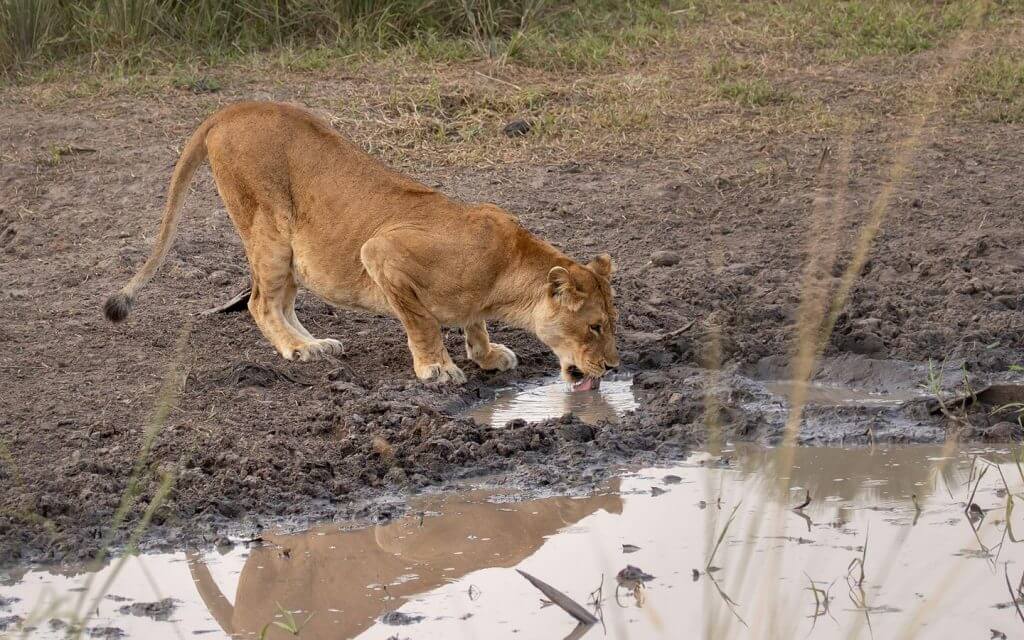
Queen Elizabeth National Park provides excellent opportunities to search for lions. The Kasenyi Plains remain particularly important for game viewing.
This open savannah supports large numbers of Uganda kob. These antelopes provide an important prey species for lions.
Early morning game drives offer excellent wildlife viewing conditions. Temperatures remain cooler, while many animals remain active.
Late afternoon drives provide another productive period. Lions may become more active as temperatures fall.
Visitors can also explore areas around the Mweya Peninsula. The surrounding habitats support diverse wildlife and bird species.
Beyond lions, travelers can encounter elephants, buffaloes, leopards, hippos, warthogs, and various antelope species.
A boat cruise along the Kazinga Channel complements the game drive experience. Visitors can observe hippos, crocodiles, elephants, buffaloes, and waterbirds.
For this reason, Queen Elizabeth National Park works exceptionally well for Uganda wildlife safaris.
Lions of Uganda: Where and When to Spot Them in Murchison Falls
Search the Northern Savannah
Murchison Falls National Park offers another excellent location for lion encounters.
The northern sector contains broad savannah landscapes. These areas support giraffes, hartebeests, buffaloes, Uganda kob, and other prey species.
Lions often benefit from these productive wildlife habitats. Their presence adds excitement to morning and afternoon game drives.
The park also offers exceptional scenery. The Nile River passes through the protected landscape before reaching the dramatic Murchison Falls.
Visitors can combine wildlife viewing with a boat cruise. The cruise provides close views of hippos, crocodiles, elephants, and numerous waterbirds.
A hike toward the top of Murchison Falls creates another memorable experience.
Combining these activities creates a complete Uganda adventure safari.
Travelers should allow several days for the park. More time creates additional opportunities to explore different habitats.
Lions of Uganda: Where and When to Spot Them in Kidepo Valley
Experience Uganda’s Remote Wilderness
Kidepo Valley National Park offers one of Uganda’s most dramatic lion-viewing environments.
The park lies in the remote northeastern region of Uganda. Its isolation contributes to a strong wilderness atmosphere.
Large open valleys create excellent wildlife viewing opportunities. Lions share these landscapes with elephants, buffaloes, giraffes, zebras, cheetahs, leopards, and numerous antelope species.
The Narus Valley provides particularly productive wildlife habitat. Permanent water sources attract animals during drier periods.
Early morning drives can reveal predators resting or moving through open areas. Afternoon drives offer another opportunity as temperatures decline.
Kidepo also provides breathtaking mountain scenery. The rugged landscape creates exceptional photography opportunities.
For travelers seeking less crowded Uganda adventure safaris, Kidepo provides a compelling choice.
A longer journey also allows visitors to experience local cultural traditions.
Lions of Uganda: Where and When to Spot Them During Game Drives
Choose the Right Safari Hours
Timing matters when searching for lions. These predators often remain less active during the hottest parts of the day.
Morning game drives offer cooler temperatures and good wildlife activity. Lions may still move after nocturnal hunting.
Afternoon drives can become productive as temperatures decline. Predators may begin moving before sunset.
Midday viewing can still produce sightings. However, lions may rest beneath trees or dense vegetation during hot periods.
Nighttime provides another period of lion activity. Standard park regulations determine whether night drives remain available.
Private conservancies or suitable safari areas may offer different opportunities. Travelers should confirm available activities before booking.
A knowledgeable guide can identify likely resting areas and recent predator activity.
Therefore, choosing suitable game-drive times can improve your Lions of Uganda: Where and When to Spot Them experience.
Lions of Uganda: Where and When to Spot Them During Dry Seasons
Why Dry Conditions Can Help
Dry seasons can create favorable conditions for wildlife viewing in Uganda.
Vegetation becomes less dense in many savannah areas. Consequently, travelers may find it easier to spot animals.
Water sources also become increasingly important. Wildlife often gathers around permanent rivers, pools, and waterholes.
Predators may take advantage of these concentrations. Lions can patrol areas containing abundant prey.
Road conditions can also improve during drier periods. Safari vehicles can often explore more areas with fewer weather-related challenges.
However, Uganda remains a year-round wildlife destination. Green seasons create beautiful scenery and excellent photographic conditions.
Birdwatchers may particularly enjoy wetter periods. Migratory birds can add another dimension to wildlife experiences.
Therefore, the best time depends on your broader safari interests.
5-day primate and wildlife safari
Lions of Uganda: Where and When to Spot Them During Green Seasons
Enjoy Lush Landscapes and Wildlife
Green seasons transform Uganda’s savannahs into vibrant landscapes.
Fresh vegetation creates beautiful scenery for photography. The landscape can also provide excellent habitats for herbivores.
Abundant prey supports predators throughout the ecosystem. Lions continue hunting while navigating thicker vegetation.
Rainfall can occasionally affect road conditions. However, experienced guides understand how to manage changing conditions.
Green landscapes create excellent photographic opportunities. Dramatic clouds, fresh grass, and wildlife can produce striking images.
Bird activity also becomes highly rewarding. Visitors can observe resident species alongside seasonal migrants.
Therefore, travelers should not automatically avoid wetter periods.
A green-season Uganda wildlife tour can provide beautiful scenery and rewarding wildlife encounters.
Lions of Uganda: Understanding Lion Behavior
Learn How Lions Live
Understanding lion behavior makes sightings more fascinating.
Lions often live within social groups called prides. Pride members cooperate in raising young and defending territories.
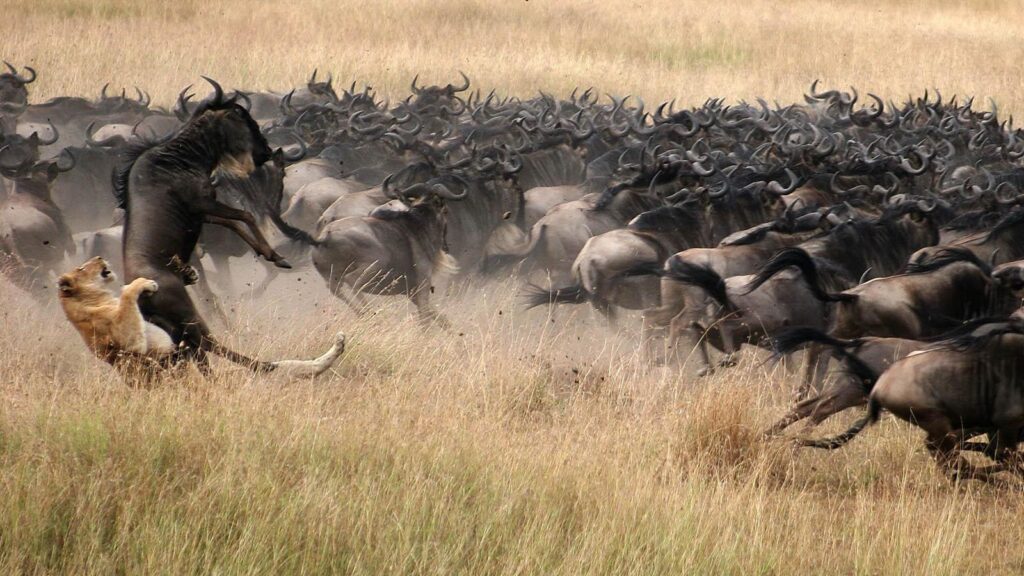
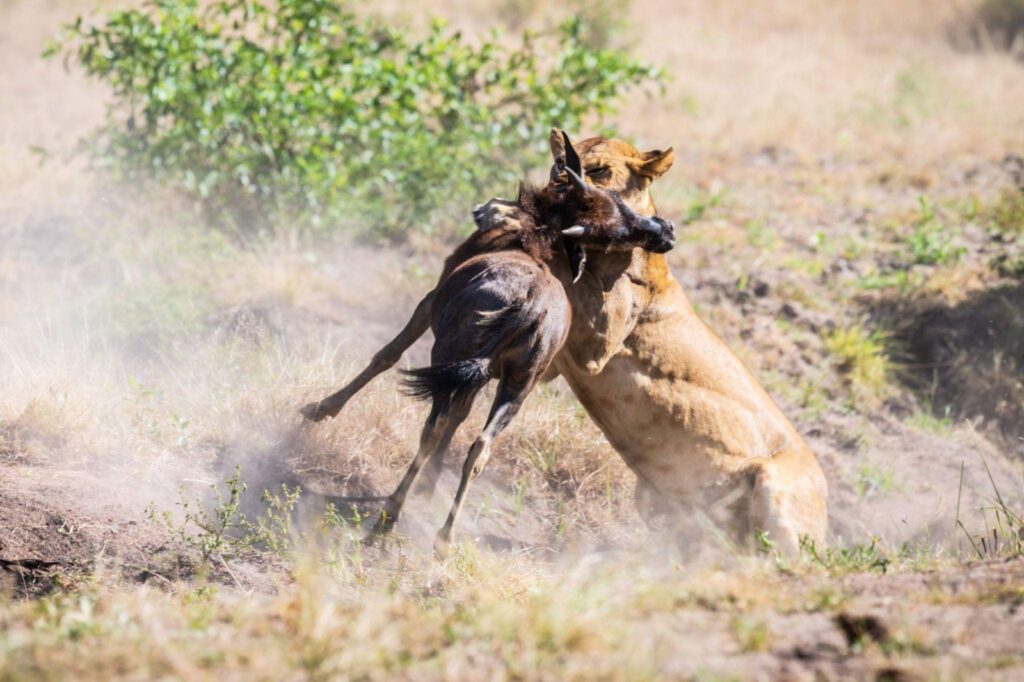
Females frequently perform much of the hunting. Males can play important roles in protecting pride territories.
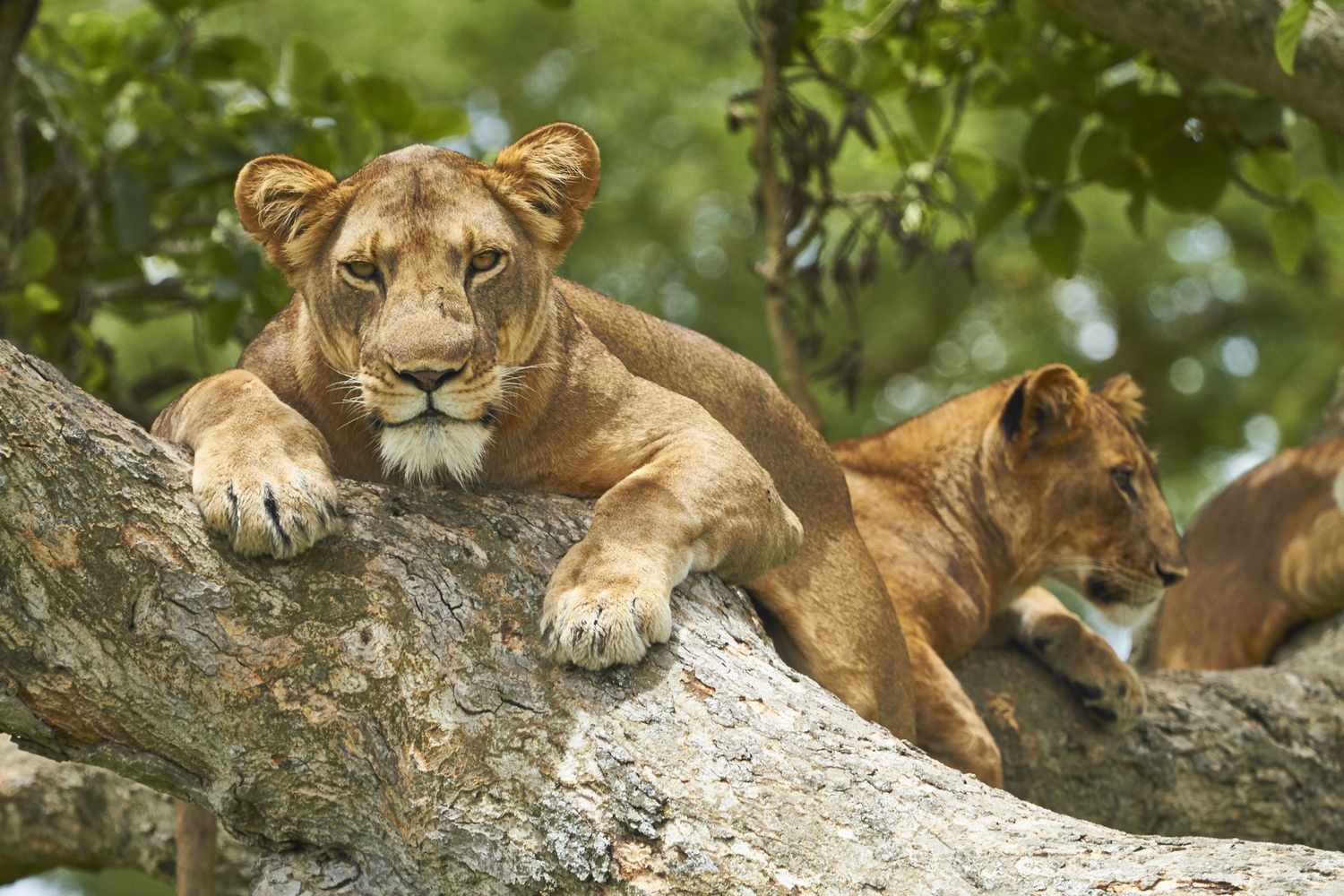
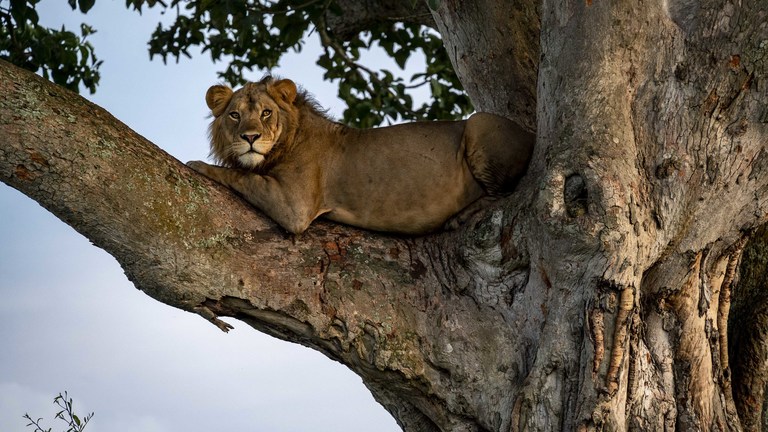
Lions spend considerable time resting. Their bodies require energy conservation between hunting opportunities.
Consequently, travelers may find lions lying beneath trees during daytime drives.
Social interactions can provide memorable viewing opportunities. Cubs playing, adults grooming, and pride members communicating reveal different aspects of lion behavior.
Territorial behavior can also create dramatic encounters.
A knowledgeable guide can explain these behaviors during game drives.
Learning these details transforms a simple sighting into an educational Uganda safari experience.
Lions of Uganda: Understanding Their Prey
Follow the Herbivore Populations
Lion distribution closely relates to prey availability.
Uganda’s savannah ecosystems support numerous herbivores. Uganda kob, buffaloes, antelopes, warthogs, and other species provide potential prey.
Areas with abundant herbivores can attract predators.
Therefore, guides often observe prey behavior when searching for lions.
Sudden alarm calls can indicate predator activity. Groups of antelopes may become unusually alert when lions approach.
Birds can also react to disturbances around predator activity.
Understanding these ecological relationships improves wildlife interpretation.
Rather than searching randomly, guides can assess the landscape and animal behavior.
This knowledge can increase the efficiency of predator searches.
Consequently, Lions of Uganda: Where and When to Spot Them becomes an ecological question rather than simply a sightseeing question.
Lions of Uganda: Where and When to Spot Them for Photography
Capture Memorable Predator Images
Lion photography provides exciting opportunities during Uganda wildlife safaris.
Early morning light can create beautiful conditions for photographs. Late afternoon also offers softer natural light.
A camera with a suitable telephoto lens can help capture animals from a safe distance.
Travelers should never pressure guides to approach animals dangerously.
Ethical photography always places animal welfare first.
Patience also improves photographic opportunities. Lions may eventually stand, walk, yawn, groom, or interact with pride members.
These natural behaviors often produce better photographs than staged moments.
Visitors should also capture the surrounding landscape. Uganda’s savannah scenery can provide beautiful environmental portraits.
Therefore, lion photography becomes both an artistic and educational experience.
Lions of Uganda: Where and When to Spot Them With Leopards
Experience Uganda’s Big Cats
Uganda provides opportunities to search for several African big cats.
Lions represent the most social of the major cats. Leopards generally live more solitary lives.
Leopards also rely heavily on camouflage. Their spotted coats can make them extremely difficult to detect.
Queen Elizabeth and Murchison Falls provide opportunities to search for both species.
Kidepo adds another exciting dimension through its remote wilderness setting.
Cheetahs also occur in Kidepo Valley National Park. Their presence makes the park especially attractive to big-cat enthusiasts.
Combining several destinations can therefore provide a broader predator experience.
For serious wildlife travelers, this creates exceptional Uganda wildlife safaris.
Wildlife Safaris in Uganda
Lions of Uganda: Where and When to Spot Them With Other Wildlife
Build a Diverse Safari
A lion-focused journey should include more than predators.
Uganda supports remarkable wildlife diversity. Elephants, buffaloes, giraffes, hippos, antelopes, primates, and birds create varied safari experiences.
Queen Elizabeth National Park provides excellent opportunities for combining game drives and boat cruises.
Murchison Falls combines wildlife with the Nile River and spectacular waterfalls.
Kidepo offers remote landscapes and unique wildlife diversity.
Kibale National Park adds chimpanzee tracking to a longer itinerary. Bwindi Impenetrable National Park provides opportunities for mountain gorilla trekking.
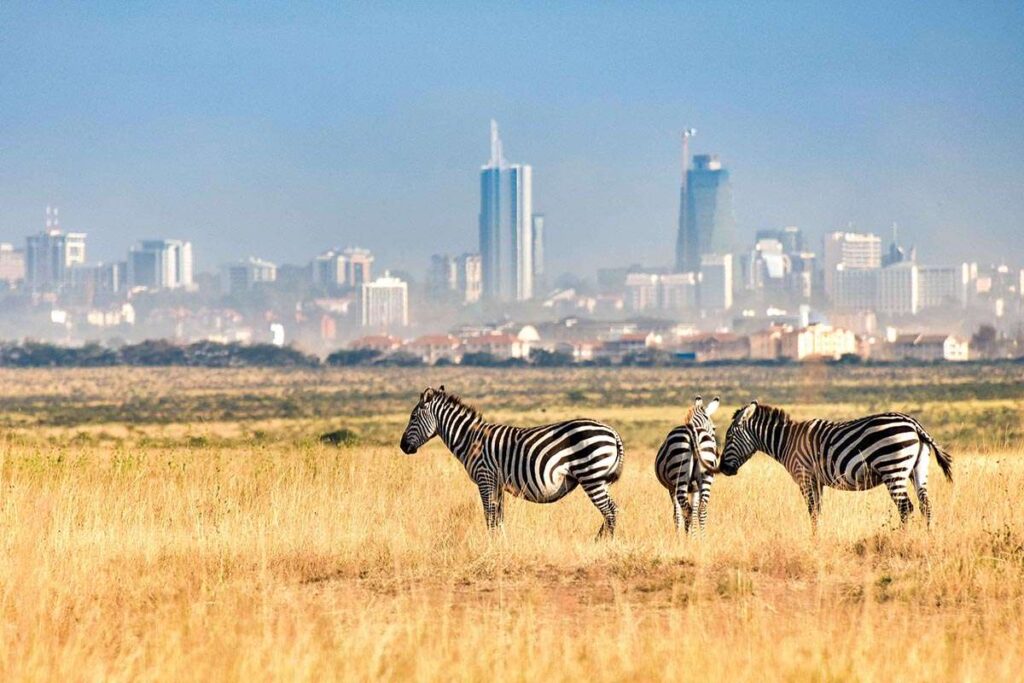
Lake Mburo National Park offers zebra viewing, birdwatching, and walking experiences.
Therefore, one carefully designed Uganda safari can provide an extraordinary range of activities.
Lions of Uganda: Where and When to Spot Them Responsibly
Protect Uganda’s Predators
Responsible wildlife tourism helps protect Uganda’s lion populations.
Visitors should maintain safe distances from lions. Safari vehicles should follow park regulations and guide instructions.
Never attempt to attract lions for photographs. Avoid loud noises that may disturb resting animals.
Drivers should also avoid crowding wildlife. Responsible viewing allows animals to continue natural behavior.
Travelers can support conservation by choosing responsible safari operators.
Community-based tourism can also provide economic benefits around protected areas.
These benefits can strengthen local support for wildlife conservation.
Reducing plastic waste also protects natural habitats.
Therefore, every visitor can contribute to Uganda’s conservation future.
How to Improve Your Chances of Seeing Lions in Uganda
Practical Safari Advice
Several strategies can improve your chances of finding lions.
Choose a destination with suitable lion habitat. Queen Elizabeth, Murchison Falls, and Kidepo offer strong options.
Spend multiple days within wildlife areas. More game drives create additional opportunities.
Start drives early when possible. Morning conditions can support productive wildlife viewing.
Schedule afternoon drives as well. Predators often become more active as temperatures fall.
Listen carefully to your guide. Local knowledge can help identify fresh wildlife activity.
Carry binoculars for scanning distant vegetation. A camera can also capture memorable encounters.
Remain patient during quiet periods. Wildlife does not follow visitor schedules.
Most importantly, maintain realistic expectations. No ethical safari company can guarantee a lion sighting.
Lions of Uganda: Where and When to Spot Them on a Multi-Park Safari
Explore More Than One Wildlife Destination
Travelers with additional time can combine Uganda’s major wildlife parks.
A journey can begin in Murchison Falls National Park. Visitors can then continue toward Kibale National Park.
After chimpanzee tracking, travelers can proceed toward Queen Elizabeth National Park.
The journey can continue toward Bwindi for gorilla trekking.
Another route can focus on Kidepo Valley and northern Uganda.
Multi-park itineraries provide greater wildlife diversity. They also allow visitors to experience different landscapes.
However, travel distances should remain realistic.
A professional safari planner can balance driving time with activities.
This approach creates a more comfortable and rewarding Uganda wildlife tour.
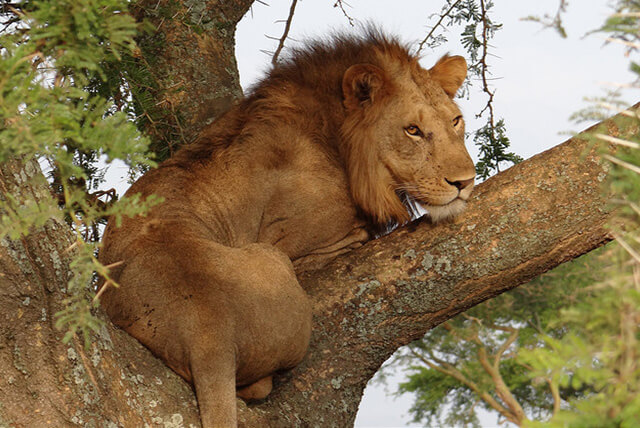
Queen Elizabeth National Park
Safari Inclusions
- Airport transfers
- Safari vehicle
- Professional safari guide
- Accommodation
- Meals as scheduled
- National park fees
- Game drives
- Bottled drinking water
- Cultural experiences
- Government taxes
- Selected activities
Safari Exclusions
- International flights
- Visa fees
- Travel insurance
- Personal expenses
- Alcoholic drinks
- Laundry services
- Tips and gratuities
- Optional activities
- Souvenirs
- Items of a personal nature
Why Choose Frena Adventures?
Your Trusted Uganda Safari Partner
Frena Adventures creates personalized wildlife journeys across Uganda and East Africa.
Our approach combines destination knowledge, careful planning, and responsible tourism.
We understand that wildlife sightings remain unpredictable. Therefore, we build realistic itineraries around seasonal conditions and wildlife habitats.
Our team can help travelers choose suitable destinations for lion viewing.
We can also combine wildlife experiences with gorilla trekking, chimpanzee tracking, boat cruises, birdwatching, and cultural activities.
Couples, families, photographers, groups, and solo travelers can enjoy customized journeys.
Our goal involves creating meaningful experiences rather than simply moving travelers between destinations.
For visitors seeking Uganda wildlife safaris, we provide opportunities to explore Uganda’s remarkable biodiversity.
Travelers interested in Uganda adventure safaris can also enjoy walking experiences, boat adventures, forest activities, and cultural encounters.