
Why Choose Chimpanzee Tracking in Uganda, Rwanda, or Tanzania?
September 8, 2026
The Secret Lives of Uganda’s Elephants
September 11, 2026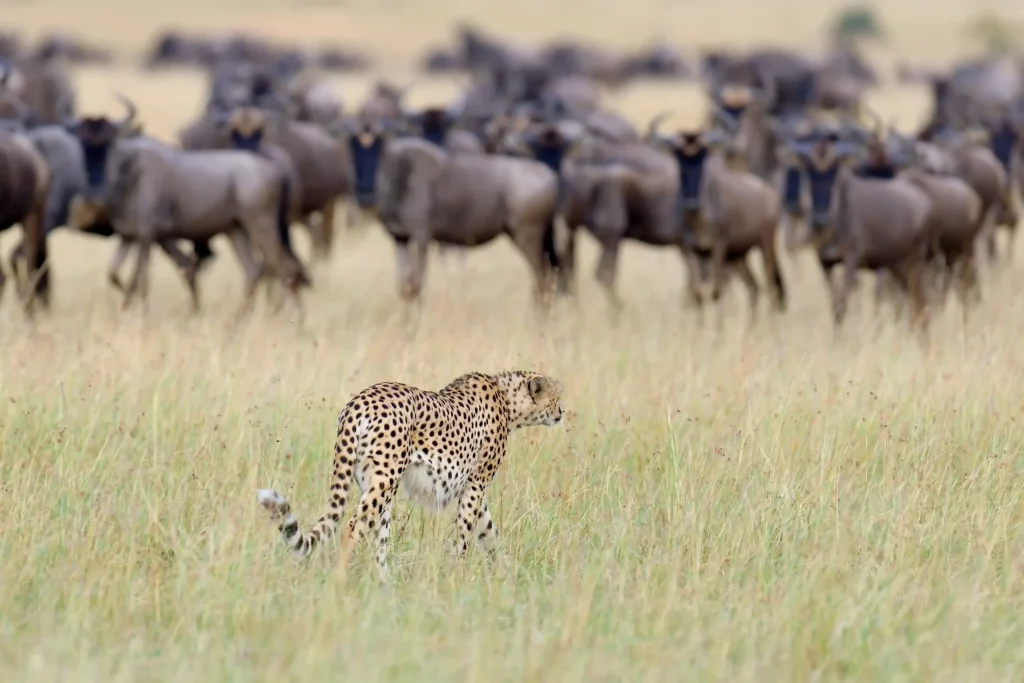
The Importance of Fresh Grass to Migrating Wildebeest
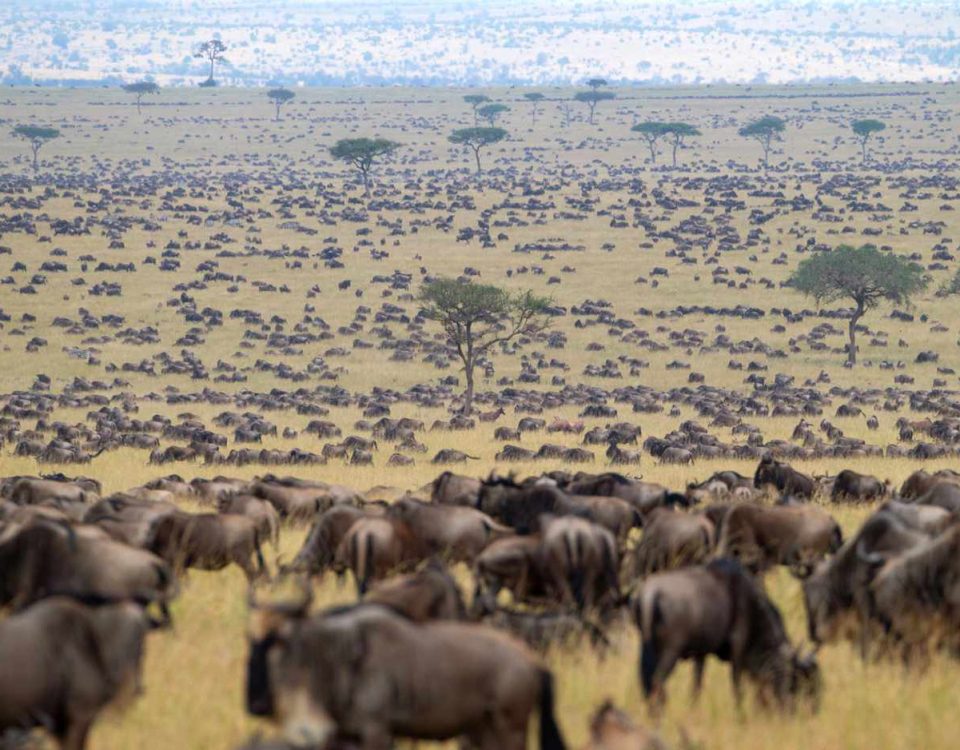
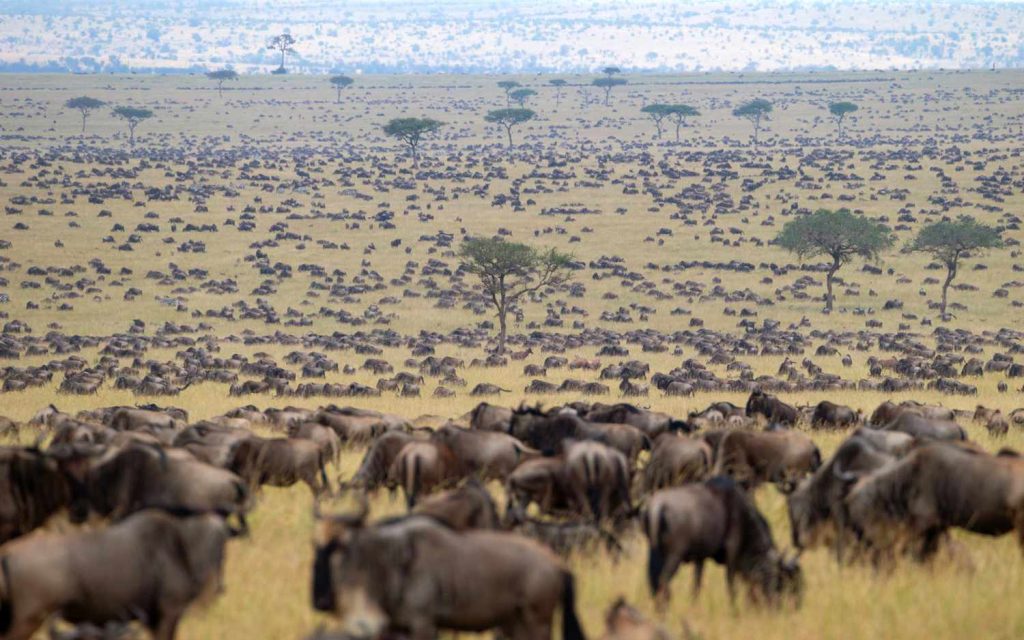
Tanzania safaris consistently rank among the world’s most sought-after wildlife experiences, and the Great Migration explains why. The Importance of Fresh Grass to Migrating Wildebeest sits at the very heart of this natural phenomenon. Frena Adventures has guided countless travelers through this remarkable ecological story across the Serengeti. Nearly two million wildebeest move constantly, chasing rainfall and the nutrient-rich grass that follows it. This single behavioral pattern shapes almost every Tanzania wildlife safari itinerary built around migration viewing.
Why This Topic Matters to Every Traveler
Understanding grass quality helps travelers appreciate why timing shapes every successful Tanzania safari experience. The Importance of Fresh Grass to Migrating Wildebeest connects directly to predator behavior, calving season, and river crossings. Tanzania wildlife safaris built around this cycle require genuine ecological knowledge rather than guesswork. Frena Adventures combines decades of local expertise with up-to-date migration tracking. Consequently, our Tanzania adventure safaris consistently position travelers exactly where wildebeest herds concentrate. Below, we explore why fresh grass drives this migration, how rainfall shapes the cycle, and which cultural experiences complement any Tanzania safari built around this phenomenon.
The Nutritional Science Behind The Importance of Fresh Grass to Migrating Wildebeest
Protein-Rich Shoots Fuel Massive Herds
Fresh grass shoots contain significantly higher protein levels than older, more mature vegetation. Wildebeest instinctively seek these nutrient-dense shoots, since their digestive systems process short grass most efficiently. Mature grass, though abundant, offers considerably less nutritional value per mouthful consumed. Consequently, herds abandon grazed areas quickly, moving toward regions where recent rainfall has triggered new growth. This constant movement explains why Tanzania safaris require flexible scheduling around unpredictable weather patterns.
Calcium and Phosphorus Requirements
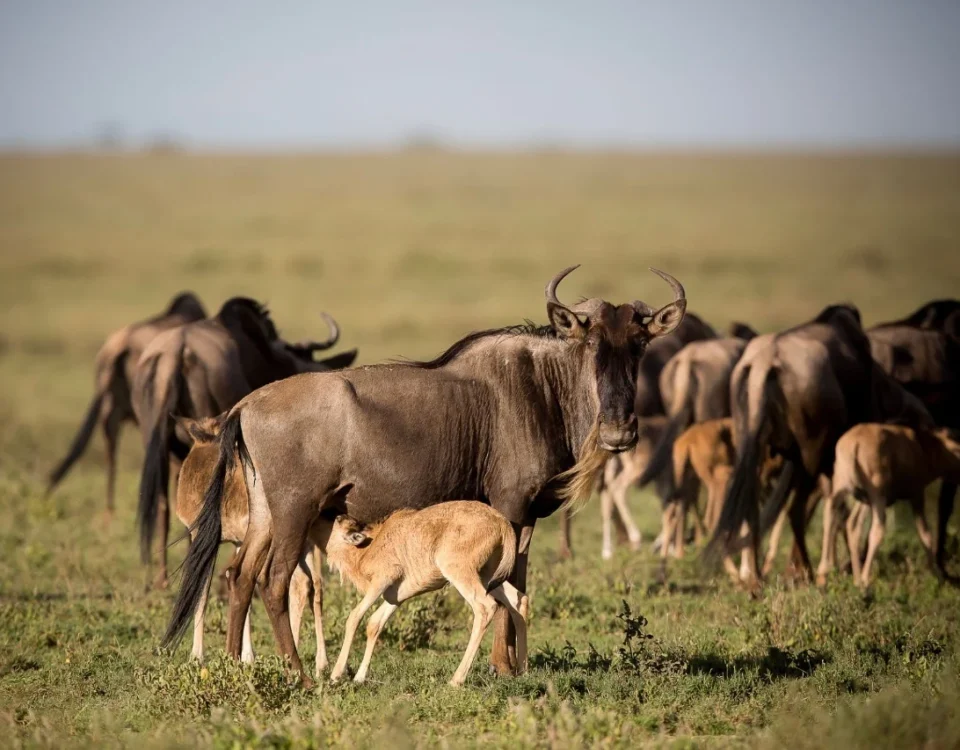
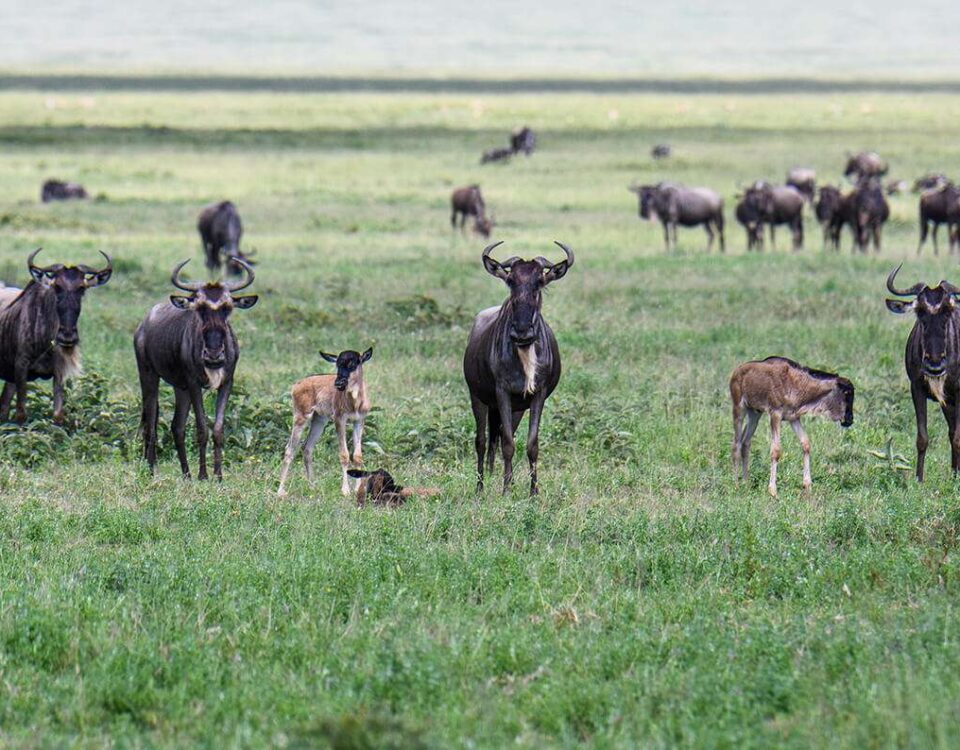
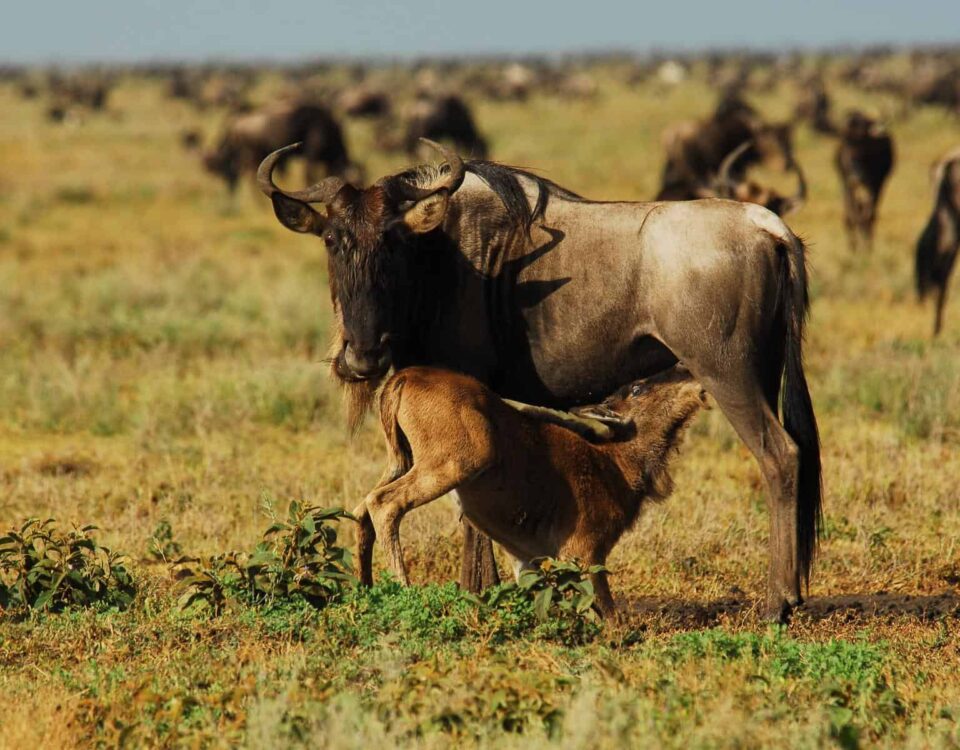
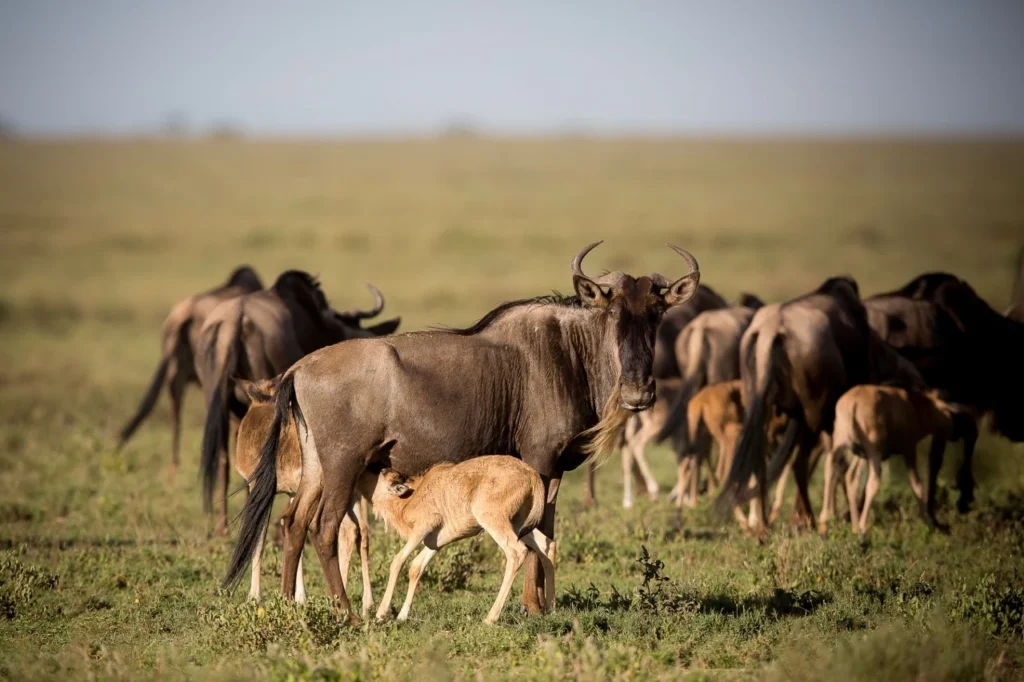
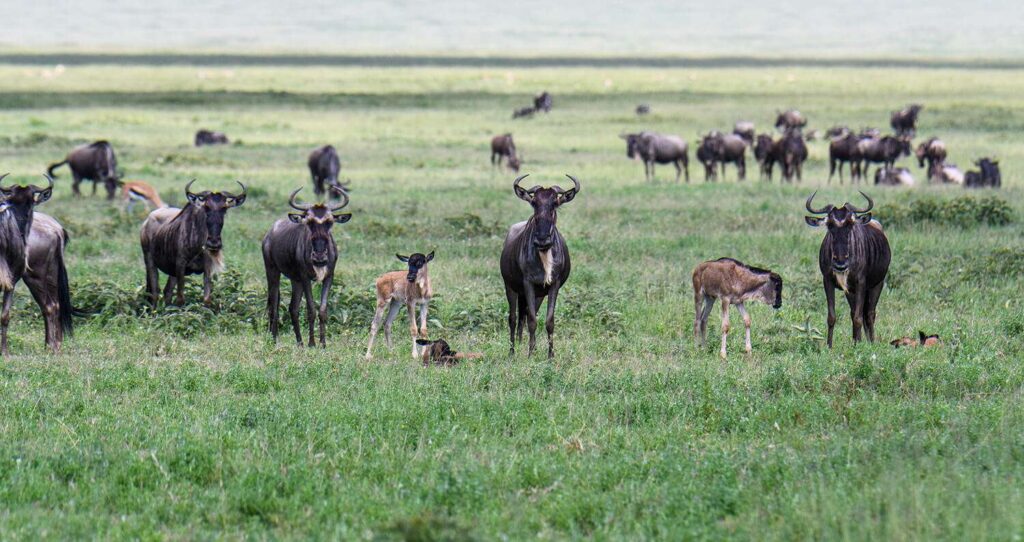
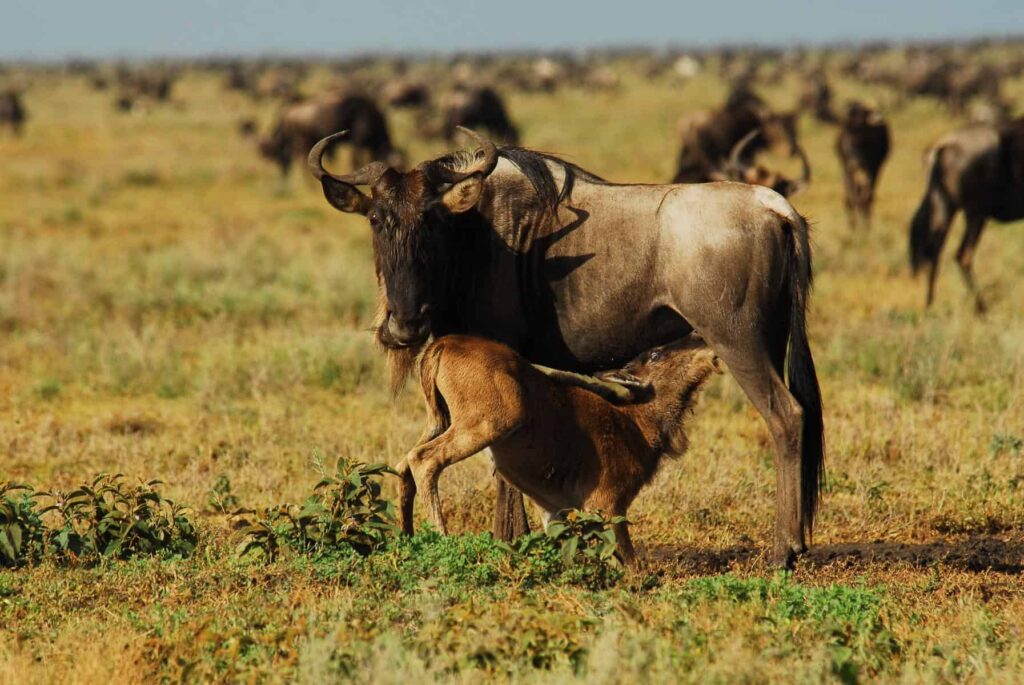
Nursing females require additional calcium and phosphorus to support rapid calf growth after birth. Fresh volcanic soil grasses across the southern Serengeti and Ngorongoro Conservation Area provide these minerals abundantly. This nutritional advantage explains why nearly 500,000 calves arrive within just a few weeks each year. Frena Adventures times many Tanzania wildlife tours specifically around this dramatic calving season. Witnessing thousands of newborn calves alongside their mothers remains a genuine highlight for most travelers. This nutritional dependency ultimately drives every subsequent movement across the wider migration circuit throughout the year.

8 Day Kenya Massai Mara Safari
How Rainfall Patterns Shape The Importance of Fresh Grass to Migrating Wildebeest
Southern Serengeti Rains Begin the Cycle
Short rains typically arrive across the southern Serengeti and Ngorongoro region between November and December. These rains trigger rapid grass growth across volcanic plains, drawing massive herds toward calving grounds. Wildebeest then remain within this region through the following February and March. Fresh grass availability directly determines herd density, since animals cluster wherever rainfall proves most consistent.
Northward Movement Toward Fresh Grazing
As southern grasses become depleted, herds begin moving northward toward central and western Serengeti regions. This transition typically occurs between April and June, coinciding with the long rainy season. Grass regeneration along this route determines exact timing, since herds rarely move without adequate reason. Tanzania safaris scheduled during this period often showcase dramatic herd movements across open grassland. Frena Adventures monitors these patterns closely, adjusting itineraries to match actual grass conditions. Eventually, herds reach the Mara River, where fresh grass across the northern Serengeti and Maasai Mara awaits. This final push demonstrates how thoroughly grass quality governs the entire annual migration cycle.
13 Days Migration and Uganda Gorilla Safari
River Crossings and The Importance of Fresh Grass to Migrating Wildebeest
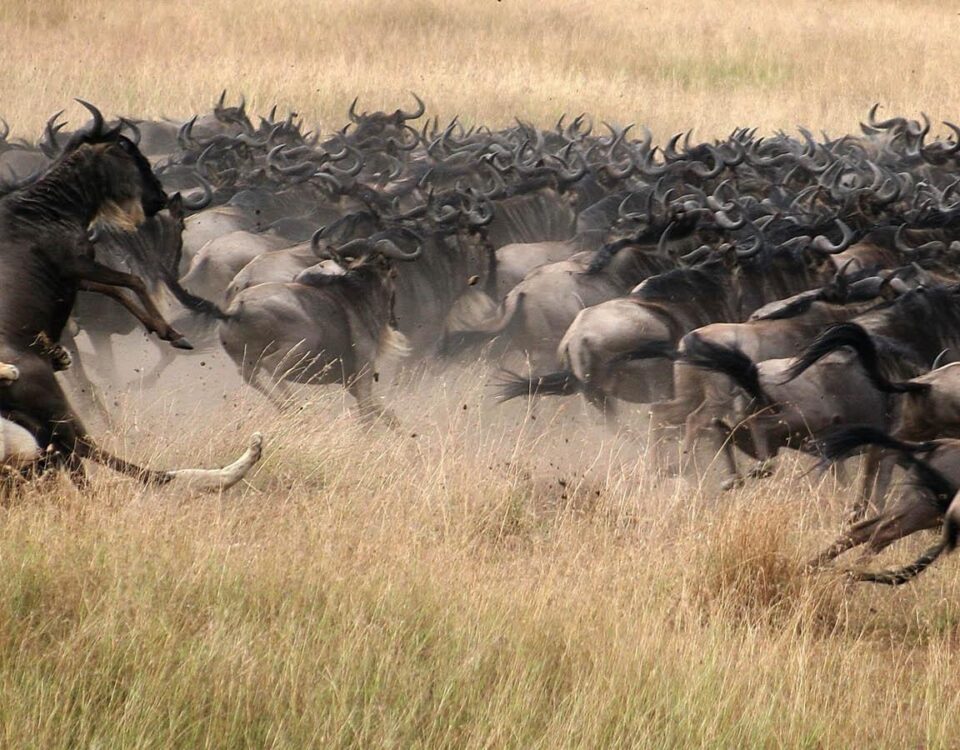
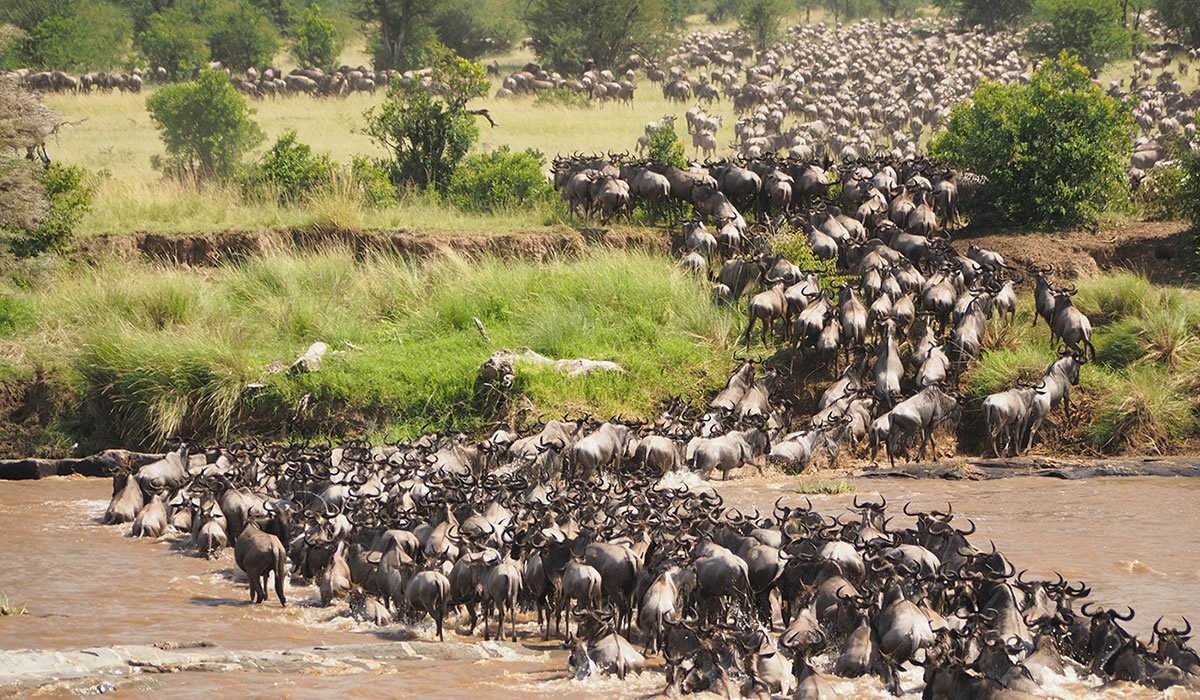
Dramatic Mara River crossings capture global attention, yet grass availability remains the underlying motivation. Herds cross dangerous, crocodile-filled waters specifically because fresher grazing awaits on the opposite bank. This behavior demonstrates how powerfully grass quality overrides even significant survival risks. Tanzania wildlife safaris timed around July through October frequently witness these dramatic crossing events. Frena Adventures positions guests strategically along likely crossing points based on grass conditions upriver.
Herds eventually return southward as rains shift back toward the southern plains once again. This cyclical pattern repeats annually, entirely governed by rainfall and subsequent grass regeneration patterns. Understanding this connection transforms how travelers interpret migration behavior during any Tanzania safari experience. Rather than random movement, every herd decision reflects careful, instinctive responses to changing grass conditions. This insight adds genuine depth to what might otherwise appear as simple wildlife spectacle. Frena Adventures believes this ecological literacy strengthens every guest’s overall safari experience significantly.
Cultural Experiences Around Serengeti and Ngorongoro Safari Lodges
Maasai communities have coexisted alongside migrating wildebeest for countless generations across this region. Village visits near many safari lodges reveal traditional cattle-herding practices adapted to similar grass-seeking patterns. Guests often notice striking parallels between Maasai livestock movement and wildebeest migration behavior nearby. Traditional dance performances, bead-working demonstrations, and storytelling sessions add cultural depth to any Tanzania adventure safari.
Local guides frequently share generational knowledge about rainfall patterns and grass conditions across this landscape. This traditional ecological knowledge often predates modern migration tracking by many decades. Coffee tastings near Ngorongoro’s highland farms introduce guests to another dimension of Tanzania’s agricultural heritage. Market visits in nearby towns showcase textiles, crafts, and produce reflecting the region’s broader cultural identity. Frena Adventures values these cultural touchpoints as essential complements to wildlife-focused Tanzania safaris. Together, culture and ecology create a richer, more meaningful understanding of this remarkable landscape.
Why This Knowledge Strengthens Every Tanzania Safari Booking
Timing Determines Migration Viewing Success
Travelers who understand grass-driven migration patterns make significantly better decisions about when to visit. The Importance of Fresh Grass to Migrating Wildebeest ultimately determines which month suits specific viewing goals. Calving season, river crossings, and southern plains grazing each occur during distinct, predictable windows. Frena Adventures translates this ecological knowledge into practical, personalized itinerary planning.
Building Trust Through Genuine Expertise
Many operators promote migration safaris without genuine understanding of underlying ecological drivers. Frena Adventures instead grounds every recommendation in verified rainfall and grass condition data. This approach ensures Tanzania wildlife tours deliver realistic expectations rather than exaggerated marketing promises. Guests consistently report greater satisfaction when guides explain the reasoning behind herd locations. This transparency builds lasting trust between travelers and our team across every Tanzania safari we design. Choosing an operator who understands The Importance of Fresh Grass to Migrating Wildebeest ultimately means better sightings and deeper appreciation.
13 Days Migration and Uganda Gorilla Safari
Predator Behavior Linked to Grass-Driven Herd Movement
Lions and Cheetahs Follow the Herds
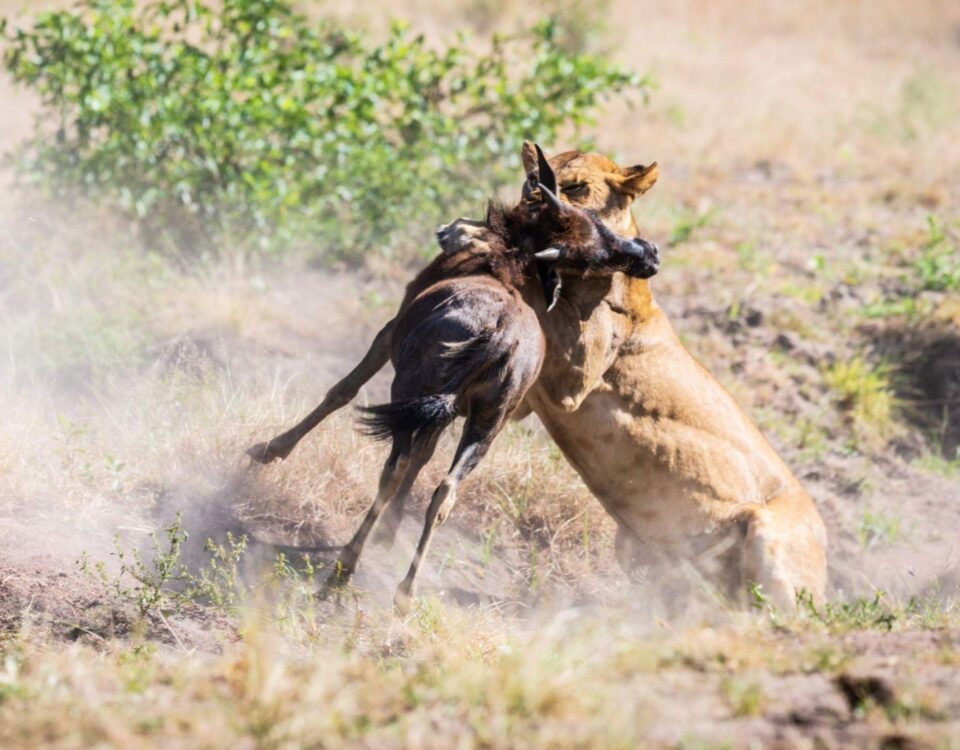
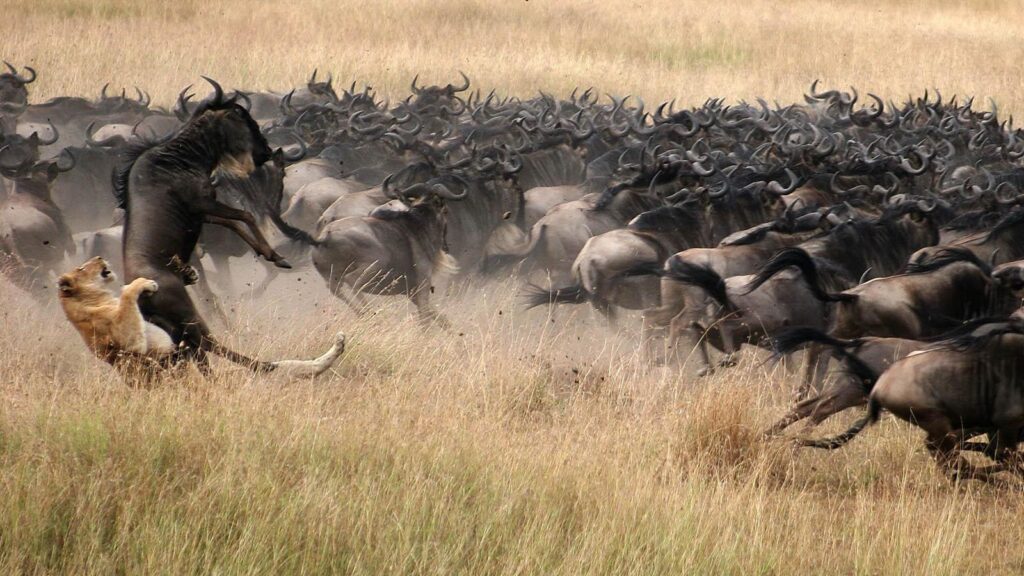
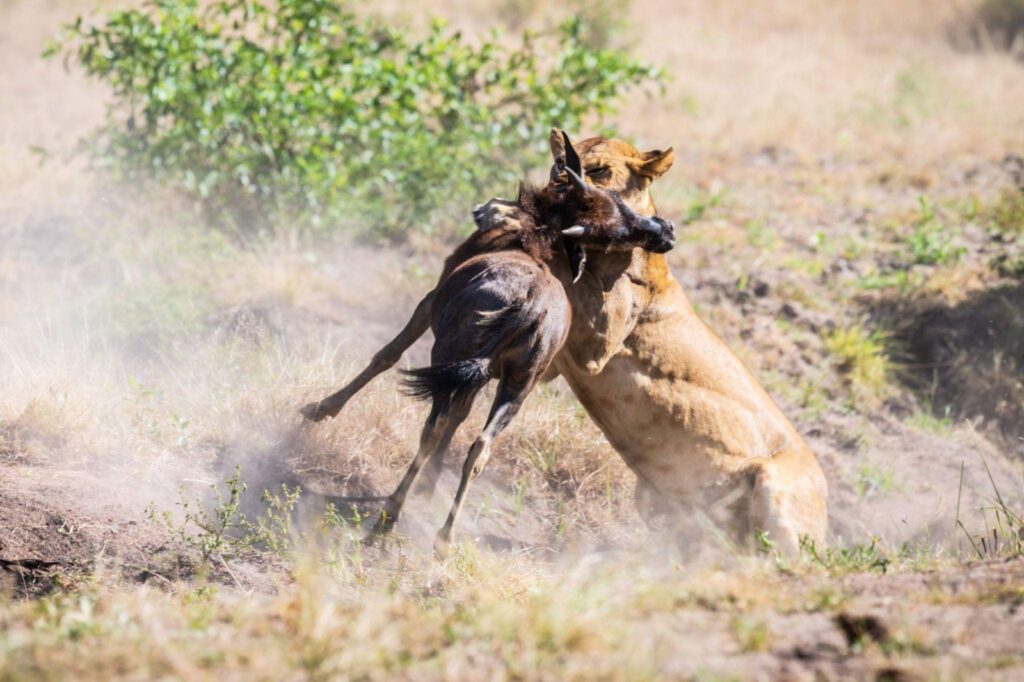
Predators across the Serengeti ecosystem time their own movements around wildebeest concentrations closely. Lions, cheetahs, and hyenas cluster wherever fresh grass draws the largest, most vulnerable herds together. This predator-prey relationship adds another compelling layer to any Tanzania wildlife tour focused on migration viewing. Frena Adventures guides often position game drives near recent grazing areas for this reason.
A Complete Ecosystem Built Around Grass
Vultures, jackals, and other scavengers similarly depend on this same grass-driven migration cycle indirectly. The Importance of Fresh Grass to Migrating Wildebeest therefore extends far beyond the wildebeest themselves. Every trophic level within this ecosystem ultimately traces back to rainfall and grass regeneration patterns. Understanding this web of dependency helps travelers appreciate Tanzania safaris as complete ecological stories. Frena Adventures designs Tanzania adventure safaris to highlight these connections throughout every game drive.
Safari Inclusions
- Professional English-speaking safari guide
- 4×4 safari vehicle with pop-up roof
- Park entrance fees
- Accommodation as per itinerary
- All meals during the safari
- Bottled water during game drives
- Airport transfers
- Cultural village visit fees
Safari Exclusions
- International flights
- Visa fees
- Travel insurance
- Personal expenses and souvenirs
- Alcoholic beverages
- Tips and gratuities
- Optional hot air balloon safari
- Laundry services
Final Thoughts on The Importance of Fresh Grass to Migrating Wildebeest
Fresh grass ultimately explains nearly every migration decision made by wildebeest throughout the year. The Importance of Fresh Grass to Migrating Wildebeest connects rainfall, nutrition, predator behavior, and calving into one interconnected story. Tanzania safaris built around this understanding consistently deliver deeper, more meaningful wildlife encounters. Furthermore, cultural experiences across Maasai communities add irreplaceable context to this ecological narrative. Travelers seeking genuinely informed Tanzania wildlife safaris will find that knowledge transforms simple sightseeing into lasting understanding.
Frena Adventures remains committed to sharing this expertise across every itinerary we design. Grass conditions, rainfall data, and decades of guiding experience shape our recommendations continuously. Choosing an operator who genuinely understands The Importance of Fresh Grass to Migrating Wildebeest means choosing better sightings. Book your next Tanzania adventure safari with Frena Adventures today, and witness this remarkable natural cycle through the eyes of trusted local experts. Reach out to our team, and let us build your ideal migration-focused journey.