Do Birding Safaris in Kenya Require a Specialist Guide?
March 7, 2026
When Does the Great Migration Enter the Maasai Mara?
March 7, 2026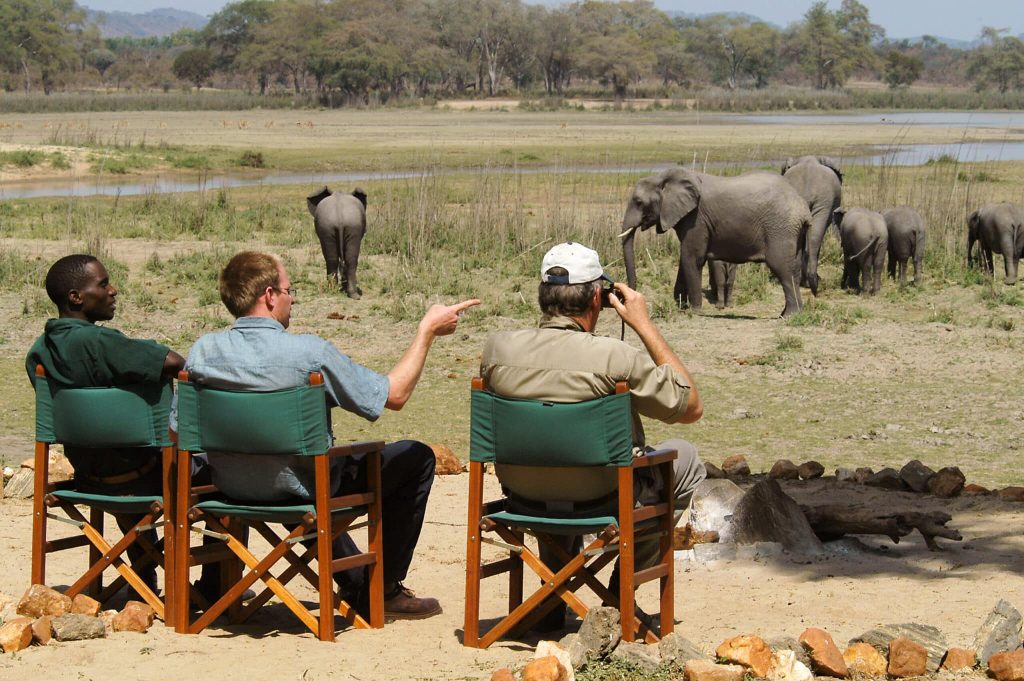
What Equipment Should I Bring for a Birding Safari in Kenya?
Why Is Proper Equipment Essential for Kenya Birding Safaris?
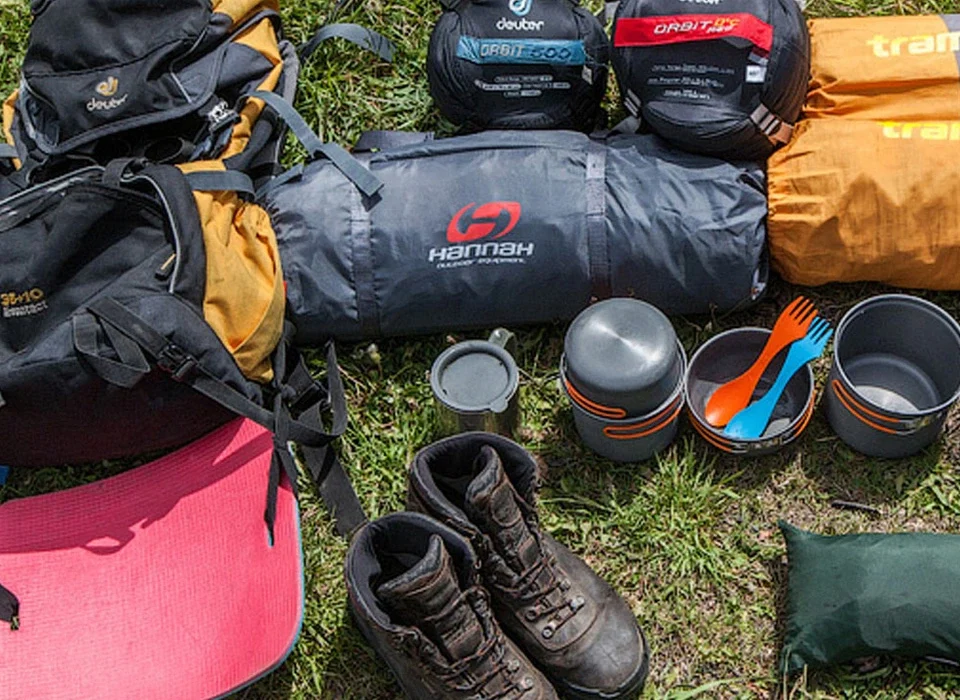
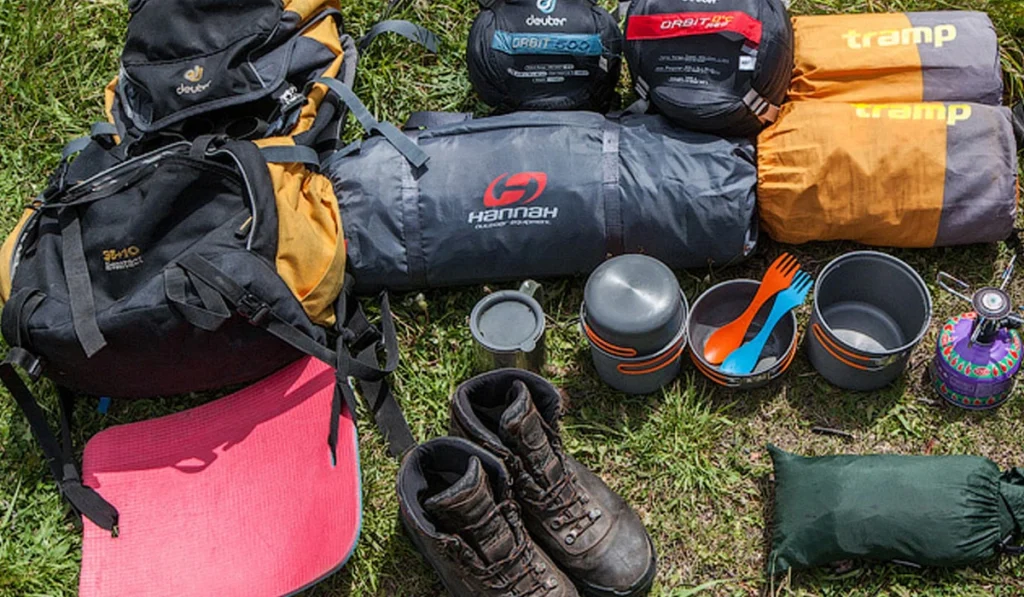
Kenya Birding Safaris provide an extraordinary opportunity to explore the country’s rich avian biodiversity while enjoying the iconic landscapes of East Africa. Travelers undertaking a Kenya Best Safari must understand that proper equipment is crucial for optimizing both comfort and observation. Essential gear ensures visitors can identify rare and endemic bird species such as the Taita thrush, Hinde’s babbler, and Clarke’s weaver, while also capturing high-quality photographs. Binoculars with a minimum 8×42 magnification are recommended for detailed birdwatching across diverse habitats including Maasai Mara National Reserve, Lake Naivasha, and Aberdare National Park. Complementary optical devices, such as spotting scopes, enhance long-distance observation, especially for migratory species during Great Migration Safaris. Clothing should prioritize lightweight, breathable materials in neutral earth tones to reduce disturbance to wildlife, combined with sun hats, moisture-wicking shirts, and waterproof jackets for variable weather conditions. Cultural engagement also plays a role in Kenya Birding Safaris; Kenya Cultural Safaris provide opportunities to visit Maasai and Samburu villages, where proper attire ensures respectful interaction. Accessibility to birding locations is facilitated through Nairobi’s international airport, followed by domestic flights or private road transfers to lodges like Sweetwaters Serena Camp, Angama Mara, or Governors’ Camp. Travelers can expect guided early morning and late afternoon excursions when bird activity peaks. Costs for Kenya Birding Safaris range from $450 to $1,200 per day, depending on lodge selection, itinerary, and included experiences. Frena Adventures ensures that each safari is optimized with expert advice on equipment and preparation, combining cultural immersion with world-class birdwatching.
Which Cameras and Optical Tools Are Best for Birding Safaris in Kenya?
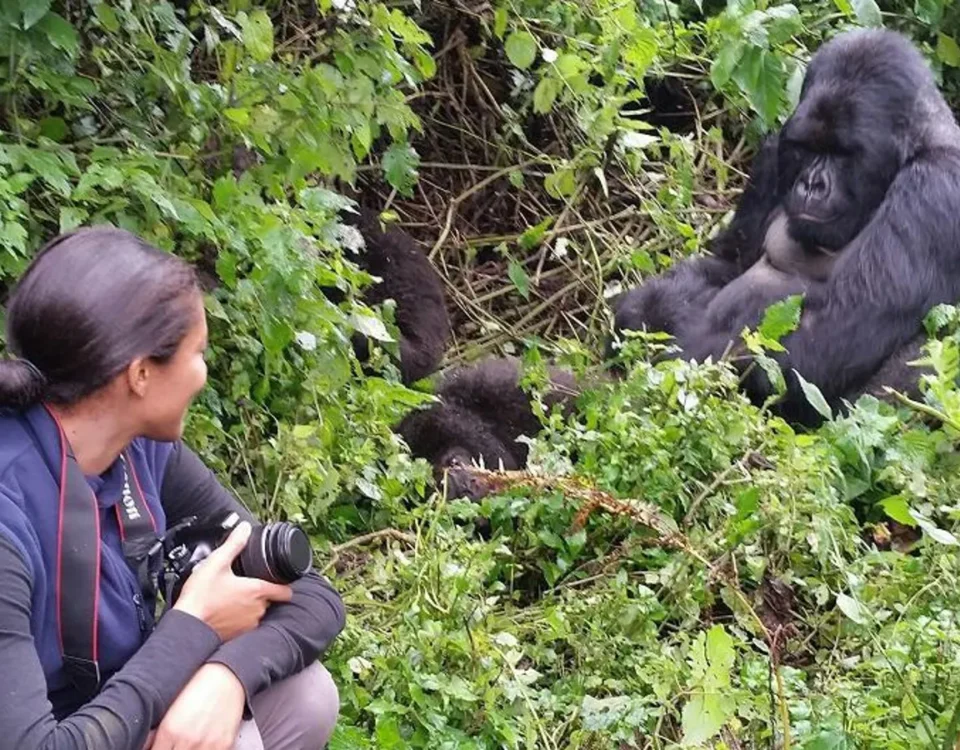
High-quality cameras and optical tools play a central role in Kenya Birding Safaris, allowing enthusiasts to capture rare and endemic species in natural habitats. DSLR or mirrorless cameras with telephoto lenses, ideally 300mm or higher, enable detailed photography of elusive birds such as the African grey hornbill, African fish eagle, and European bee-eater. Binoculars remain indispensable for spotting species in dense foliage or at long distances, with 8×42 or 10×42 magnification providing clear and bright images. Spotting scopes are recommended for early morning observation, offering exceptional clarity for identifying plumage patterns and mating behaviors. Lodge selection enhances accessibility to observation points, with Angama Mara, Mara Serena Safari Lodge, and Sweetwaters Serena Camp providing strategic locations near bird hotspots. Photography workshops and guided excursions by professional ornithologists maximize learning opportunities, ensuring travelers capture both birds and mammals in their habitat during Kenya Safaris. Cultural immersion complements visual experiences; Kenya Cultural Safaris allow travelers to photograph traditional Maasai and Samburu practices, beadwork, and dances respectfully. Transfers from Nairobi via domestic flights or private vehicles provide convenient access to these destinations. Expectations include daily guided walks, full-day game drives, and early sunrise excursions, allowing guests to witness both migratory and resident species. Costs vary depending on lodge and itinerary, ranging from $450 to $1,400 per day. Frena Adventures ensures travelers receive guidance on camera selection, optical equipment, and photography techniques, establishing expertise and trustworthiness in Kenya Birding Safaris.
What Clothing and Personal Gear Should I Pack for a Kenya Birding Safari?
Clothing and personal gear are critical for comfort and safety during Kenya Birding Safaris. Lightweight, breathable fabrics in muted earth tones reduce disturbance to wildlife, while layered clothing accommodates fluctuating morning and evening temperatures in Maasai Mara, Amboseli, and Lake Naivasha. Waterproof jackets and quick-dry trousers are essential for the occasional green season rains, ensuring travelers remain comfortable during guided excursions. Sturdy walking shoes or boots provide traction on uneven terrain, while hats, sunglasses, and high-SPF sunscreen protect against strong equatorial sunlight. Insect repellents, reusable water bottles, and compact first-aid kits further enhance preparedness, particularly in wetland areas like Lake Naivasha where mosquitoes may be present. Cultural considerations remain important; Kenya Cultural Safaris involve interactions with local communities, making modest and respectful clothing essential. Lodges such as Sweetwaters Serena Camp, Governors’ Camp, and Angama Mara are strategically located near prime birding sites, allowing minimal transit and maximized field time. Travelers can reach these destinations via Nairobi, with options including domestic flights, private transfers, or guided vehicles. Expectations include early morning birding walks, late afternoon game drives, and opportunities for photography and wildlife observation. Costs typically range from $450 to $1,400 per day, depending on lodge, duration, and package inclusions. Frena Adventures provides expert advice on personal gear, clothing, and preparation to ensure guests enjoy Kenya Birding Safaris safely, comfortably, and with maximum observational success.
Which Field Guides, Journals, and Accessories Enhance Birdwatching Experiences?
Field guides, notebooks, and digital tools enhance the educational value of Kenya Birding Safaris, helping travelers identify rare and endemic species accurately. Comprehensive field guides such as “Birds of East Africa” or mobile apps provide details on plumage, habitat, and calls for species like the Taita thrush, Hinde’s babbler, and Fischer’s lovebird. Field journals allow birders to record sightings, behavior, and notes for future reference, complementing guided identification by experienced ornithologists. Accessories such as GPS devices, portable chargers, and small daypacks improve convenience and organization during full-day excursions in Maasai Mara, Lake Naivasha, and Aberdare National Park. Kenya Cultural Safaris integrate these experiences by enabling travelers to document cultural interactions, beadwork processes, and traditional ceremonies with care and respect. Accessibility is straightforward via Nairobi, with domestic flights or private transfers to lodges minimizing travel time to key birding sites. Expectations include guided walks, wildlife observation, photography, and cultural immersion activities, providing a comprehensive Kenya Birding Safari. Costs vary based on accommodation, duration, and inclusions, ranging from $450 to $1,400 per day. Frena Adventures ensures each birding safari is enhanced with recommended field guides, note-taking practices, and accessories, positioning the company as a trusted authority in Kenya Safaris and specialized birdwatching experiences.
Why Choose Frena Adventures for Your Kenya Birding Safari?
Frena Adventures provides expert-guided Kenya Birding Safaris, combining wildlife observation, rare and endemic birdwatching, and cultural engagement into a seamless experience. Lodges such as Angama Mara, Sweetwaters Serena Camp, and Mara Serena Safari Lodge are strategically chosen to provide immediate access to prime birding areas, including Maasai Mara, Lake Naivasha, and Aberdare National Park. Travelers benefit from advice on essential equipment, including binoculars, cameras, spotting scopes, clothing, and field guides, ensuring optimal comfort and observation success. Kenya Cultural Safaris complement the experience, offering visits to Maasai and Samburu villages to witness traditional dances, beadwork, and pastoral practices, highlighting the interconnection between humans, wildlife, and conservation. Accessibility is streamlined via Nairobi, with domestic flights and private transfers facilitating travel to national parks and reserves. Expectations include early morning and late afternoon birdwatching walks, full-day game drives, photography, and cultural immersion activities. The best time for Kenya Birding Safaris aligns with migratory patterns, with dry season months from July to October offering prime observation opportunities, while green season months from April to May provide lush habitats for aquatic and forest species. Costs typically range from $450 to $1,400 per day per person depending on lodge, duration, and package inclusions. Frena Adventures ensures authoritative guidance, curated itineraries, and immersive birding experiences, positioning the company as a reliable, expert provider of Kenya Safaris and specialized birding adventures.