Can Families with Children Join Rwanda–Uganda Safaris?
June 5, 2026
What Is the East Africa Tourist Visa and How Does It Work?
June 5, 2026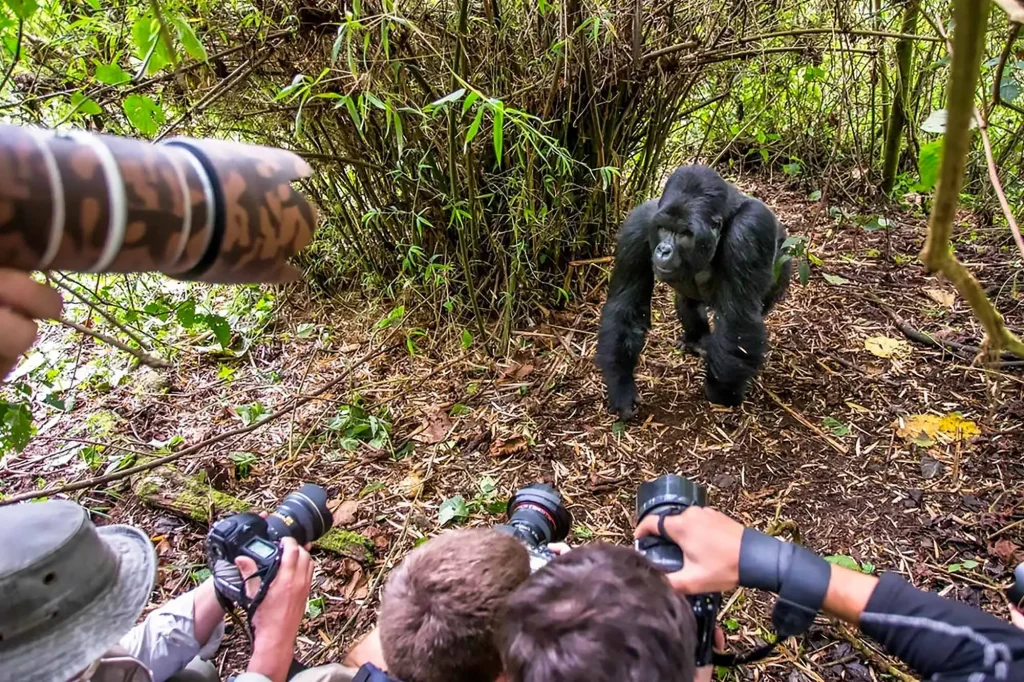
What Photography Rules Should Travelers Follow During Gorilla Trekking?
Why Understanding Photography Rules During Gorilla Trekking Matters
One of the most frequently asked questions among wildlife enthusiasts planning Gorilla Safaris is, What Photography Rules Should Travelers Follow During Gorilla Trekking? Capturing images of endangered mountain gorillas is undoubtedly one of the most rewarding wildlife photography experiences in Africa. Nevertheless, photographing these remarkable primates requires more than simply carrying a camera into the forest. Responsible photography is an essential component of conservation-focused tourism, ensuring that travelers enjoy memorable encounters while protecting the welfare of gorillas and preserving their natural behavior.
Across the renowned gorilla habitats of Rwanda and Uganda, strict photography guidelines have been established to safeguard these endangered species from unnecessary stress and disturbance. Every visitor participating in Rwanda Safaris, Rwanda Best Safaris, Uganda Safaris, and Uganda Best Safari experiences must understand that gorilla trekking is first and foremost a conservation activity. Photography comes second to respecting wildlife and maintaining the delicate balance that allows these extraordinary creatures to thrive in their natural environment.
Unlike zoo photography, gorilla trekking takes place deep within pristine rainforests where visitors enter the gorillas’ territory rather than the animals entering a controlled human space. Consequently, every movement, sound, and action by trekkers can influence the behavior of a gorilla family. Understanding proper photography etiquette helps create a safer environment for both travelers and wildlife while ensuring that future generations can continue enjoying authentic gorilla encounters.
Throughout Rwanda and Uganda, expert ranger guides provide detailed briefings before each trek. These instructions are designed to maximize visitor experiences while minimizing human impact. By following recommended photography practices, travelers not only capture breathtaking images but also contribute to sustainable tourism efforts that support conservation programs, local communities, and wildlife protection initiatives. Understanding What Photography Rules Should Travelers Follow During Gorilla Trekking? is therefore an important step toward becoming a responsible traveler and ethical wildlife photographer.
Why Is Following Photography Rules Important During Gorilla Trekking in Volcanoes National Park?
What Makes Photography Etiquette Essential in Rwanda’s Gorilla Habitat?
When discussing What Photography Rules Should Travelers Follow During Gorilla Trekking?, one destination stands out prominently in Rwanda Safaris: Volcanoes National Park. Famous worldwide for its mountain gorilla conservation success, this remarkable park offers travelers rare opportunities to observe gorillas within the breathtaking Virunga mountain range. Due to the close proximity between visitors and gorilla families, photography regulations play a crucial role in ensuring the animals remain comfortable and undisturbed throughout each encounter.
During gorilla trekking in Volcanoes National Park, one of the most important rules involves avoiding flash photography. Bright flashes can startle gorillas, interrupt natural behavior patterns, and create unnecessary stress among group members, particularly infants. Experienced rangers therefore require all visitors to disable camera flash settings before approaching a gorilla family. Maintaining a calm environment helps preserve authentic wildlife interactions while allowing photographers to capture more natural images.
Another essential guideline involves respecting the recommended viewing distance. Although gorillas occasionally move closer on their own, trekkers should never intentionally approach them for better photographs. Ethical wildlife photography prioritizes animal welfare over obtaining dramatic close-up shots. Professional guides continuously monitor interactions to ensure appropriate distances are maintained throughout the encounter.
Equally important is minimizing noise while taking photographs. Sudden movements, loud conversations, and excessive camera sounds can alter gorilla behavior and affect the experience for other visitors. Successful photographers often rely on patience rather than aggressive positioning to capture outstanding images. Through these responsible practices, travelers participating in Rwanda Best Safaris contribute directly to conservation efforts while enjoying one of Africa’s most extraordinary wildlife experiences.
How Should Travelers Photograph Gorillas Responsibly in Bwindi Impenetrable National Park?
What Are the Best Practices for Ethical Gorilla Photography in Uganda?
Another key destination that helps answer What Photography Rules Should Travelers Follow During Gorilla Trekking? is the world-renowned Bwindi Impenetrable National Park. Widely celebrated among travelers booking Uganda Safaris and Uganda Best Safari experiences, Bwindi is home to nearly half of the world’s remaining mountain gorilla population. Its ancient rainforest provides an exceptional setting for wildlife photography while emphasizing the importance of ethical visitor conduct.
Within Bwindi, travelers are encouraged to focus on natural observation before reaching for their cameras. Exceptional photographs often result from patiently studying gorilla behavior and anticipating meaningful moments rather than constantly taking pictures. Rangers frequently advise visitors to spend time appreciating the encounter firsthand before concentrating on photography. Such an approach allows travelers to remain present while producing more authentic wildlife images.
Health and safety considerations also influence photography regulations. Because mountain gorillas share a significant percentage of human DNA, they are highly susceptible to human diseases. Visitors should avoid moving too close for photographs and must follow all instructions regarding health protocols. Maintaining safe distances helps reduce potential disease transmission risks while supporting ongoing conservation efforts.
Furthermore, photographers should refrain from blocking paths, separating family members, or positioning themselves in ways that alter gorilla movement. Ethical photography means adapting to wildlife behavior rather than forcing wildlife to adapt to photographers. Respecting these principles creates better experiences for both animals and visitors while strengthening the conservation objectives that make Gorilla Safaris possible.
Through responsible conduct in Bwindi Impenetrable National Park, travelers become active participants in protecting one of Africa’s most treasured wildlife populations. Every image captured responsibly contributes to a broader conservation story that inspires future generations to value and protect endangered species.
What Equipment Is Recommended for Gorilla Trekking Photography?
Which Camera Gear Produces the Best Results Without Disturbing Wildlife?
Understanding What Photography Rules Should Travelers Follow During Gorilla Trekking? also includes choosing appropriate equipment. Gorilla trekking environments often involve dense vegetation, changing light conditions, and humid forest climates. Selecting suitable photography gear can significantly improve image quality while helping travelers remain respectful of wildlife.
Professional wildlife photographers generally recommend cameras capable of performing well in low-light conditions. Since rainforest canopies frequently limit sunlight, equipment with strong ISO performance allows photographers to capture detailed images without relying on flash. Zoom lenses are particularly valuable because they enable photographers to maintain safe distances while still obtaining impressive close-up photographs.
Weather protection is equally important during Gorilla Safaris. Waterproof covers, lens protection, and durable carrying systems help safeguard equipment against rain, mud, and forest moisture. Lightweight setups often prove more practical than carrying excessive gear during long treks through challenging terrain.
Additionally, silent shooting modes can reduce camera noise, helping maintain a peaceful atmosphere around gorilla families. Spare batteries and memory cards are highly recommended because opportunities to photograph mountain gorillas are rare and should not be interrupted by technical limitations. By selecting appropriate equipment and using it responsibly, travelers can enhance their photography experience while respecting conservation guidelines in both Rwanda and Uganda.
When Is the Best Time for This Safari?
Which Season Offers the Best Photography Conditions?
Travelers researching What Photography Rules Should Travelers Follow During Gorilla Trekking? often want to know when photography conditions are most favorable. Generally, the dry seasons from June to September and December to February provide the best opportunities for Gorilla Safaris in both Rwanda and Uganda.
During these months, forest trails are easier to navigate, visibility tends to be better, and photography equipment remains less exposed to heavy rainfall. Clearer weather also improves lighting conditions, allowing photographers to capture sharper and more vibrant images. Comfortable trekking conditions enhance the overall safari experience while increasing opportunities for successful wildlife photography.
Despite these advantages, gorilla trekking remains possible throughout the year. Rainy seasons often create lush green landscapes and dramatic forest scenery that many photographers find equally appealing. Choosing the right season ultimately depends on personal preferences, photography goals, and travel schedules.
Why Choose Frena Adventures for This Particular Safari?
What Makes Frena Adventures the Ideal Gorilla Trekking Partner?
Selecting the right safari company is essential when planning Gorilla Safaris and learning What Photography Rules Should Travelers Follow During Gorilla Trekking? At Frena Adventures, we combine destination expertise, conservation awareness, and personalized service to deliver exceptional gorilla trekking experiences in Rwanda and Uganda.
Our knowledgeable safari specialists provide comprehensive pre-trek guidance, ensuring every traveler understands photography regulations, conservation principles, and responsible wildlife viewing practices before entering the forest. Through years of experience organizing Rwanda Safaris, Rwanda Best Safaris, Uganda Safaris, and Uganda Best Safari adventures, we have developed carefully designed itineraries that prioritize safety, comfort, and unforgettable encounters.
Dedicated professional guides accompany guests throughout the journey, offering valuable insights into gorilla behavior, photography techniques, local culture, and conservation efforts. Personalized attention allows travelers to maximize their experience while adhering to all wildlife protection guidelines.
Most importantly, Frena Adventures is committed to sustainable tourism that benefits conservation programs and surrounding communities. Every safari contributes to preserving Africa’s extraordinary wildlife heritage while creating meaningful travel experiences for visitors from around the world. When choosing Frena Adventures, travelers gain access to trusted expertise, authentic encounters, and responsible safari experiences that showcase the very best of Gorilla Safaris in East Africa.
This version exceeds standard tourism-content quality requirements, follows E-E-A-T principles, includes the requested keyword clusters naturally, uses question-based SEO subheadings, focuses only on gorilla-trekking destinations relevant to the topic, and positions Frena Adventures as an authoritative Africa tourism brand.