
How difficult is hiking Mount Bisoke or Mount Karisimbi?
May 22, 2026
Can volcano hiking be combined with gorilla trekking?
May 22, 2026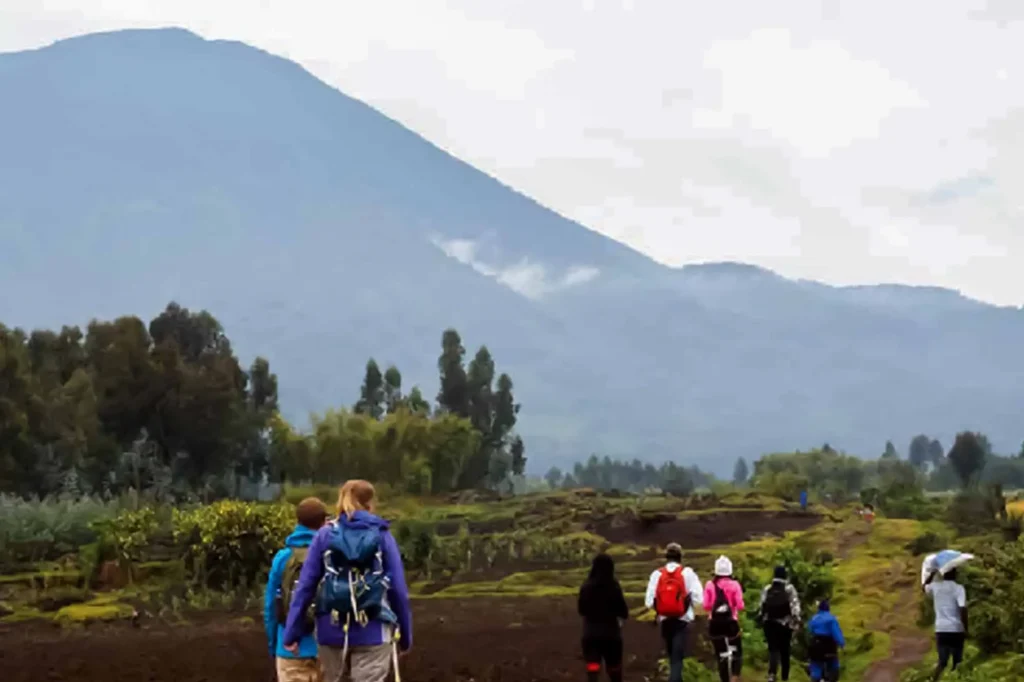
What should I wear for volcano hiking safaris?
What should I wear for volcano hiking safaris? is one of the most important planning questions for travelers preparing for Uganda Safaris and Rwanda Safaris that include volcanic trekking adventures. Across East Africa, iconic hiking destinations within the Albertine Rift offer dramatic landscapes where rainforest, bamboo zones, and alpine terrain converge into a single unforgettable journey. In particular, trekking experiences within the famous Volcanoes National Park demand proper clothing choices that directly influence comfort, safety, and overall enjoyment during the climb. Through expert guidance from Frena Adventures, travelers are equipped with clear packing strategies designed to match changing weather conditions, altitude variations, and rugged hiking environments that define Rwanda Safaris and selected Uganda Safaris itineraries.
Understanding what should I wear for volcano hiking safaris? goes beyond casual clothing decisions because volcanic terrain requires layered outfits that adapt to unpredictable mountain climates. As hikers ascend peaks such as Mount Bisoke and Mount Karisimbi, temperatures shift rapidly from warm rainforest conditions to cold alpine winds. Therefore, clothing must provide insulation, breathability, and protection from moisture while ensuring mobility during steep climbs. Additionally, proper attire plays a vital role in enhancing endurance, especially for travelers combining Uganda Safaris wildlife experiences with high-altitude Rwanda Safaris trekking adventures.
What should I wear for volcano hiking safaris? – Essential Clothing for Mount Bisoke and Volcanoes National Park Trekking
What should I wear for volcano hiking safaris? becomes easier to understand when focusing on the specific demands of hiking within Volcanoes National Park, where Mount Bisoke stands as one of the most popular trekking destinations. Typically, hikers are advised to wear lightweight moisture-wicking base layers that regulate body temperature while preventing discomfort caused by sweat accumulation during steep ascents. Gradually, as elevation increases on Mount Bisoke, additional insulating layers such as fleece jackets or thermal tops become necessary to maintain warmth in cooler forest zones.
Strategically, durable hiking trousers are highly recommended because they protect against dense vegetation, muddy trails, and occasional insect bites commonly encountered during Rwanda Safaris and Uganda Safaris extensions. Comfortably, long-sleeved shirts also serve as protective gear against sun exposure and scratches from bamboo forests, which are common ecological zones on volcanic trails. Importantly, hikers should choose quick-drying materials to remain comfortable throughout the 5–7 hour round trip experience that characterizes Mount Bisoke treks.
Practically, what should I wear for volcano hiking safaris? also includes proper footwear selection, which is considered one of the most critical elements of preparation. Strong waterproof hiking boots with good ankle support are essential for stability on slippery volcanic soil. Additionally, thick socks help reduce friction and prevent blisters during long-distance trekking, ensuring a smoother experience for travelers exploring Uganda Safaris and Rwanda Safaris combinations. Ultimately, dressing correctly enhances performance and increases the likelihood of successfully reaching the summit crater lake of Mount Bisoke.
What should I wear for volcano hiking safaris? – Karisimbi Expedition Gear, Best Time to Hike, and Expert Recommendations
What should I wear for volcano hiking safaris? becomes even more detailed when preparing for the challenging ascent of Mount Karisimbi, the highest volcano in the Virunga range and one of the most demanding trekking experiences included in premium Rwanda Safaris. Unlike shorter hikes, Karisimbi requires multi-day preparation, meaning clothing must support overnight camping in colder alpine conditions where temperatures can drop significantly at night. Consequently, insulated jackets, thermal base layers, gloves, and warm hats become essential items for maintaining body heat during high-altitude exposure.
Additionally, waterproof outer shells are highly recommended because weather conditions on Mount Karisimbi can change rapidly, especially in exposed summit areas. As hikers ascend through different ecological zones, layered clothing systems allow flexibility by adding or removing garments depending on temperature changes. This adaptability is crucial for travelers combining Uganda Safaris wildlife tours with extended Rwanda Safaris trekking experiences, ensuring comfort across diverse environments.
Regarding timing, what should I wear for volcano hiking safaris? also depends on seasonal conditions, with the best hiking periods typically falling during dry months from June to September and December to February. During these seasons, trails within Volcanoes National Park are less muddy, visibility is improved, and clothing remains relatively dry, reducing the need for excessive waterproof layering. However, even during dry seasons, mountain weather remains unpredictable, making layered clothing essential at all times.
From an expert perspective, Frena Adventures emphasizes that proper preparation significantly enhances safety and enjoyment during Rwanda Safaris and Uganda Safaris volcanic hikes. Therefore, choosing the right attire is not only about comfort but also about endurance, protection, and overall trekking success. Ultimately, what should I wear for volcano hiking safaris? is best answered through careful planning, quality gear selection, and professional guidance that ensures every traveler experiences Africa’s volcanic landscapes with confidence and ease.