What Equipment Should I Bring for a Birding Safari in Tanzania?
March 7, 2026
When Does the Great Migration Occur in the Serengeti?
March 7, 2026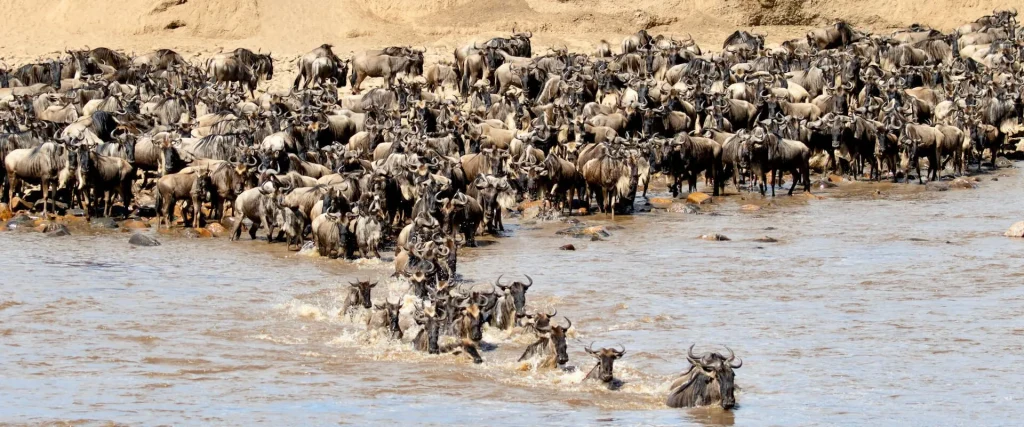
How Long Does It Typically Take to See Significant Migration Herds in Tanzania?
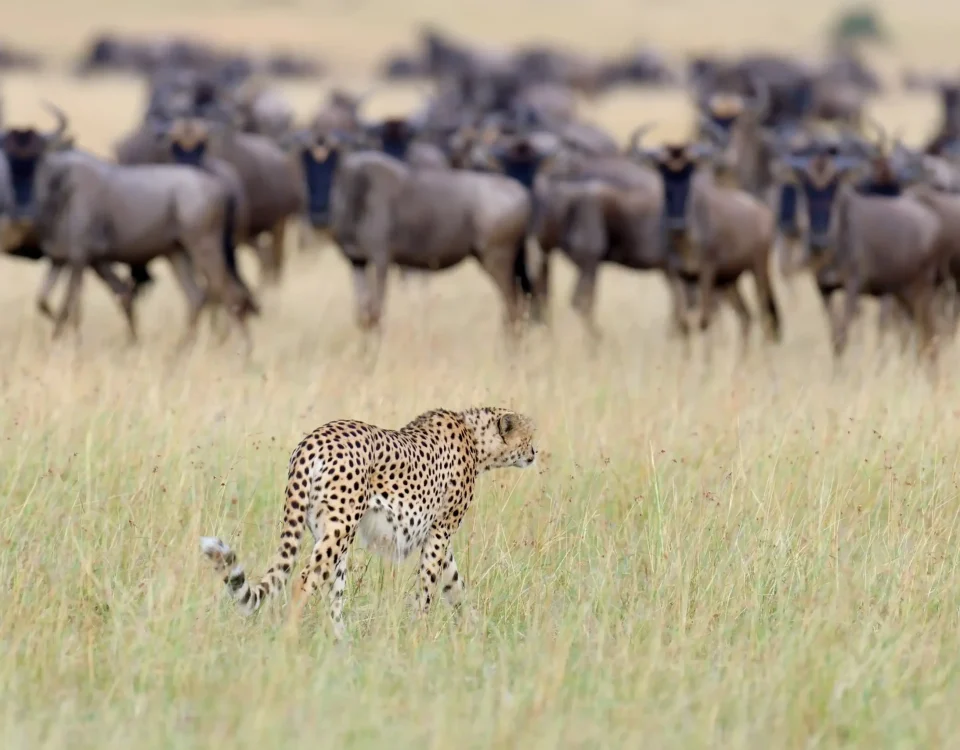
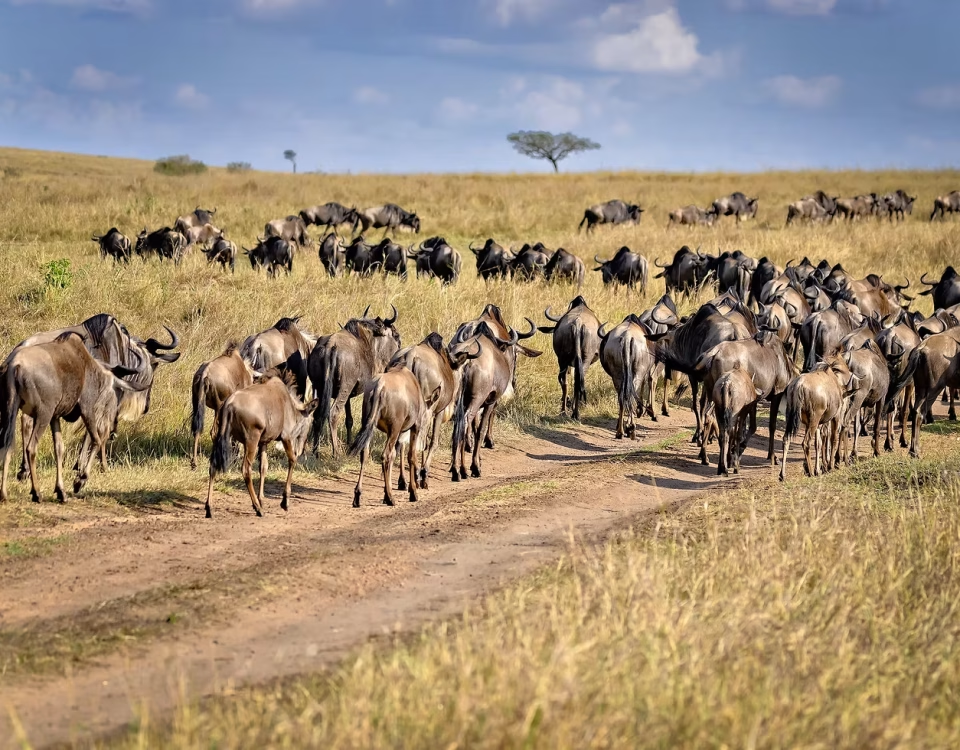
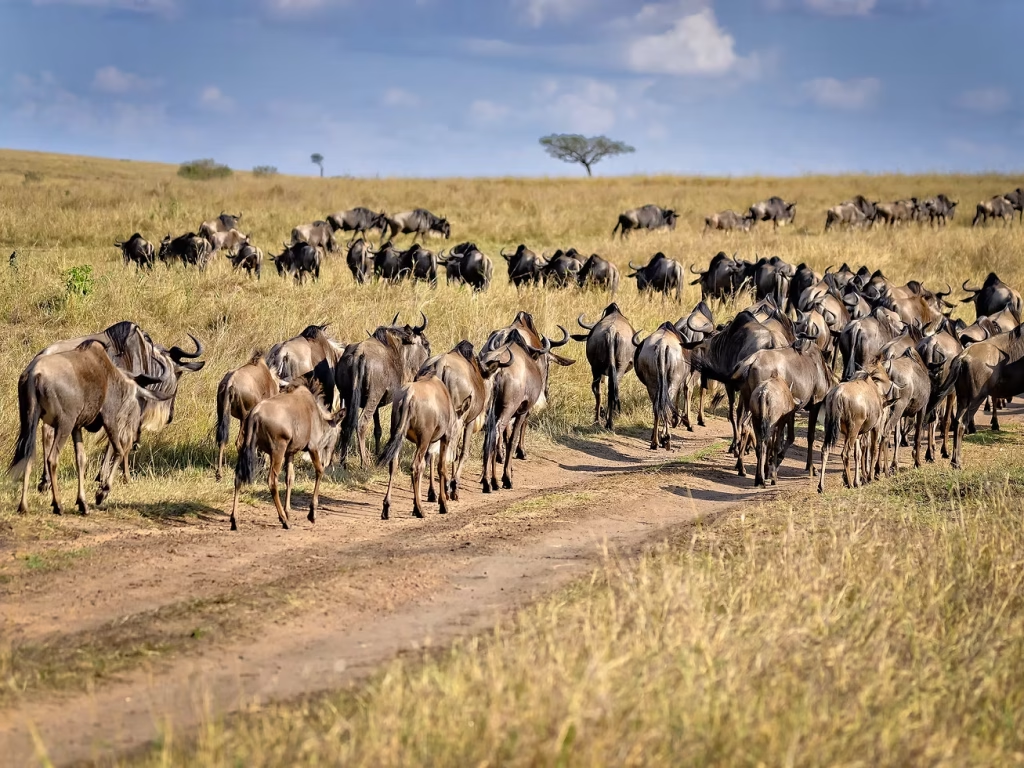
Experiencing the great migration safaris in Tanzania is a once-in-a-lifetime adventure, drawing travelers from across the globe to witness the awe-inspiring movement of millions of wildebeest, zebras, and other herbivores across the Serengeti ecosystem. Planning for a Tanzania Safari with the aim of observing these migration herds requires understanding the timing, routes, and ecosystems involved. Travelers seeking a full experience often combine Tanzania Birding Safaris and Tanzania Cultural Safaris, which allows for immersion in both wildlife and local Maasai or Hadzabe cultural practices.
Expectations play a major role in planning a migration-focused safari. While the exact timing of large herds varies each year, expert guides from Frena Adventures recommend allocating at least three to five days in regions such as the Serengeti National Park, Ngorongoro Conservation Area, and the Mara River crossings to increase chances of seeing the migration in its full glory. Wildlife enthusiasts often ask, How long does it typically take to see significant migration herds in Tanzania? The answer depends on multiple factors, including seasonality, herd movement patterns, and the location of the lodges or camps. High-quality lodges positioned close to prime migration routes, such as Seronera in central Serengeti or the northern corridor near Lamai, enable visitors to maximize wildlife encounters.
What Influences the Timing of Migration Sightings?
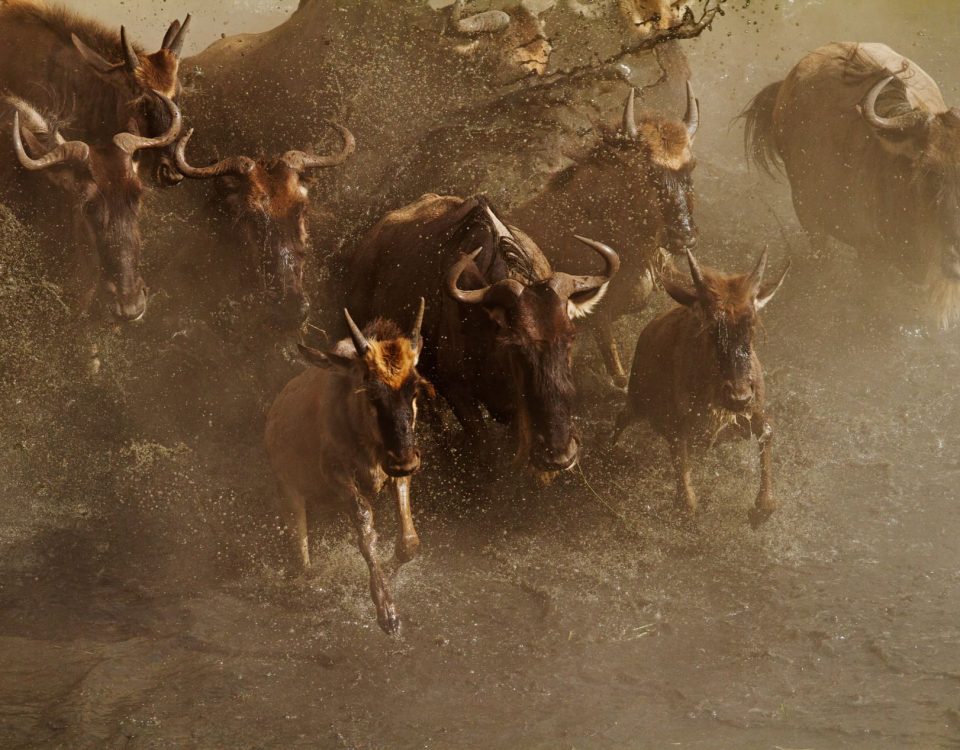
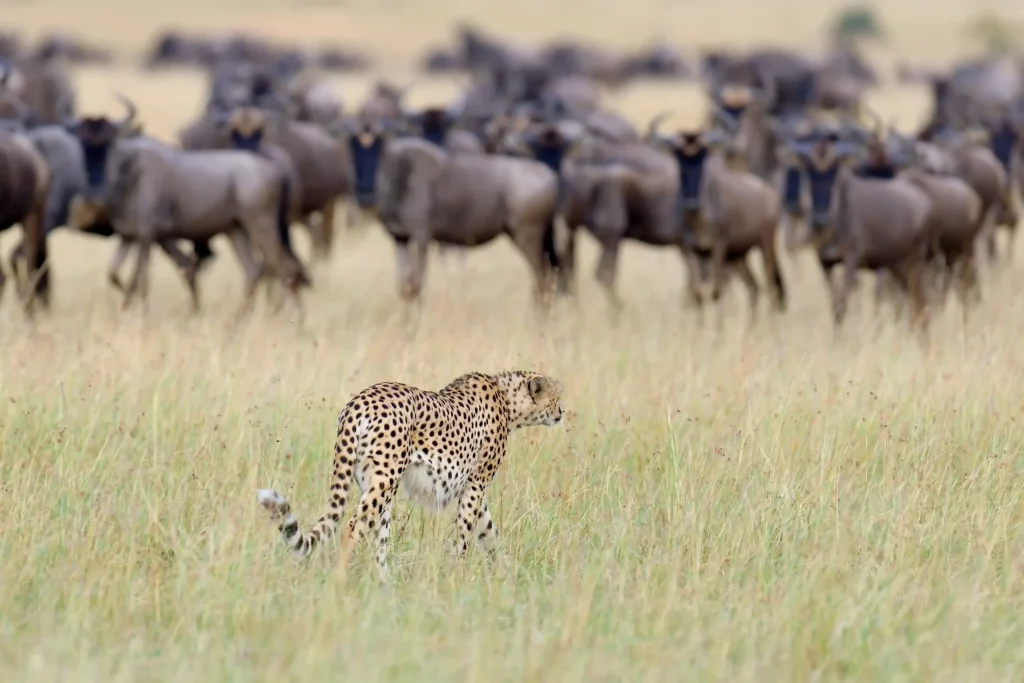
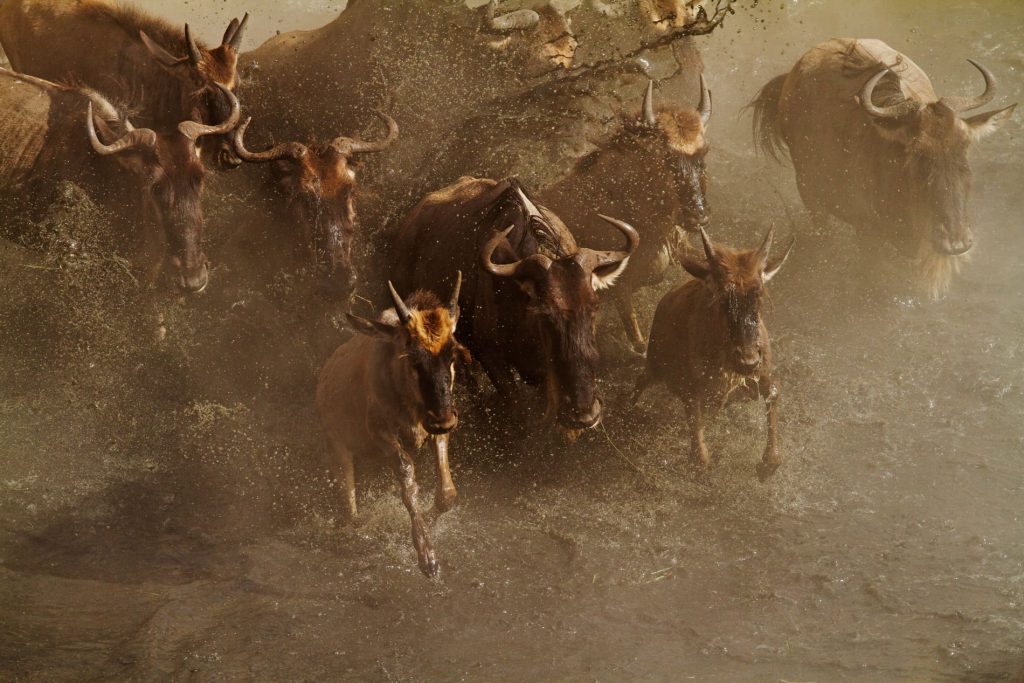
Seasonality has a profound impact on the timing of migration herds in Tanzania. From December to March, herds typically gather in the southern Serengeti, where calving occurs and predator activity is high, providing incredible wildlife viewing opportunities. April and May mark the onset of short rains, during which herds gradually disperse and begin their movement northward. Between June and July, the migration reaches the western corridors, and by August to October, the herds congregate near the northern Serengeti and cross the Mara River.
Accessibility is another key factor affecting how quickly travelers can witness large herds. Well-maintained roads and proximity to airstrips enable safari-goers to reach prime viewing areas efficiently. Lodges specializing in Tanzania Best Safari experiences provide transportation options, from 4×4 game drives to light aircraft transfers, ensuring visitors spend more time observing the herds rather than traveling. Expert guides also monitor herd movement daily, giving clients the advantage of real-time updates and strategic positioning. Asking How long does it typically take to see significant migration herds in Tanzania? underscores the importance of planning based on ecological patterns and expert insight to enhance the likelihood of memorable sightings.
How Many Days Should You Allocate for Migration Viewing?
Determining the ideal duration for a great migration safari depends on how comprehensive a wildlife experience one desires. For first-time travelers, a minimum of three full days in the Serengeti is recommended to witness sizeable herds and river crossings. Longer stays of five to seven days allow more flexibility to track migration routes, explore different ecosystems, and participate in Tanzania Birding Safaris or Tanzania Cultural Safaris in surrounding areas.
Expect early morning and late afternoon game drives, when wildlife is most active, to significantly increase chances of observing predator-prey interactions and large congregations of migrating species. Travelers should budget for additional days to accommodate unpredictable herd movements caused by weather or grazing patterns. Costs vary based on the lodge or camp, duration, and included services, with high-end options ranging from $400 to $1,200 per day per person, often including meals, accommodation, and guided drives. Asking How long does it typically take to see significant migration herds in Tanzania? highlights the necessity of allocating sufficient time for a meaningful migration experience while balancing costs and logistical considerations.
How Do Lodge Locations Affect Migration Sightings?
Strategic lodge placement dramatically influences the time it takes to encounter significant migration herds during Tanzania Safaris. Central Serengeti lodges, such as those near Seronera or Ndutu, allow for immediate access to concentrated herds, particularly during calving season. Northern Serengeti camps near the Mara River are ideal for witnessing dramatic river crossings, where crocodiles and wildebeest create unforgettable wildlife spectacles.
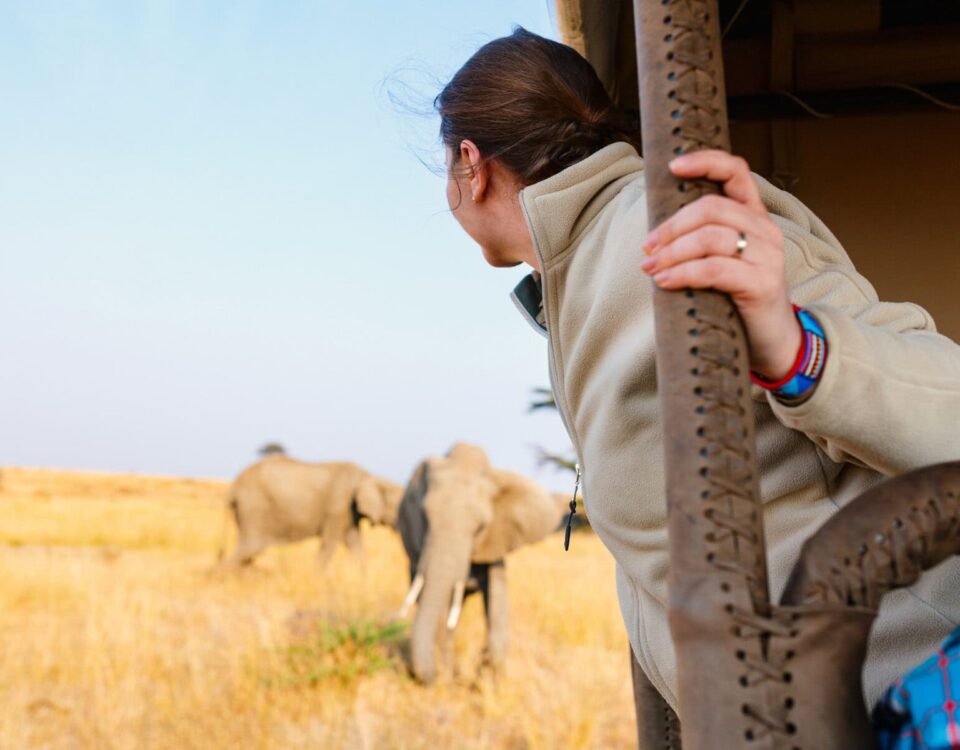
Guests on Tanzania Best Safari packages benefit from lodges offering private viewing decks, guided drives, and expert tracking services. Proximity to migration hotspots reduces travel time, allowing visitors to witness herd movements shortly after sunrise or before sunset, when wildlife is most active. Experienced guides advise that How long does it typically take to see significant migration herds in Tanzania? often ranges from a few hours to a full day once positioned strategically, but multiple days in the region ensure repeat sightings and diverse experiences across different landscapes. Combining this with Tanzania Birding Safarisadds further value, as many endemic and migratory bird species coexist alongside the great migration herds.
Why Choose Frena Adventures for Migration Safaris?
Frena Adventures provides tailored great migration safaris that maximize viewing opportunities while offering cultural and ecological immersion. Expertise in selecting optimal lodge locations, tracking herd movements, and combining experiences with Tanzania Birding Safaris and Tanzania Cultural Safaris ensures travelers receive an authoritative and unforgettable safari experience. Personalized itineraries, expert guides, and attention to detail in logistics allow families, solo travelers, and wildlife enthusiasts to enjoy seamless and enriching adventures.
Cultural interactions with Maasai communities, visits to local conservation projects, and participation in eco-tourism initiatives provide added depth, enhancing the overall safari experience. Asking How long does it typically take to see significant migration herds in Tanzania? is answered effectively through Frena Adventures’ meticulous planning, ensuring that clients witness the majesty of the migration while enjoying luxurious, comfortable, and sustainable accommodations. This holistic approach positions Frena Adventures as a trusted source for Tanzania Best Safari experiences, combining wildlife, culture, and adventure into a single, well-orchestrated journey.