Do Birding Safaris in Tanzania Require a Specialist Guide?
March 7, 2026
How Long Does It Typically Take to See Significant Migration Herds in Tanzania?
March 7, 2026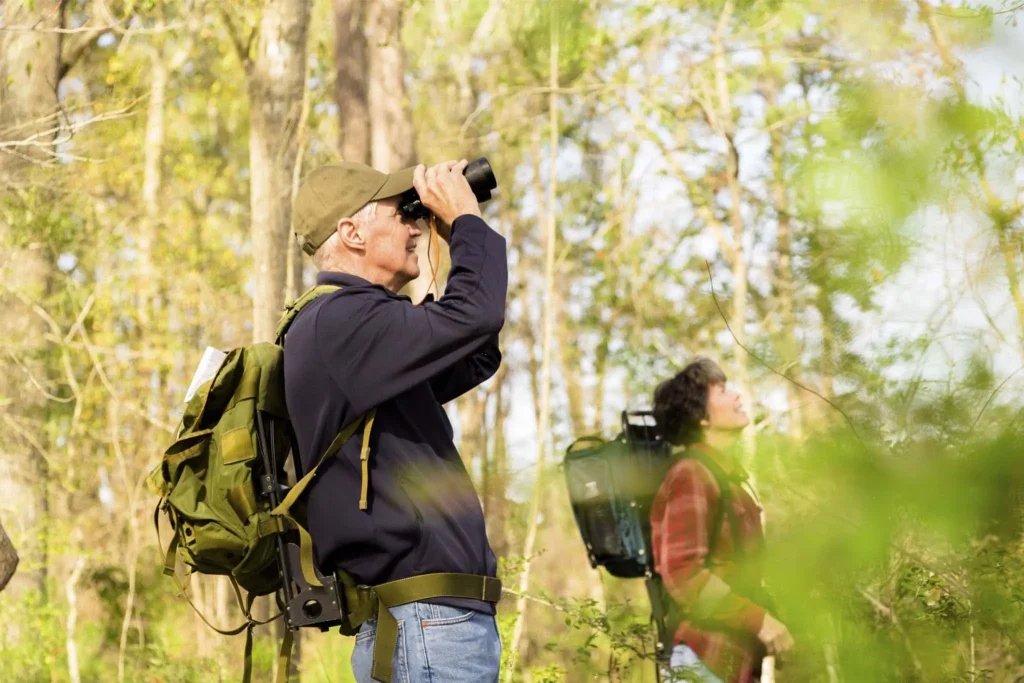
What Equipment Should I Bring for a Birding Safari in Tanzania?
Planning a Tanzania Birding Safari requires careful preparation to ensure that every moment of your adventure is rewarding and immersive. Tanzania offers some of the richest birding experiences in Africa, hosting over 1,100 bird species, including rare and endemic birds such as the Usambara Weaver, Uluguru Bushshrike, and the Fischer’s Lovebird. Travelers seeking an unforgettable journey will find that combining Tanzania Birding Safaris with Tanzania Cultural Safaris allows them to explore both wildlife and vibrant local cultures, from Maasai villages to Swahili coastal communities.
Expert advice emphasizes that travelers should consider not only the visual equipment but also practical clothing, safety tools, and supplementary gear that enhances both comfort and observation opportunities. Asking What equipment should I bring for a birding safari in Tanzania? ensures that you maximize sightings while minimizing environmental impact. Lodges and camps are strategically located near prime birding habitats, such as the Ngorongoro Crater, Serengeti National Park, and the Usambara Mountains, making preparation critical for reaching remote observation spots. With proper planning, birders can experience Tanzania’s spectacular biodiversity, including migratory species during the great migration safaris, while learning about local conservation initiatives and participating in eco-friendly tourism practices.
Which Optical Equipment Is Essential for Tanzania Birding Safaris?
High-quality binoculars are fundamental for a successful Tanzania Birding Safari. Travelers should select binoculars with magnification between 8x and 10x, providing crisp views across forests, wetlands, and the open savannahs of the Serengeti. Spotting scopes enhance the ability to observe rare species from a safe distance, especially when looking for elusive birds in high canopies or dense undergrowth. Durable, waterproof designs ensure that your equipment withstands sudden rains or dusty conditions common in various regions.
Field guides or digital birding apps are indispensable for identifying species accurately. These tools help travelers distinguish between similar-looking birds, track migratory patterns, and note habitat preferences. Many lodges provide orientation sessions where expert guides demonstrate how to use optical equipment efficiently while offering insider knowledge about seasonal hotspots. Cameras with telephoto lenses are recommended for photography enthusiasts who wish to document rare sightings for personal use or conservation projects. Asking What equipment should I bring for a birding safari in Tanzania? highlights the importance of combining optical tools with educational aids to enhance the overall experience. By investing in reliable equipment, visitors can maximize sightings during peak bird activity hours at dawn and dusk.
What Clothing and Personal Gear Are Recommended?
Comfortable and practical clothing is vital for a Tanzania Birding Safari. Lightweight, breathable fabrics in neutral colors reduce visibility to birds while allowing freedom of movement for trekking through forests, savannahs, or wetlands. Layered clothing is recommended, particularly in highland regions such as the Udzungwa Mountains, where mornings can be cool but afternoons warm. Rainproof jackets and ponchos protect both travelers and equipment during the wet season, ensuring uninterrupted observation sessions.
Footwear must be sturdy and comfortable, capable of handling uneven terrain, forest trails, and rocky hillsides. Sun protection, including wide-brimmed hats, sunglasses, and high-SPF sunscreen, safeguards against Tanzania’s intense equatorial sun. Insect repellent is essential, particularly when exploring humid wetlands and forested areas where mosquitoes are prevalent. Asking What equipment should I bring for a birding safari in Tanzania? ensures that travelers are equipped not only for birdwatching but also for health, comfort, and safety. Many lodges offer laundry services, but having practical clothing options ready for multi-day excursions enables visitors to focus fully on their birding and cultural experiences.
Which Accessories Enhance Your Birding Experience?
Several additional items significantly improve the quality of a Tanzania Birding Safari. Notebooks or digital devices allow travelers to record sightings, behaviors, and locations, contributing to both personal learning and citizen science. GPS devices or mapping apps ensure safe navigation to remote areas, such as Kilimanjaro foothills or Selous Game Reserve wetlands, which are renowned for endemic species. Portable seating or mats provide comfort during extended observation periods, particularly near waterholes or dense forest edges.
Other recommended accessories include binocular harnesses for longer hikes, lens cleaning kits, and compact first-aid kits for minor injuries. Reusable water bottles or hydration packs are crucial to maintain energy during early morning or midday birding excursions. Expert guides from Frena Adventures provide detailed advice on using gear efficiently, identifying seasonal hotspots, and locating rare species such as the Tanzanian Red Bishop or the Iringa Akalat. Asking What equipment should I bring for a birding safari in Tanzania? emphasizes the importance of comprehensive preparation, ensuring a rewarding, safe, and immersive birding adventure.
How Should You Plan for a Tanzania Birding Safari?
Strategic planning ensures that your Tanzania Birding Safari is both productive and enjoyable. Costs generally vary based on lodge standards, park fees, and tour duration, with typical packages for seven to ten days ranging between $2,000 and $4,500. Peak birding periods occur from June to October and December to February, coinciding with migratory patterns and favorable weather conditions. Combining birding with Tanzania Cultural Safaris allows travelers to engage with Maasai, Chagga, and coastal Swahili communities, enriching the overall safari experience.
Expect early mornings, occasional trekking, and long game drives to access the best birding locations, such as Lake Manyara National Park, the Serengeti plains, and Ngorongoro Crater rim forests. Guided tours provide valuable insights into conservation, ecological habitats, and bird behaviors, enhancing learning and observation outcomes. Asking What equipment should I bring for a birding safari in Tanzania? helps travelers focus on preparation, ensuring that each element of the trip—from gear to itinerary—is optimized for comfort, efficiency, and enjoyment. Frena Adventures emphasizes personalized experiences, eco-conscious travel, and cultural immersion, creating safaris that combine adventure, education, and sustainability.
Why Choose Frena Adventures for Your Birding Safari?
Frena Adventures specializes in creating unmatched Tanzania Birding Safaris that blend wildlife observation, endemic bird spotting, and cultural experiences. Travelers benefit from expert guides, thoughtfully curated itineraries, and accommodations located strategically near prime birding sites. Families, solo travelers, and avid birdwatchers can confidently rely on our expertise to ensure a seamless safari, with all aspects—gear, travel logistics, and educational opportunities—carefully managed.
Visitors gain the advantage of combining birding with Tanzania Best Safari experiences, including participation in great migration safaris or Tanzania Cultural Safaris, providing a comprehensive African adventure. Asking What equipment should I bring for a birding safari in Tanzania? demonstrates the importance of preparation and planning, which Frena Adventures prioritizes for every traveler. By focusing on expert guidance, sustainable tourism, and rich cultural interactions, we ensure that every birding safari is safe, educational, and unforgettable.