Your Gorilla Trek Packing Guide for Uganda & Rwanda
January 18, 2026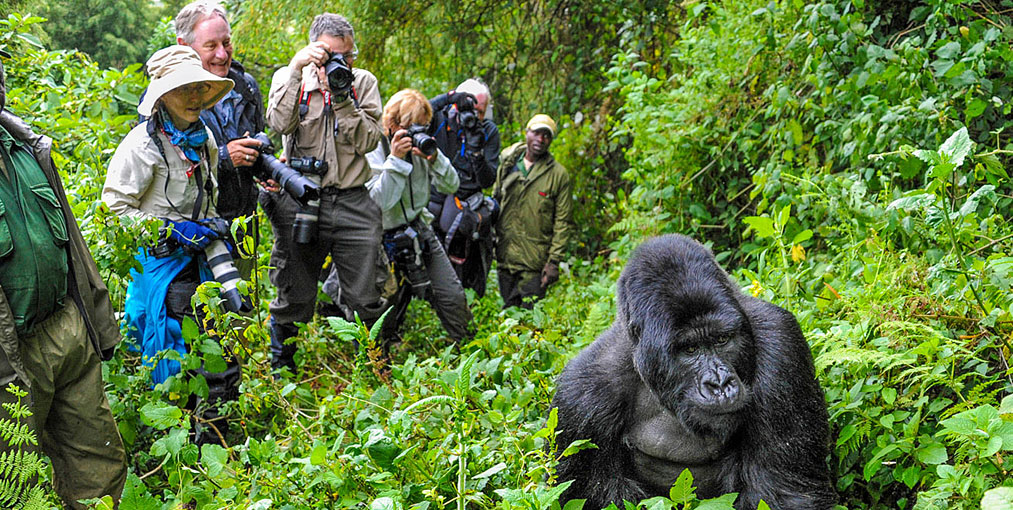
How Gorilla Habituation Works in Uganda
January 26, 2026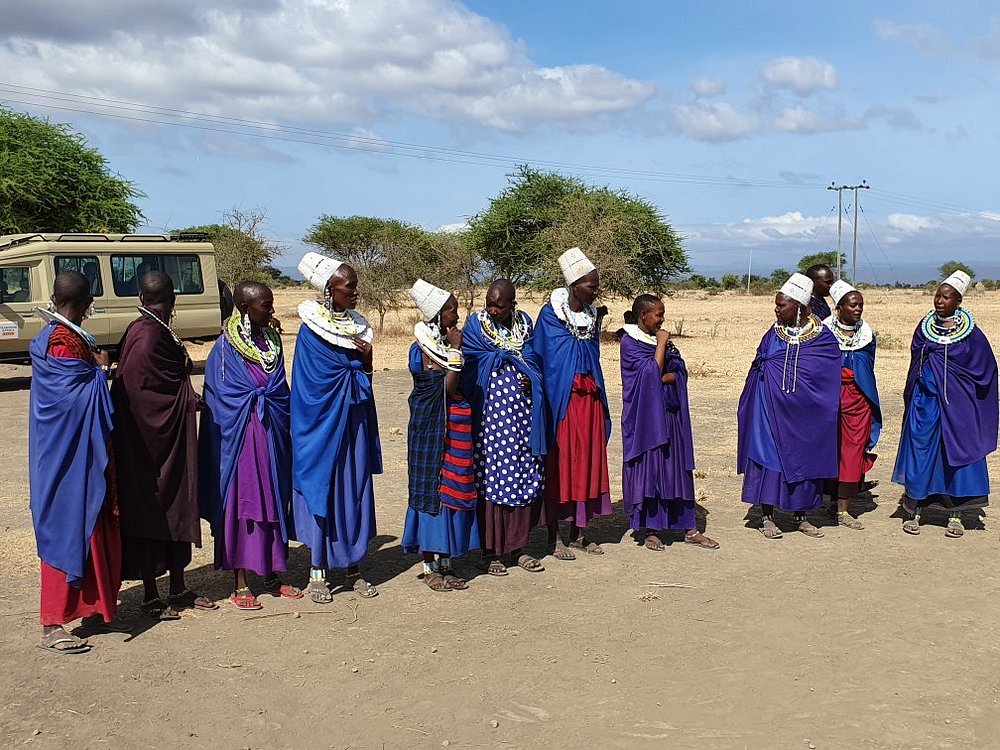
Tipping in Uganda, Kenya, Rwanda & Tanzania: What Tourists Should Know
Tipping in Uganda, Kenya, Rwanda & Tanzania: What Tourists Should Know matters because safari service involves many hardworking hands. From airport welcomes to game drives, people support your journey every day. East Africa tipping culture rewards kindness, effort, and professionalism, especially in tourism. Tipping in East Africa also helps teams earn steady income in seasonal travel months. For most visitors, how much to tip in East Africa feels confusing at first. However, a simple plan makes everything easy and respectful. East Africa gratuities should match service quality, safari style, and travel budget.
Cash tips remain the most useful option in remote areas. For that reason, safari tipping East Africa becomes part of smart trip planning. Frena Adventures helps guests travel confidently with a clear East Africa tipping guide. This guide covers restaurants, lodges, porters, guides, and trekking teams. It also supports travelers who want smooth cultural interactions. Most importantly, Tipping in Uganda, Kenya, Rwanda & Tanzania: What Tourists Should Know turns uncertainty into comfort. Your safari feels lighter when you understand local expectations. Great tipping habits also build stronger memories with the people you meet.
Understanding East Africa Tipping Culture: Tipping in Uganda, Kenya, Rwanda & Tanzania: What Tourists Should Know
Tipping in Uganda, Kenya, Rwanda & Tanzania: What Tourists Should Know begins with one truth. Tipping is optional, yet it stays widely appreciated. East Africa tipping culture developed because tourism jobs rarely pay high wages. Guides, lodge teams, and drivers still deliver world-class service daily. Therefore, tipping in East Africa often feels like a thank-you with real impact. Many travelers worry about offending staff or creating pressure. Thankfully, respectful tipping feels normal when you keep it simple.
A clear East Africa tipping guide helps you tip with confidence. In most places, you can tip privately and politely. A warm smile and direct appreciation also add value. Safari tipping East Africa works best when you plan a small daily budget. Even better, you avoid last-minute stress at checkout. Some luxury properties include service charges. Still, guests often add small personal tips for standout care. This approach supports luxury safari tipping East Africa without overspending. Remember that tipping should never feel forced. Yet Tipping in Uganda, Kenya, Rwanda & Tanzania: What Tourists Should Know encourages generosity for excellent service. Kindness travels far in every safari destination.
Recommended Safari Guide Tipping:
Tipping in Uganda, Kenya, Rwanda & Tanzania: What Tourists Should Know becomes most important on safari. Your guide shapes the entire trip experience. Every day includes wildlife tracking, safety decisions, and long hours on the road. That is why safari guide tipping deserves special attention. A common range sits around $10 to $20 per day per guest. In Kenya, many guests tip $10 to $15 per person per day. In Tanzania, higher-end safaris often use $15 to $25+ per day. This pattern answers how much to tip safari driver in a practical way. If your guide also drives, the tip covers both roles.
That makes the safari driver guide tip especially meaningful. Great guiding includes sharp animal spotting and smooth pacing. Good guides also handle park rules and respectful photography distance. During a game drive, your guide may position the vehicle perfectly. So, tipping on game drive rewards skill you may not notice immediately. Multi-day trips allow a deeper bond with your guide. For that reason, many guests tip at the end of the safari. This approach supports tipping driver guide East Africa without daily envelopes. Most importantly, Tipping in Uganda, Kenya, Rwanda & Tanzania: What Tourists Should Know encourages fairness. A professional guide deserves recognition when service exceeds expectations.
Lodge, Camp, and Housekeeping Tips:
Tipping in Uganda, Kenya, Rwanda & Tanzania: What Tourists Should Know also covers lodge teams. Camps and lodges run like quiet orchestras. Housekeeping keeps rooms fresh after dusty drives and rainy walks. Kitchen staff prepares meals with care and hygiene. Gardeners maintain paths, lights, and outdoor comfort. Therefore, safari camp tipping etiquette matters more than most guests expect. Many properties use a shared staff tip box. This method supports fairness across departments. For that reason, tipping lodge staff East Africa often ranges from $5 to $10 per day. Guests place the amount once per night or at checkout.
This simple habit strengthens lodge tipping etiquette during longer stays. If one staff member offers special help, add a personal envelope. Examples include a special celebration dinner or extra laundry support. In that case, tipping housekeeping East Africa becomes a direct thank-you. Porters also deserve attention at arrivals and departures. A small tip for luggage feels polite and normal. That covers tipping porter at hotel without stress. When you stay at premium properties, tipping may rise slightly. Still, your spending should match comfort and satisfaction. Luxury safari tipping East Africa stays personal, not compulsory. In every country, gratitude should feel warm and respectful. Once again, This article helps you handle these moments gracefully.
Restaurant and City Service Tips:
Tipping in Uganda, Kenya, Rwanda & Tanzania: What Tourists Should Know applies beyond the bush. Cities and towns offer cafes, restaurants, and cultural venues. Service style may feel relaxed, yet effort remains sincere. In most restaurants, 10 to 15% works well for good service. Some places add a service charge on the bill. Even then, guests may still tip for exceptional attention. This habit supports tipping restaurant staff East Africa in a respectful way. Quick meals and casual cafes often use rounding up. For example, you can leave small change or add a few notes. This small step aligns with East Africa gratuities without pressure.
In Uganda, a 10% tip often feels appropriate. Kenya follows a similar range of 10 to 15%. Rwanda also accepts around 10% in many dining settings. Tanzania mirrors the same pattern in urban areas. However, service quality should guide your choice. If service feels slow due to kitchen delays, be patient. Many places cook fresh food without shortcuts. A calm attitude improves the entire dining experience. As a result, East Africa tipping culture stays positive and genuine. Travelers often ask for a universal rule across countries. Yet this article recommends flexibility. Tip fairly, stay kind, and focus on human connection.
Transport Tips and Small Daily Gestures:
Tipping in Uganda, Kenya, Rwanda & Tanzania: What Tourists Should Know includes transport services too. Airport transfers often provide your first safari impression. Drivers manage luggage, navigate traffic, and keep time on track. A small cash tip feels appreciated after a smooth ride. This habit supports tipping airport transfer driver in a simple way. On private itineraries, a driver may assist for multiple days. In that case, guests may add a small daily tip. Alternatively, they tip once at the end of the service. Both methods work for tipping private tour guide situations. Day tours also deserve fair recognition. For example, city walks and cultural visits rely on local knowledge. That makes tipping tour guide East Africa a good practice.
Boat cruises and lake trips may include a crew. In that setting, tipping boat safari crew supports safe navigation and service. Many crews share tips, so one envelope works well. Keep small notes accessible for quick moments. That includes porters, security guards, and helpful lodge staff. Those gestures strengthen tipping on day tours East Africa with ease. Yet keep tipping discreet and respectful. Loud tipping can create discomfort or attention. A quiet thank-you and handshake often feel best. Once again, Tipping in Uganda, Kenya, Rwanda & Tanzania: What Tourists Should Know guides you toward polite simplicity. Small gestures can shape big memories across East Africa.
Currency and Timing Rules:
Tipping in Uganda, Kenya, Rwanda & Tanzania: What Tourists Should Know becomes easier with the right money. Cash remains king across many safari regions. Remote parks rarely support card-based tips. For larger tips, many travelers use USD. Clean notes work best, especially newer designs. Many operators prefer USD bills printed after 2013. This choice helps staff exchange money easily. However, local currency works better for small tips. Uganda uses the Ugandan Shilling, known as UGX. Kenya uses the Kenyan Shilling, known as KES. Rwanda uses the Rwandan Franc, called RWF. Tanzania uses the Tanzanian Shilling, called TZS. These currencies suit daily tipping moments. This approach supports East Africa tipping guide planning. Timing also matters for comfort and fairness. Many guests tip the guide at the end of the safari.
That allows a full review of service quality. Lodge tips often go into a tip box at checkout. This habit supports safari lodge tipping guide routines. Personal tips for special help can happen immediately. Still, privacy remains important when giving cash. A discreet envelope works perfectly in most cases. By planning ahead, you avoid stressful last-minute decisions. That also answers how much to tip in East Africa in a practical way. Overall, Tipping in Uganda, Kenya, Rwanda & Tanzania: What Tourists Should Know encourages readiness. A small envelope system keeps your trip organized and relaxed.
Gorilla Trekking and the Nshongi Gorilla Family:
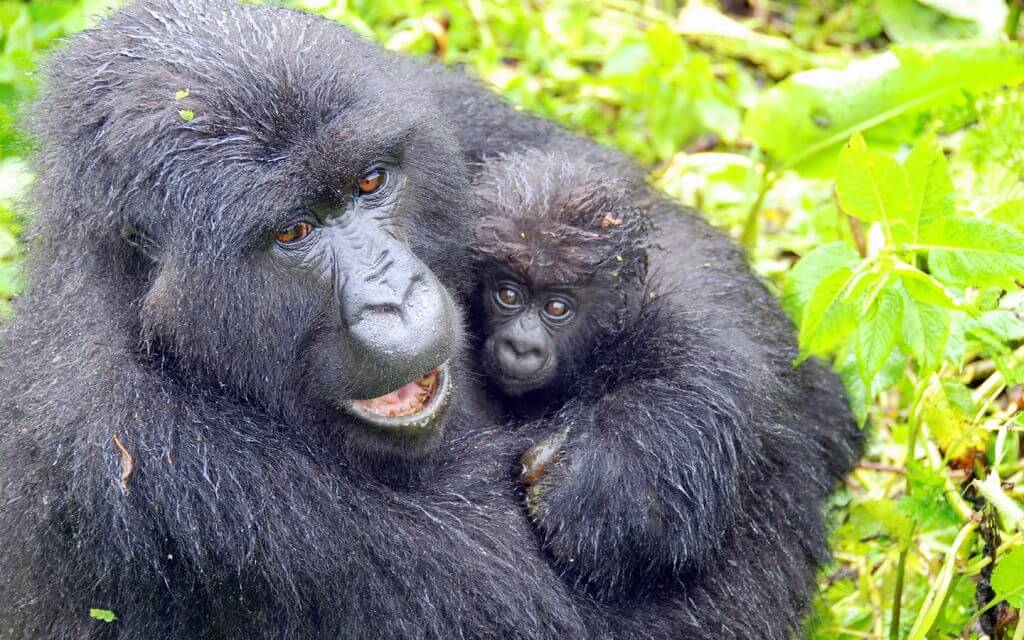
Tipping in Uganda, Kenya, Rwanda & Tanzania: What Tourists Should Know becomes very personal during gorilla trekking. Uganda and Rwanda offer unforgettable mountain gorilla experiences. Bwindi Impenetrable Forest stands out for true rainforest immersion. In Uganda, Rushaga Sector attracts many trekkers each season. Travelers often seek gorilla trekking with Nshongi family for a powerful encounter. The Nshongi Gorilla Family in Rushaga sector holds a special place in Uganda’s story. Many guests describe the trek as emotional and humbling. This journey fits perfectly within Gorilla trekking safaris in Uganda. Permits remain essential, so early planning helps. Guests ask about Uganda gorilla trekking permits and Rushaga availability.
Frena Adventures supports smooth planning with Rushaga gorilla permits guidance. Trekkers also want the Rushaga gorilla trekking experience to feel safe and memorable. The forest can feel steep, wet, and slippery at times. Yet the reward feels beyond words when the gorillas appear. Many visitors choose Nshongi because of interest in group dynamics. Some even call it the Best gorilla family in Rushaga based on their experience. After the trek, tipping shows appreciation for the team. Many guests tip gorilla guides and trackers around $10 to $20+. This practice aligns with East Africa gratuities in wildlife tourism. It also supports conservation-linked livelihoods in local communities. In every trek, Tipping in Uganda, Kenya, Rwanda & Tanzania: What Tourists Should Know reminds you to tip gently. Your gratitude supports people who protect these incredible animals daily.
Cultural Experiences Around Safari Lodges:
Tipping in Uganda, Kenya, Rwanda & Tanzania: What Tourists Should Know connects strongly with cultural travel. Many safari lodges sit near welcoming local communities. Cultural visits add depth beyond wildlife sightings. In Uganda near Bwindi, guests often visit craft groups and community projects. Traditional dance performances also create joyful evenings. These moments show daily life in a respectful setting. Therefore, tipping in East Africa may include cultural guides and performers. A small tip supports groups that share heritage with pride. In Kenya, cultural bomas and artisan markets offer unique interactions. Guests may buy beadwork, textiles, and carvings. In Rwanda, village experiences often include coffee tastings and storytelling through song.
Tanzania offers Maasai cultural visits and local market walks. Each activity feels richer with a good guide. This makes tipping tour guide East Africa valuable for cultural tours too. However, always ask your guide for appropriate etiquette. A respectful approach matters more than large amounts. Gifts like school supplies may help some projects, yet cash tips remain flexible. Frena Adventures encourages ethical and fair community support. Responsible travel strengthens trust and long-term tourism benefits. As a result, East Africa tipping culture becomes a bridge, not a barrier. You connect with people in a positive way. Once again, Tipping in Uganda, Kenya, Rwanda & Tanzania: What Tourists Should Know makes cultural moments smoother. Your trip gains meaning when you honor service with thoughtful appreciation.
Final Safari Tip Checklist:
Tipping in Uganda, Kenya, Rwanda & Tanzania: What Tourists Should Know works best with a simple checklist. For restaurants, plan 10 to 15% for good service. For safari guides, aim for $10 to $20 per day per guest. In Tanzania, consider $15 to $25+ per day on premium itineraries. Lodge staff often receive $5 to $10 per day, usually through a tip box. Trackers may receive $5 to $10 depending on the activity. Gorilla trekking teams often receive $10 to $20+ after the trek. Porters can receive small notes based on luggage support and effort.
Keep local currency for small daily tips. Save clean USD for bigger end-of-trip tipping moments. Use envelopes to keep everything tidy and private. Tip at the end when service remains consistent. Tip immediately after special help or a great cultural experience. Most importantly, tip with kindness and respect. Your gratitude should never feel like a performance. With this approach, East Africa tipping guide decisions become easy. Frena Adventures remains ready to support your safari planning. Finally, Tipping in Uganda, Kenya, Rwanda & Tanzania: What Tourists Should Know helps you travel with confidence. It also helps you leave East Africa with stronger human connections.