
Which National Parks in Kenya Are Best for General Wildlife Safaris?
March 7, 2026
Are Wildlife Safaris in Kenya Suitable for Families with Children?
March 7, 2026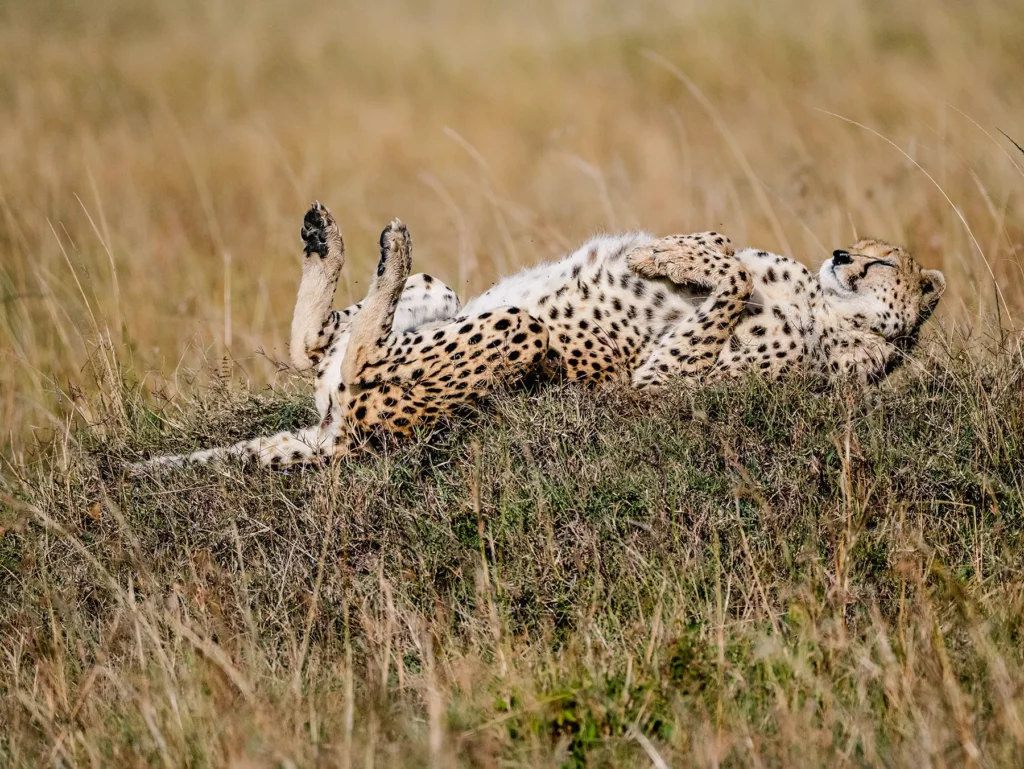
What Is the Best Time of Day for Wildlife Sightings on a Kenyan Safari?
What is the best time of day for wildlife sightings on a Kenyan safari? This is one of the most frequently asked questions by travelers planning Kenya Safaris, as timing can significantly enhance the safari experience. Kenya is globally renowned for its extraordinary wildlife, including elephants, lions, giraffes, zebras, and a multitude of antelope species, all thriving across diverse ecosystems. Understanding peak activity periods for wildlife allows visitors to maximize sightings, whether during classic Kenya Best Safari game drives, specialized Kenya Birding Safaris, or immersive Kenya Cultural Safaris that also combine interactions with local communities.
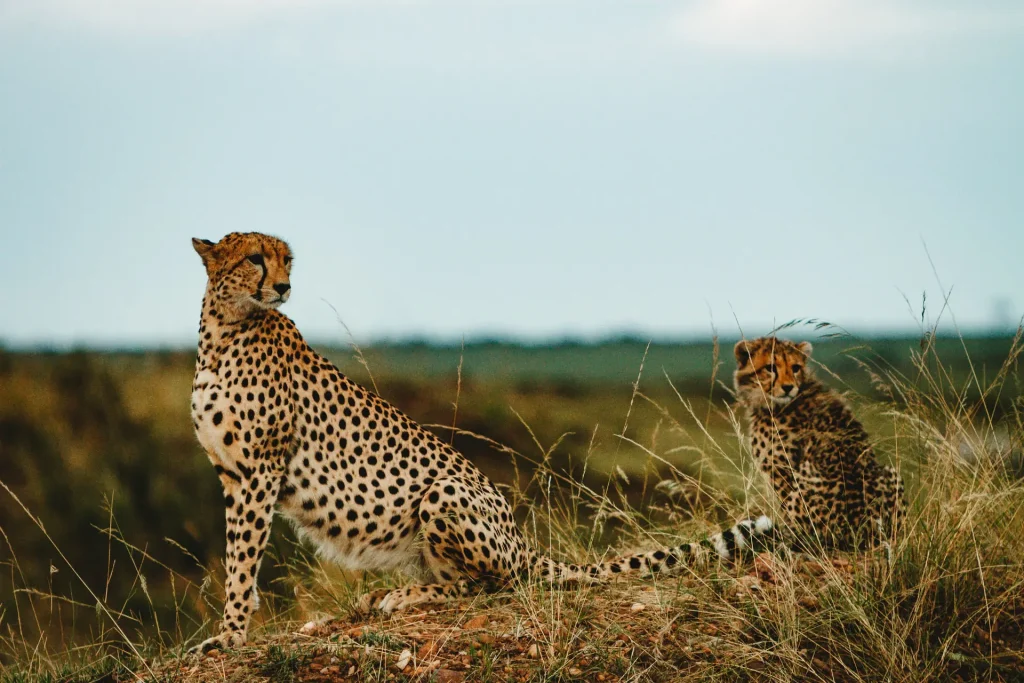
Wildlife behavior is highly influenced by temperature and seasonal patterns, making early mornings and late afternoons particularly productive for animal viewing. During cooler periods, predators emerge from shade to hunt, herbivores graze more actively, and birds engage in feeding and territorial displays. This natural rhythm explains why expert safari guides often schedule game drives at sunrise or shortly before sunset. Selecting the right time of day also enhances photography opportunities, as soft natural light illuminates landscapes and animals while avoiding harsh midday glare.
Additionally, cultural experiences are often best enjoyed alongside wildlife observation during these times. Visits to Maasai villages or interactions with other indigenous communities can be seamlessly combined with game drives, allowing travelers to witness the coexistence of humans and wildlife. For visitors planning great migration safaris, knowing the optimal times of day enhances encounters with vast herds crossing rivers, spotting predators in action, and experiencing the drama of Africa’s most iconic wildlife spectacle.
Understanding What is the best time of day for wildlife sightings on a Kenyan safari ensures a more immersive, safe, and unforgettable adventure while demonstrating a thoughtful approach to safari planning. Several destinations in Kenya stand out for providing excellent wildlife viewing at specific times, particularly the Maasai Mara, Amboseli, and Samburu ecosystems.
Maasai Mara National Reserve: When Is the Best Time of Day for Wildlife Sightings During Great Migration Safaris?
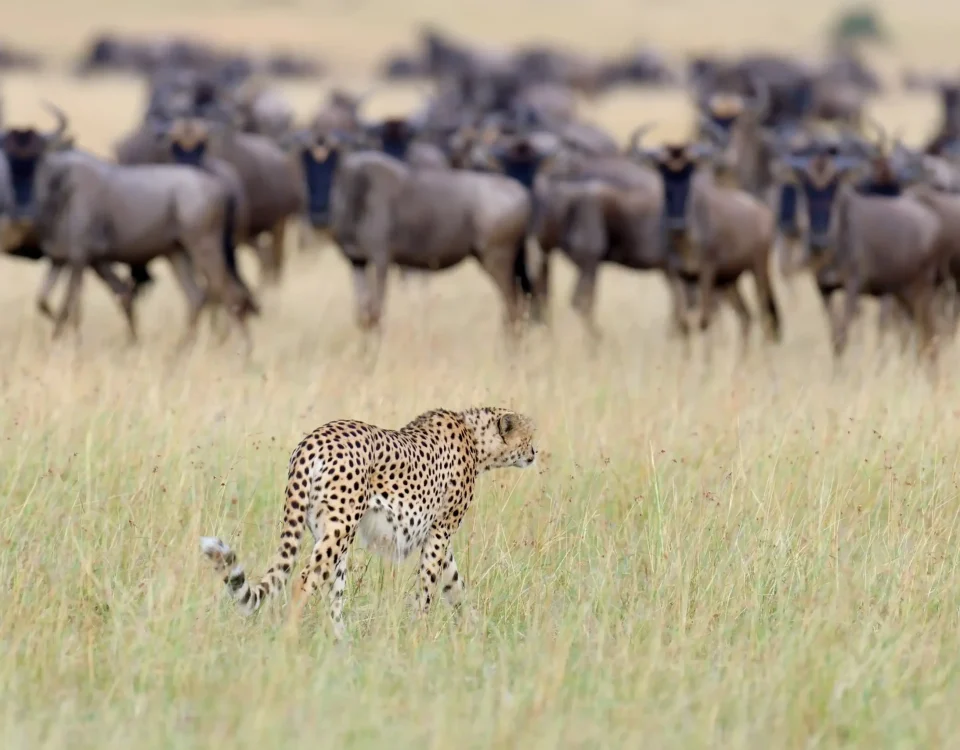
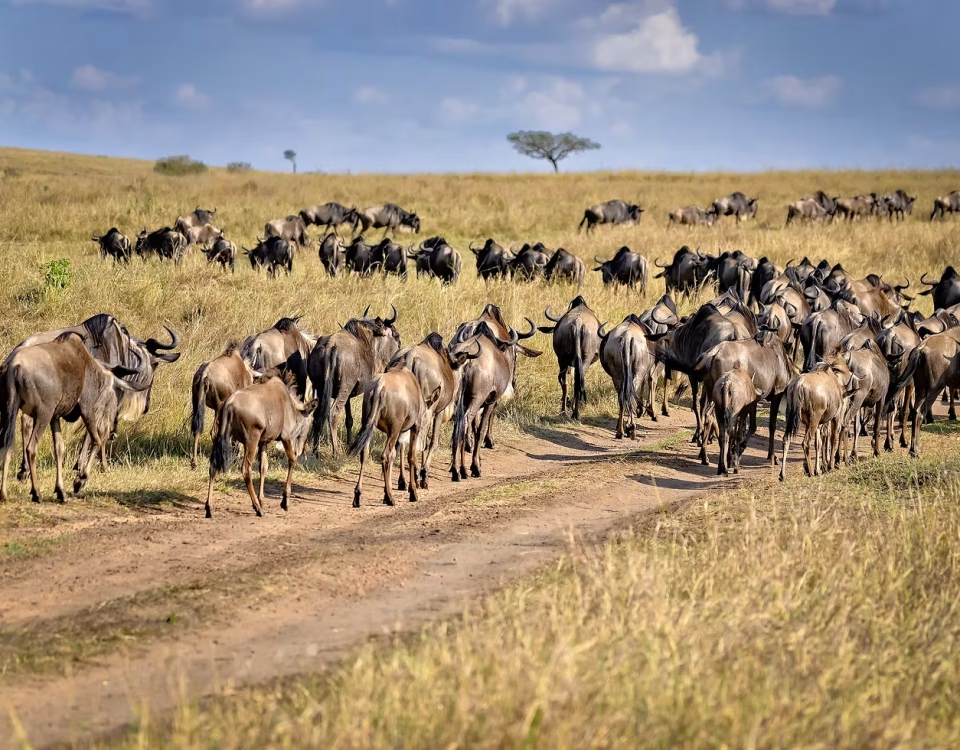
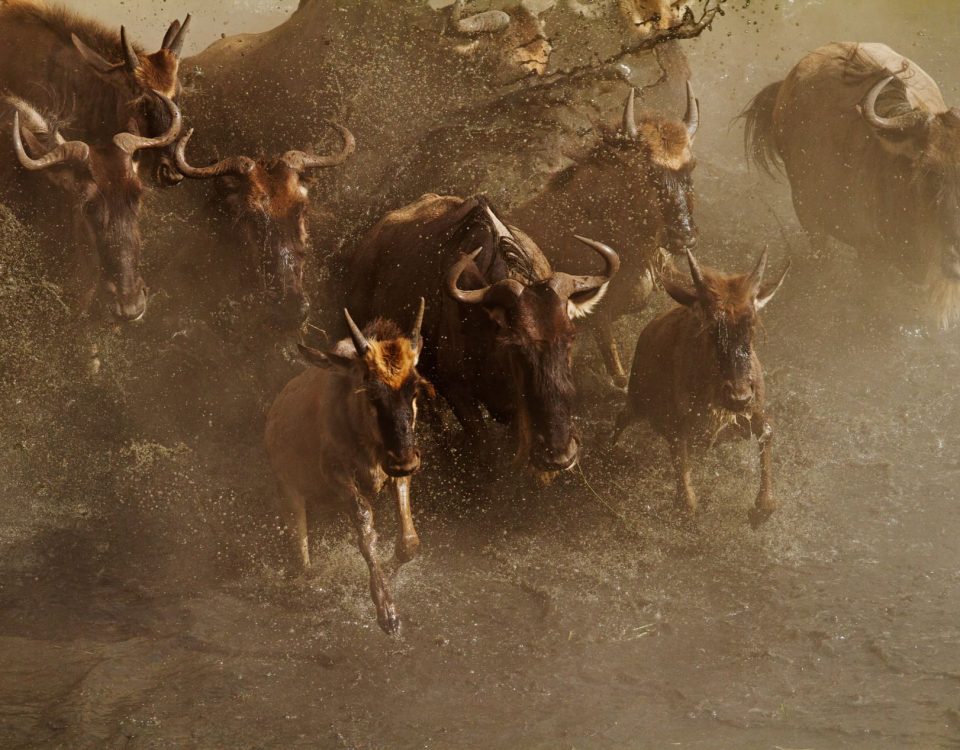
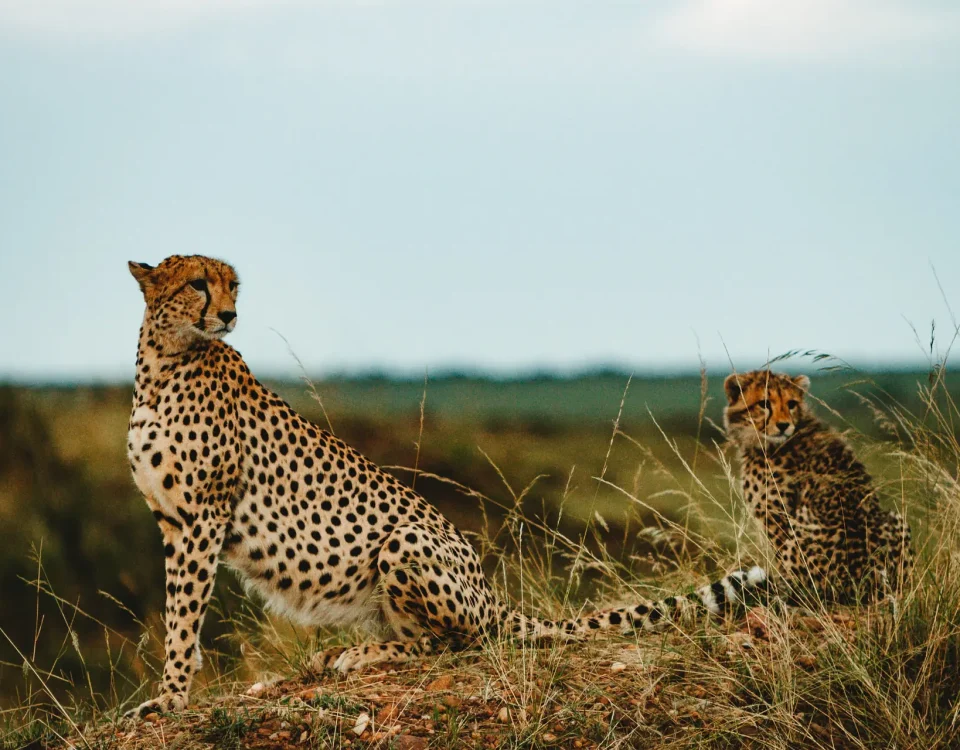
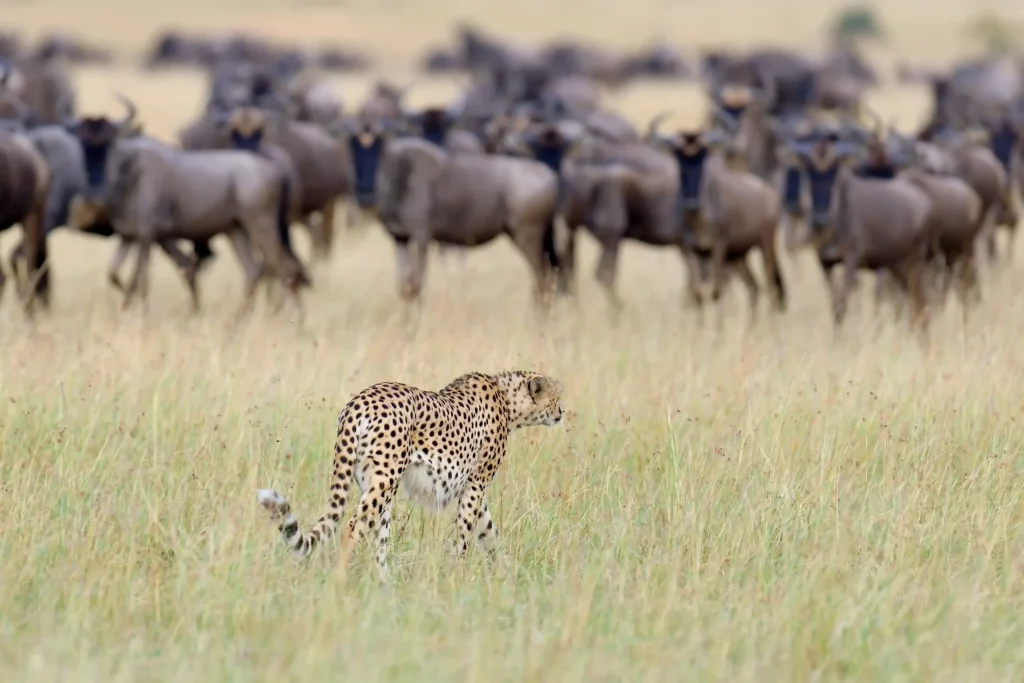
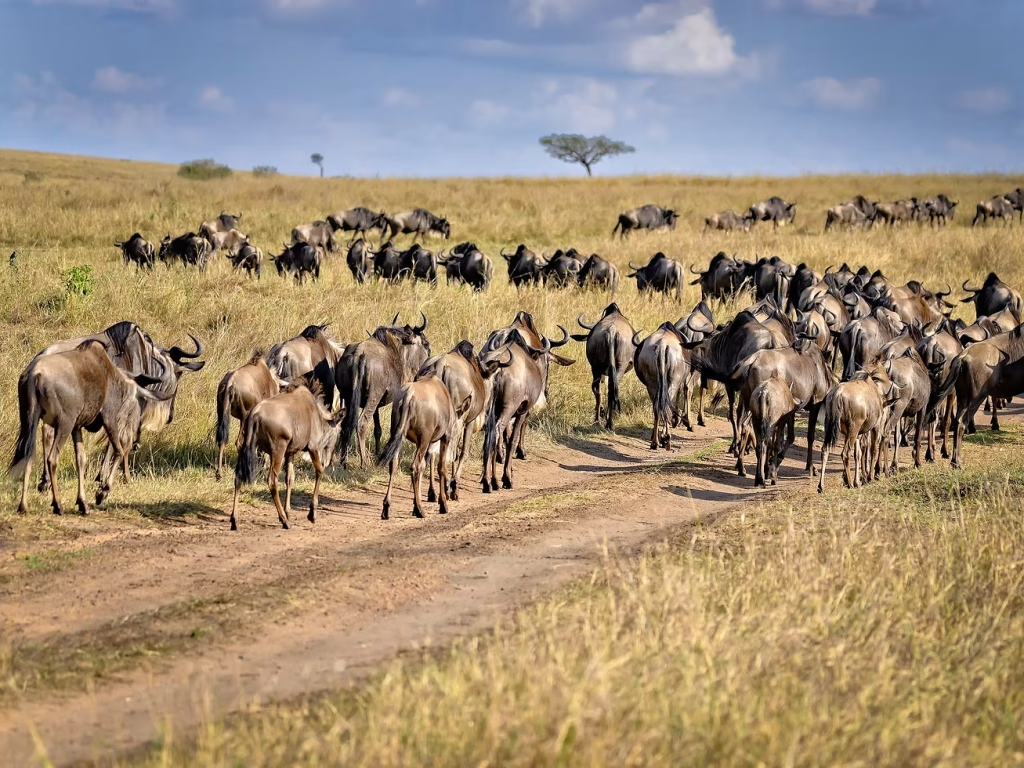
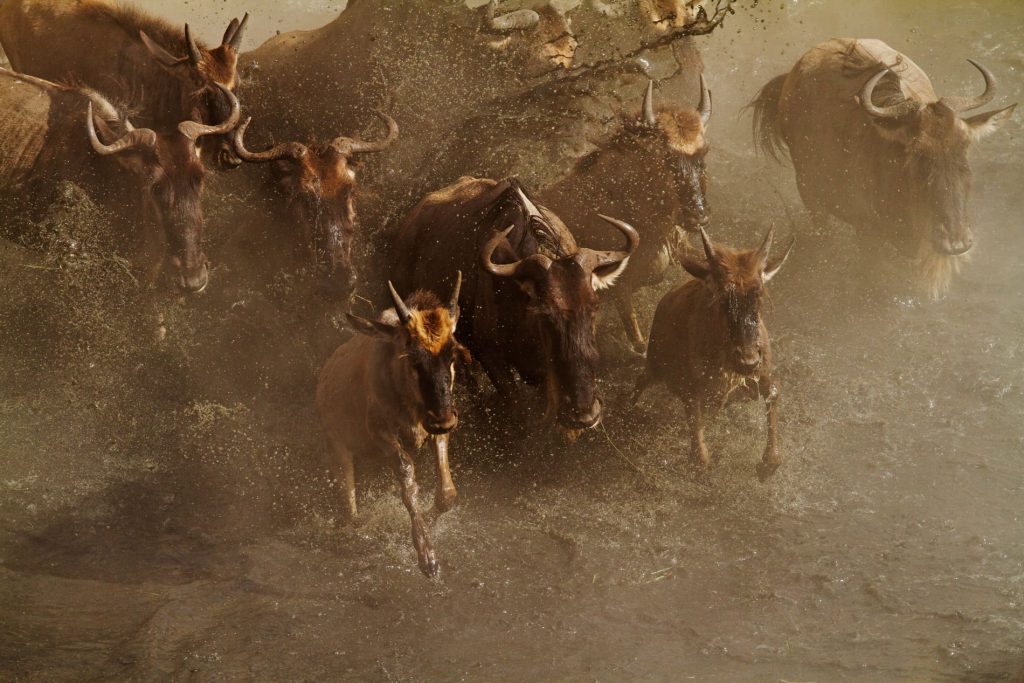
What is the best time of day for wildlife sightings on a Kenyan safari within the Maasai Mara? Renowned for the spectacular great migration safaris, the Maasai Mara offers unparalleled opportunities to witness predators and prey interacting across expansive savannah landscapes. Early mornings, just after sunrise, are particularly productive for spotting lions, cheetahs, and leopards as they emerge from nocturnal resting areas to hunt. Cooler morning temperatures also draw wildebeest and zebra herds out from shaded areas, allowing travelers to experience dramatic river crossings and herd movements in full daylight.
Afternoons bring another peak period as animals prepare for evening grazing and predators increase their activity near watering holes. Soft evening light enhances photography and allows for serene observations of elephants, giraffes, and buffaloes. Safari vehicles are usually positioned strategically to maintain safe distances while maximizing visibility, ensuring that both small groups and private travelers enjoy intimate wildlife encounters.
What Cultural Experiences Are Available?
Authentic Kenya Cultural Safaris can be incorporated into the Maasai Mara experience, with guided visits to Maasai villages timed alongside game drives. Travelers witness traditional beadwork, cattle-herding practices, and cultural ceremonies, creating a rich complement to wildlife observation. Combining early morning drives with mid-morning cultural visits provides a balanced, full-day experience that showcases both natural and human heritage.
How Can Visitors Reach the Maasai Mara?
International travelers typically fly into Nairobi’s Jomo Kenyatta International Airport, then take domestic flights to airstrips serving the Mara conservancies. Alternatively, road transfers provide scenic views of Kenya’s highlands and countryside, offering a gradual introduction to the Maasai Mara ecosystem.
What Should Guests Expect?
Visitors can expect daily guided game drives timed around peak wildlife activity periods. Skilled guides ensure safe encounters while providing ecological insights and tracking tips, making each observation both educational and memorable. Bird enthusiasts also enjoy exceptionalKenya Birding Safaris, as early mornings provide the best opportunity to spot species like lilac-breasted rollers, hornbills, and secretary birds.
How Much Does the Safari Cost?
Luxury lodges and conservancy camps in the Maasai Mara range from USD 600 to USD 1,500 per person per day, depending on accommodation and travel season.
When Is the Best Time to Visit?
While wildlife viewing is excellent year-round, great migration safaris peak from July to October, providing unforgettable spectacles of river crossings and predator-prey interactions.
Why Choose Frena Adventures?
Frena Adventures ensures expertly timed Kenya Best Safari itineraries, helping travelers answer What is the best time of day for wildlife sightings on a Kenyan safari while combining conservation-focused guiding with cultural immersion and luxury accommodations.
Amboseli National Park: When Do Animals Become Most Active During a Kenyan Safari?
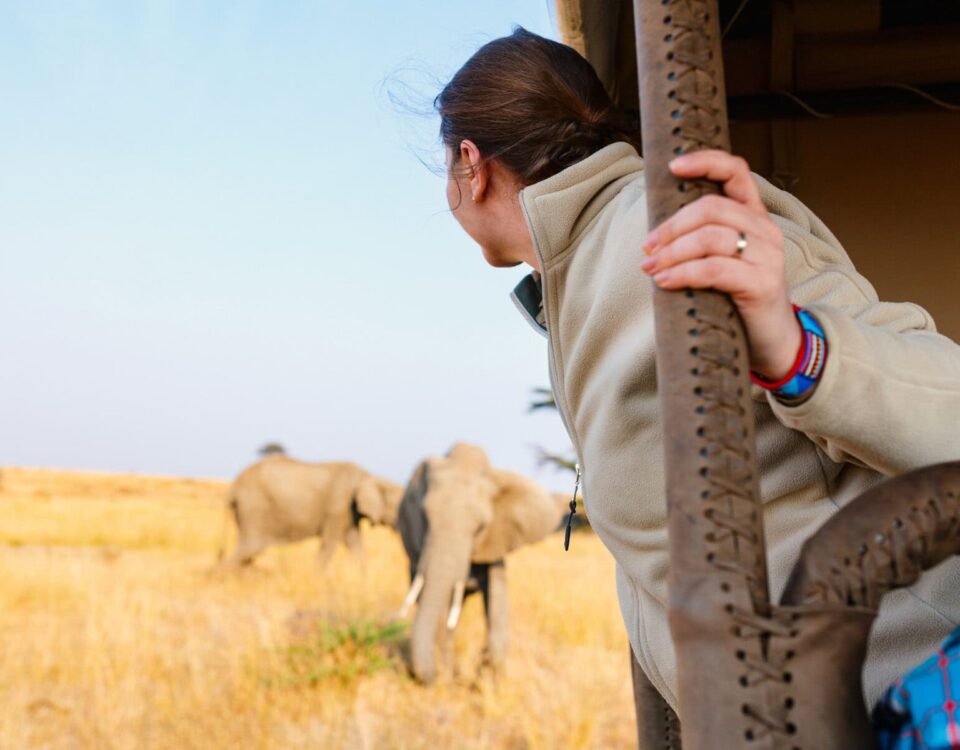
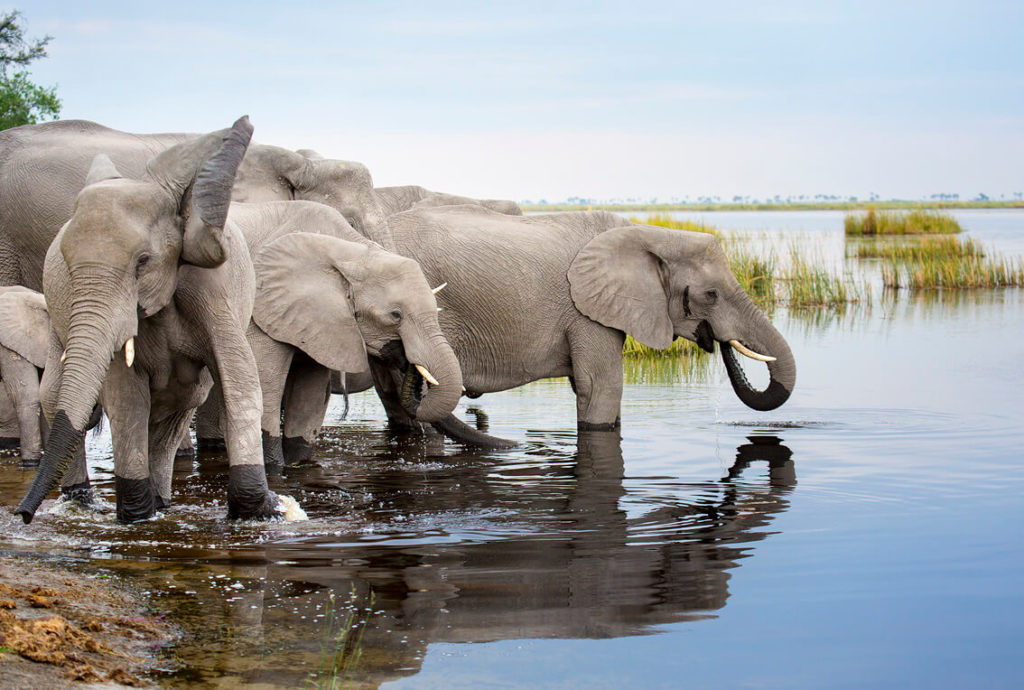
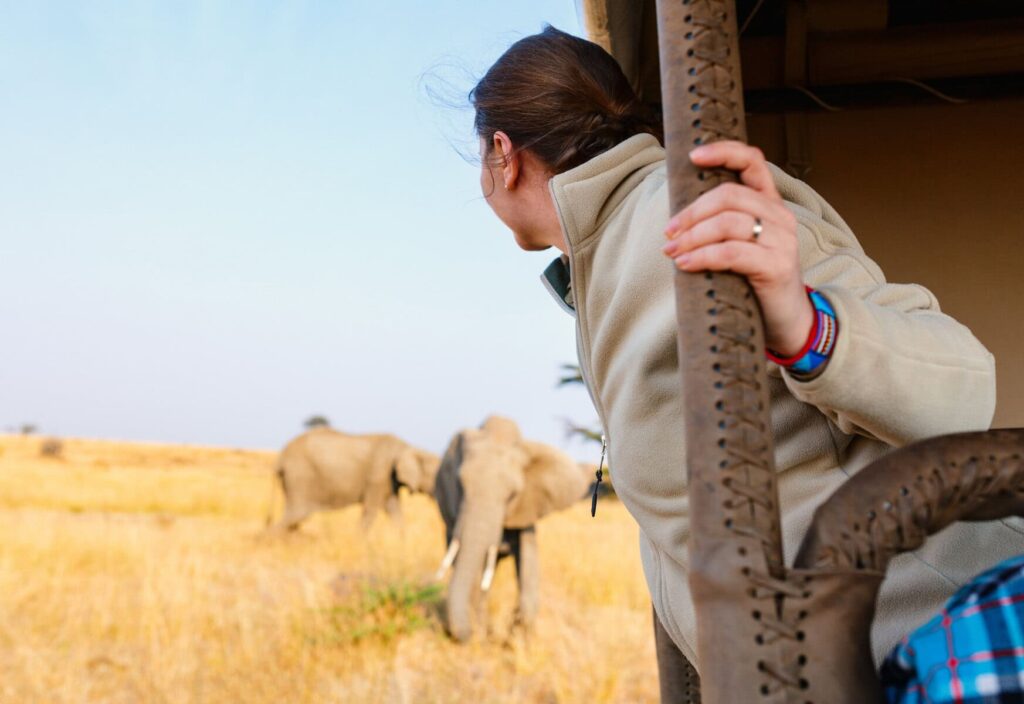
What is the best time of day for wildlife sightings on a Kenyan safari in Amboseli National Park? Famous for its large elephant herds and stunning views of Mount Kilimanjaro, Amboseli offers extraordinary opportunities for observing wildlife during cooler hours of the day. Early mornings reveal elephants foraging across swamps and plains while lions and cheetahs begin hunting. The soft morning light also creates ideal conditions for photography, emphasizing the dramatic silhouette of Africa’s iconic landscapes.
Midday can be quieter as animals retreat to shaded areas, but late afternoons offer another surge of activity, particularly near water sources. Observers often spot elephants drinking, buffaloes grazing, and a variety of bird species such as storks, ibises, and flamingos thriving in wetlands. Guided Kenya Birding Safaris capitalize on these periods to provide rich avian viewing experiences.
What Cultural Experiences Are Available?
Maasai communities surrounding Amboseli offer authentic Kenya Cultural Safaris, allowing travelers to witness traditional homesteads, ceremonial dances, and pastoral techniques. Scheduling visits alongside morning or afternoon drives ensures a seamless blend of wildlife and cultural exploration.
How Can Travelers Reach Amboseli?
Travelers usually depart from Nairobi by road, a scenic journey of approximately four hours, or take domestic flights to nearby airstrips for faster access.
What Should Visitors Expect?
Guests can expect intimate wildlife encounters on open plains, expert guidance from rangers, and educational insights on local ecosystems and conservation challenges. Evenings are perfect for reflecting on daily observations, enjoying luxury camps, and preparing for early morning drives.
How Much Does the Safari Cost?
Lodges and tented camps generally range between USD 400 and USD 1,000 per person per night, depending on luxury level and season.
When Is the Best Time to Visit?
Dry months from June to October and January to February provide optimal visibility and comfortable temperatures for both wildlife and human activity.
Why Choose Frena Adventures?
Frena Adventures tailors each Kenya Best Safari experience, ensuring travelers learn the answer to What is the best time of day for wildlife sightings on a Kenyan safari while enjoying safety, luxury, and cultural enrichment.
Samburu National Reserve: How Does Timing Influence Wildlife Visibility on a Kenyan Safari?
What is the best time of day for wildlife sightings on a Kenyan safari in Samburu? Located in northern Kenya, Samburu National Reserve is known for its endemic species, including Grevy’s zebras, reticulated giraffes, and Somali ostriches. Early mornings provide the highest chances of observing active predators and herbivores moving across dry riverbeds, while soft sunrise light enhances photography opportunities.
Afternoons bring moderate activity near water sources, where animals congregate to drink. Visitors can expect small herds of elephants, gazelles, and impalas, along with frequent sightings of carnivores such as lions and cheetahs. Birdwatching is also exceptional, with early morning drives allowing optimal spotting of raptors, bee-eaters, and hornbills.
What Cultural Experiences Are Available?
Samburu communities provide authentic Kenya Cultural Safaris experiences, including visits to traditional homesteads, craft demonstrations, and insights into sustainable herding practices. Aligning these cultural visits with morning or afternoon game drives enhances the safari experience.
How Can Travelers Reach Samburu?
Guests usually travel from Nairobi via short domestic flights or scenic road transfers through northern Kenya, offering breathtaking views of arid landscapes.
What Should Guests Expect?
Guided game drives timed with peak wildlife activity maximize sightings of unique species and allow intimate observations of behavior, tracks, and ecological interactions.
How Much Does the Safari Cost?
Luxury safari lodges and tented camps in Samburu range between USD 500 and USD 1,200 per person per night, depending on accommodation and included activities.
When Is the Best Time to Visit?
Wildlife activity peaks during dry months from June to October and January to February, providing optimal conditions for viewing endemic species.
Why Choose Frena Adventures?
Frena Adventures ensures every Kenya Best Safari itinerary is expertly timed to answer What is the best time of day for wildlife sightings on a Kenyan safari, combining wildlife expertise, birding opportunities, and cultural immersion for a truly unforgettable experience.
Conclusion: Timing Is Key to a Rewarding Safari
Understanding What is the best time of day for wildlife sightings on a Kenyan safari is essential for maximizing the safari experience. Destinations such as the Maasai Mara, Amboseli, and Samburu National Reserves demonstrate that early mornings and late afternoons provide the richest wildlife activity, complemented by Kenya Birding Safaris, cultural engagements, and luxury accommodations.
Frena Adventures specializes in designing expertly timed Kenya Safaris, offering travelers immersive, safe, and unforgettable experiences while supporting conservation and local communities. Knowledge of wildlife behavior, combined with expert guiding, ensures every guest experiences the true magic of Africa’s wilderness during the ideal times of day.